


Sweet, savory, and spicy Chicken Bulgogi (dak bulgogi) with gochujang, garlic, ginger, sesame, and a quick high-heat sear for perfectly caramelized Korean BBQ edges. Ready in minutes.
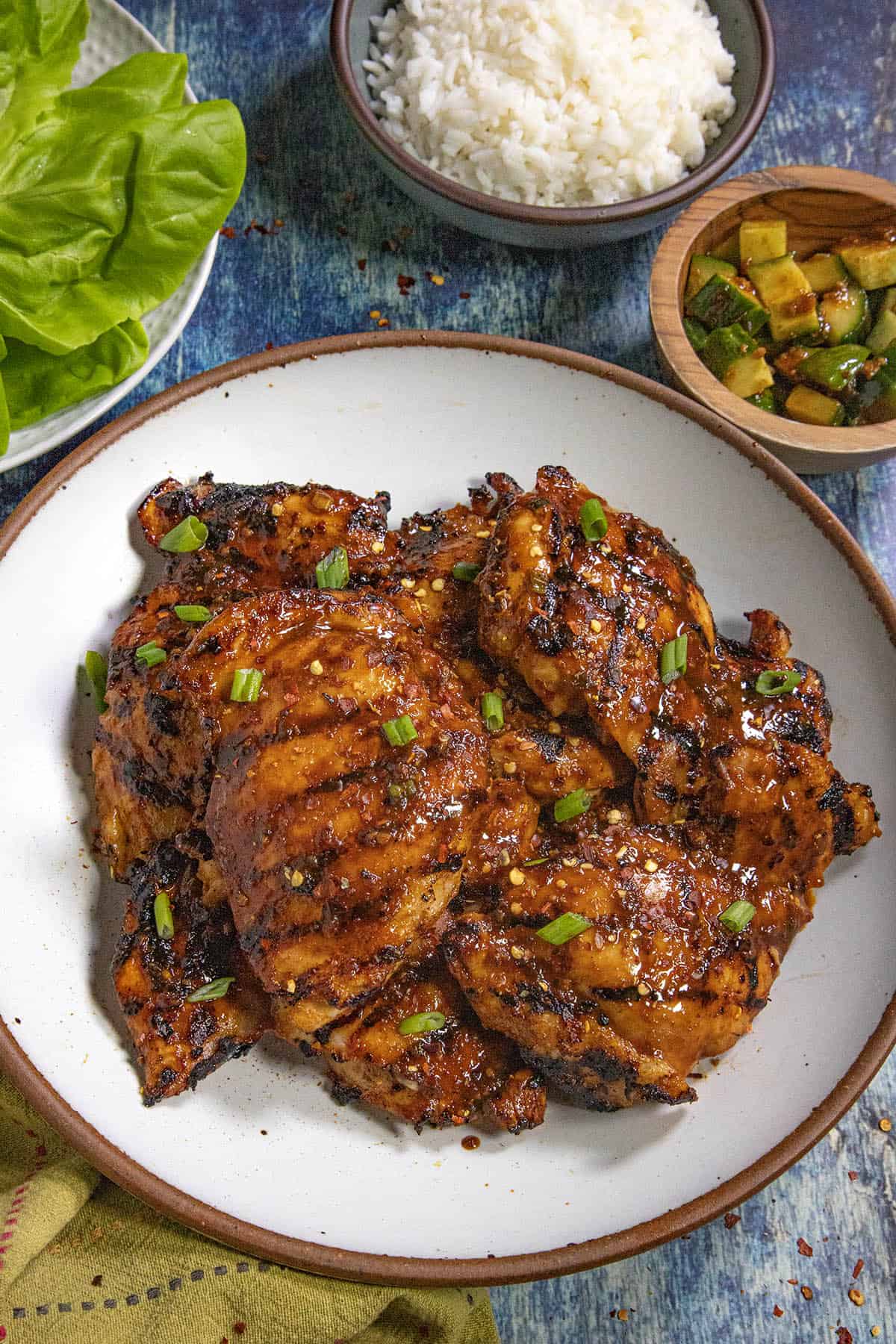
When people hear bulgogi, they usually think beef bulgogi, but dak bulgogi (닭불고기) is the chicken version, and it's perfect for weeknight cooking. Dak means chicken in Korean, and bulgogi translates to "fire meat", referring to the hot, fast cooking that gives this dish its signature caramelized edges.
This version keeps the classic bulgogi flavor balance of sweet, savory, and aromatic, then adds gochujang and gochugaru for a bold, spicy finish. Most chicken bulgogi recipes lean sweet, this one brings the heat too.
Why You'll Love This Recipe
- Big Korean BBQ flavor without needing a grill (though it works great on one).
- Fast cook. High heat and batches gets you caramelized edges in minutes.
- Easy heat control. Adjust gochujang and gochugaru to your comfort level.
- Pear optional for extra tenderness. Works with or without it.
Mike's Testing Notes
I developed this specifically to nail the classic bulgogi flavors (sweet, savory, sesame-forward) while still bringing that Chili Pepper Madness heat we love with gochujang. The key is high-heat cooking in batches so the sugars caramelize instead of steaming, and keeping the gochujang front and center rather than buried. It's worth trying different gochujang brands, as they vary in heat and sweetness quite a bit.
What Is Chicken Bulgogi?
Chicken bulgogi, or dak bulgogi, is Korean BBQ-style chicken marinated then cooked hot and fast for a sweet-savory glaze and nicely charred edges. Bulgogi literally means "fire meat" in Korean, which refers to thinly sliced, marinated beef cooked on a grill. Dak bulgogi swaps in chicken for a lighter, faster-cooking weeknight version that's just as satisfying.
Traditional dak bulgogi uses a sweet soy-sesame marinade. This version adds gochujang for a bolder, spicier finish.
Key Ingredients
(Full measurements in the recipe card.)
- Gochujang. Fermented Korean chili paste that adds heat, depth, and a little sweetness to many Korean recipes. The star of this recipe.
- Soy sauce, brown sugar/honey. For salty-sweet flavor that plays nicely against the heat and helps achieve the caramelization.
- Mirin (or rice wine). Rounds out the marinade.
- Rice vinegar (optional). A touch of brightness and cuts through the richer flavors.
- Grated onion. Adds more earthy sweetness, and it helps the marinade stick to the chicken.
- Sesame oil, scallions. You'll love the sesame flavor and the fresh finish.
- Asian pear (optional). Classic tenderizer in Korean BBQ, though the recipe works nicely without it. Keep the marinating time in check if you use it (more on that in Tips).
- Gochugaru (optional). Korean chili flakes for extra heat if you want it, and adds a bolder red pepper flavor. Sub in regular chili flakes if needed.
How to Make Chicken Bulgogi
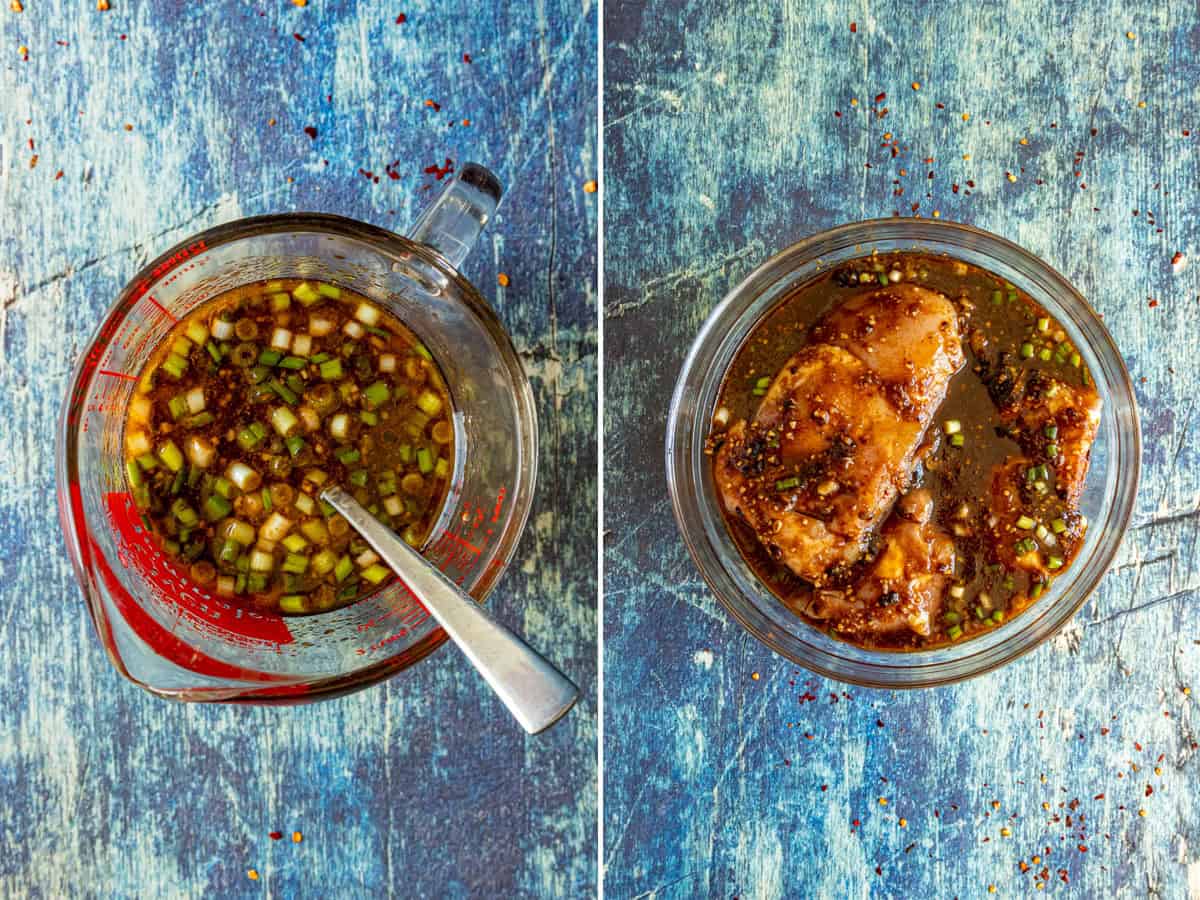
Make the marinade. Whisk together soy sauce, gochujang, brown sugar (or honey), mirin, rice vinegar (if using), sesame oil, garlic, ginger, grated onion, and scallions. Stir in gochugaru and grated pear if using.
Marinate the chicken. Add chicken to the bowl, toss to coat well, cover, and refrigerate at least 30 minutes (4 hours is better - overnight is great, but see the pear note in Tips).
Cook. High heat, batches, no crowding. Full details in the recipe card below.
Optional sauce reduction. Pour the leftover marinade into a small saucepan and simmer 3-5 minutes, stirring often, until slightly thickened. Spoon or brush over the chicken before serving.
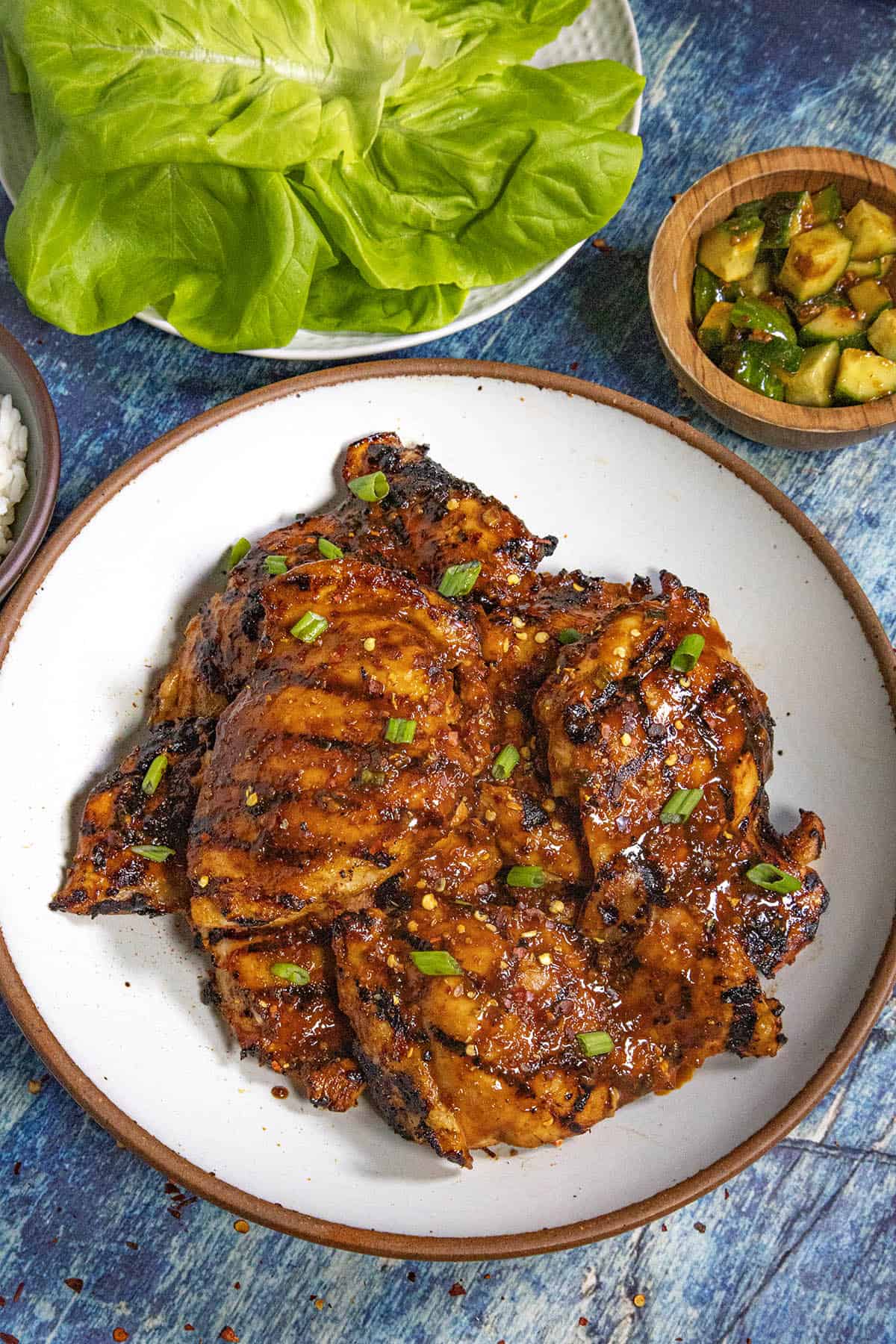
Cooking Methods
Skillet (Easy for Quick Weeknight Meals)
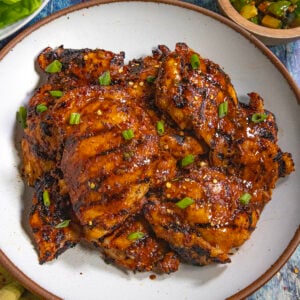
Heat a large skillet or cast iron pan over medium-high heat with a tablespoon of neutral cooking oil. Lift chicken from the marinade (let excess drip off but don't wipe it clean) and cook in batches, 4 to 5 minutes per side, until caramelized and cooked through (165°F internal).
Broiler (For Best Char)
The broiler is the perfect option if you want charred, slightly smoky edges without firing up the grill. Arrange chicken in a single layer on a foil-lined sheet pan, broil 4 to 6 inches from the heat for 6 to 8 minutes per side, until caramelized and cooked through. Watch the sugars in the marinade, as they can go from caramelized to burned fast. You can also finish skillet-cooked chicken under the broiler for 1 to 2 minutes for extra char.
Grill
Cook over medium-high heat. Watch for flare-ups from the sugars. If using thighs whole on the grill, marinate a bit longer than for the skillet method.
Recipe Tips & Notes
- Pound or flatten the chicken first. For even cooking, especially important with thicker thigh pieces, pound to a roughly even thickness before marinating. Use a meat mallet or bottom of a small saucepan.
- Don't overcrowd the pan. Crowding causes steaming, not searing. Cook in batches for sticky, lightly charred bulgogi edges.
- Watch the sugars. This marinade caramelizes quickly. Medium-high heat works well. Ease back on the heat if you see scorching/burnt edges before the chicken is cooked through.
- Pear tip (texture and timing). Asian pear contains enzymes that tenderize the meat, which is great, but too long and the chicken can get soft and slightly mushy. For the best texture, use pear for up to 4 hours total, or add it during the last hour if marinating overnight. Don't marinate more than 12 hours total with pear in the mix.
How to Spice It Up
This is where Chili Pepper Madness comes in. The base recipe is already on the spicy side, but here is how to dial up the heat even further:
- Bump gochujang from 2 tablespoons to 3 for a noticeably hotter batch.
- Add 1 to 2 teaspoons gochugaru for more heat and a richer chile color.
- Finish with fresh sliced hot peppers over the top, like serrano, Thai bird, or habanero if you want to go full heat mode.
- A drizzle of spicy homemade chili crisp over the finished dish right before serving works great.
Serving Ideas
Here's how I like to serve chicken bulgogi at home:
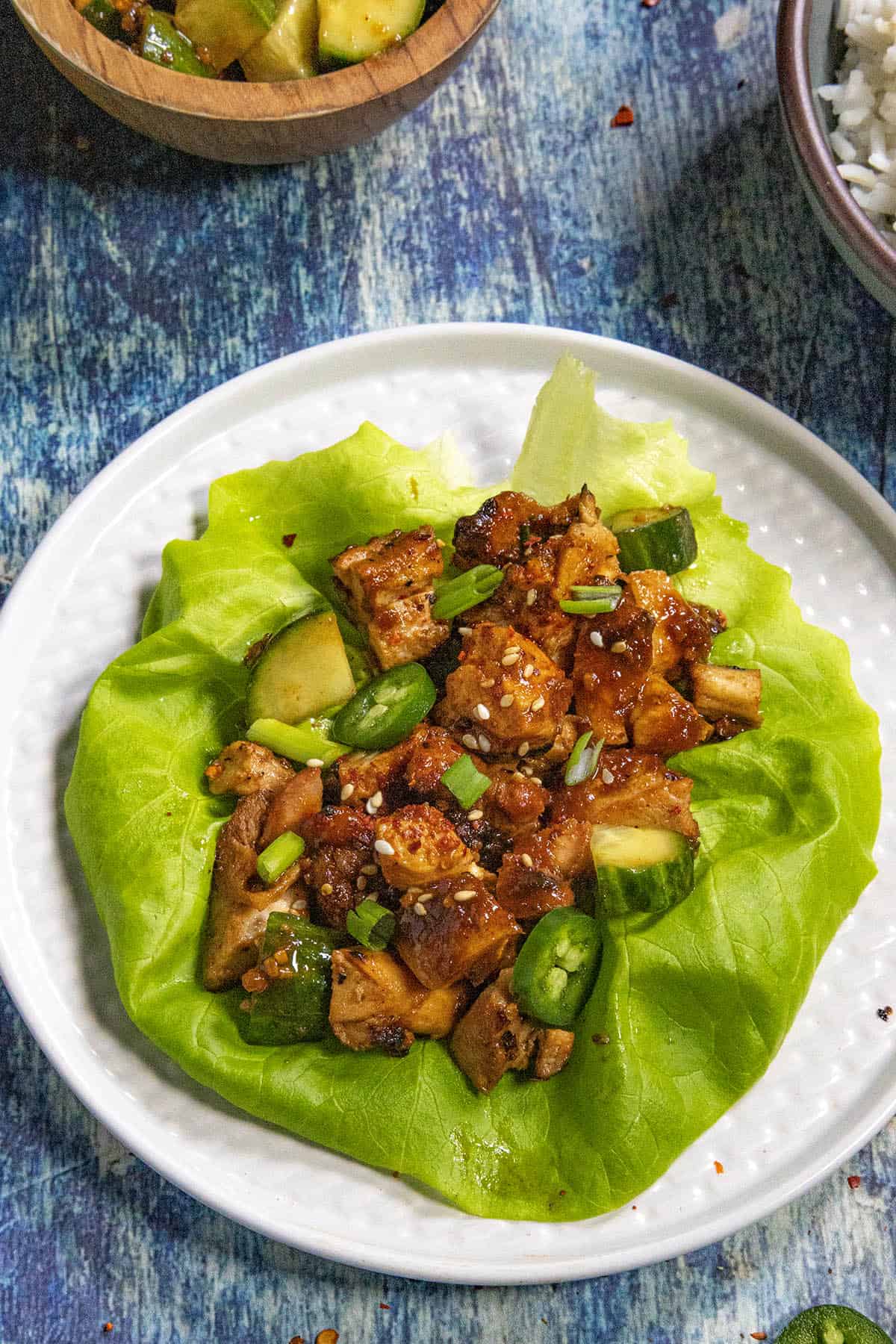
- Rice bowls with sliced cucumbers and a sprinkle of sesame seeds
- Lettuce wraps - I like butter lettuce or romaine, with extra scallions and Asian cucumber salad or quick chili-cucumber chow chow.
- Try Perilla leaf wraps for a more traditional presentation. They have an herbal, slightly anise flavor that pairs really well with the spicy gochujang chicken.
- Great Extras. Homemade kimchi for topping, pickled carrots, or kimchi fried rice to make it a fuller meal.
Storage
- Fridge: Store leftovers in an airtight container for up to 4 days.
- Reheat: Skillet over medium heat with a splash of water to loosen the glaze, or microwave in short bursts.
- Freezer: Freeze cooked bulgogi chicken for up to 3 months. Thaw overnight in the fridge before reheating.
That's it, my friends. I hope you enjoy your new favorite spicy chicken bulgogi recipe. Let me know if you make it. I'd love to hear how it turned out for you, and if you decided to spice it up.
More Korean-Inspired Recipes to Try
- Try my spicy gochujang chicken recipe for a spicy, extra saucy version.
- These gochujang noodles are the spicy Korean noodles that always satisfy that spicy food craving.
- My buldak recipe (Korean fire chicken) delivers the ultimate gochujang experience.
- See all of my spicy Korean recipes.
Did you make this recipe? I hope you’ll leave a comment with some STARS. It is super helpful to my readers and helps people find me! Also, please share it on social media. Don’t forget to tag us at #ChiliPepperMadness. Thanks! — Mike H.
Chicken Bulgogi Recipe (Dak Bulgogi)
Ingredients
For the Chicken
- 2 pounds boneless skinless chicken thighs (or thin-sliced chicken breast)
- 1 tablespoon cooking oil neutral oil preferred
For the Bulgogi Marinade
- 1/3 cup soy sauce
- 2-3 tablespoons gochujang
- 1-2 tablespoons brown sugar or honey
- 2 tablespoons mirin or rice wine
- 2 teaspoons rice vinegar optional, for bright acidic pop
- 1 tablespoon sesame oil
- 5-6 cloves garlic minced
- 1 tablespoon grated ginger or 1 teaspoon ginger powder
- 1/4 cup grated onion or very finely minced
- 3 scallions sliced (whites and greens)
- 1-2 teaspoons gochugaru optional, for extra heat
Optional Tenderizer
- 2-3 tablespoons grated Asian pear or pear purée
For Serving (Optional)
- Cooked white rice
- Lettuce leaves or perilla leaves for wraps
- Sesame seeds
- Extra sliced scallions
- Sliced cucumbers or quick-pickled cucumbers
- Kimchi
Instructions
- Make the marinade. In a large bowl, whisk together soy sauce, gochujang, brown sugar (or honey), mirin, rice vinegar (if using), sesame oil, garlic, ginger, grated onion, and scallions. Stir in gochugaru (if using) and grated pear (if using).
- Prep the chicken. If using thighs, pound to an even thickness with the heel of your hand or the bottom of a small saucepan. This ensures even cooking and better contact with the marinade.
- Marinate. Add chicken to the bowl, toss until well coated. Cover and refrigerate at least 30 minutes (4 hours is better; overnight is great. If using pear, add it during the last hour only and don't exceed 12 hours total).
- Cook/Skillet method. Heat a large skillet or cast iron pan over medium-high heat and add the cooking oil. Lift chicken from the marinade, letting excess drip off. Cook in batches (don't overcrowd) for 4 to 5 minutes per side, until caramelized and cooked through (165°F internal).
- Optional: reduce the sauce. Pour leftover marinade into a small saucepan and simmer 3 to 5 minutes until slightly thickened, stirring often. Spoon over cooked chicken.
- Serve. Serve over rice or in lettuce or perilla leaves. Top with sesame seeds, scallions, and cucumbers. Add kimchi on the side if you've got it.
Notes
- Broiler method: Arrange chicken in a single layer on a foil-lined sheet pan. Broil 4 to 6 inches from the heat for 6 to 8 minutes per side until caramelized and cooked through. Watch closely — the sugars move fast.
- Breast option: Slice thin (¼-inch) so it cooks fast without drying out.
- Heat control: Gochujang varies a lot by brand — start at 2 tablespoons for your first batch.
- Extra char: Finish skillet-cooked chicken under the broiler for 1 to 2 minutes.
- Grill: Works great. Cook over medium-high and watch for flare-ups from the sugars.
- Pear tip: Use for up to 4 hours, or add during the last hour of an overnight marinade. Don't exceed 12 hours total with pear in the mix.
Nutrition Information
FAQs
Is chicken bulgogi always spicy?
Not always. Many versions are sweet-savory without much heat. This one uses gochujang as a core ingredient, so it's on the spicier side, but you can pull back the gochujang and skip the gochugaru for a milder batch.
Can I use chicken breast?
Yes. Slice it thin (about ¼ inch) so it cooks fast and stays juicy. It can dry out more easily than thighs, so don't overcook it.
Can I cook it in the air fryer?
Yes, air fry at 400°F for 10 to 12 minutes, flipping halfway through. You won't get quite the same sear as the skillet or broiler, but it's fast and convenient.
Can I make it ahead?
Yes. Mix the marinade ahead and refrigerate it separately for a few days. If marinating overnight, add the pear only in the last hour. Don't marinate more than 12 hours with pear.
What's the difference between chicken bulgogi and dak-galbi?
Chicken (Dak) bulgogi is marinated chicken cooked hot and fast - usually skillet, broiler, or grill - for a caramelized glaze. Dak-galbi is a spicy Korean stir-fry that includes vegetables and gochujang sauce and is closer to a saucy stir-fry than a BBQ-style dish.
Tina says
Sooooooo good! Super juicy and flavor explosion! I made this with your Spicy Ramen Noodles. Permanently added to the recipe box. Thank you!
Mike Hultquist says
Another winner!! Yes! Thanks so much, Tina. Your feedback is super helpful to me and others! I appreciate it. Glad you enjoyed it!
Sue Moran says
I can't believe it, but I've got everything in my kitchen to make this! The flavors sound amazing.
Mike Hultquist says
Yes!! So worth it, Sue! I think you're going to love this one. Enjoy!!