



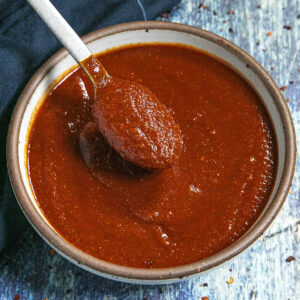
This homemade taco sauce recipe gives you everything the bottled stuff promises but never delivers - tangy, bold, smoky, and as spicy as you want it. I'm Mike Hultquist from Chili Pepper Madness, and I've been making hot sauces and spicy condiments for years. This sauce is one of my all-time favorites. It comes together in under 20 minutes from pure pantry staples, it beats any store-bought version hands down, and it's wildly customizable.
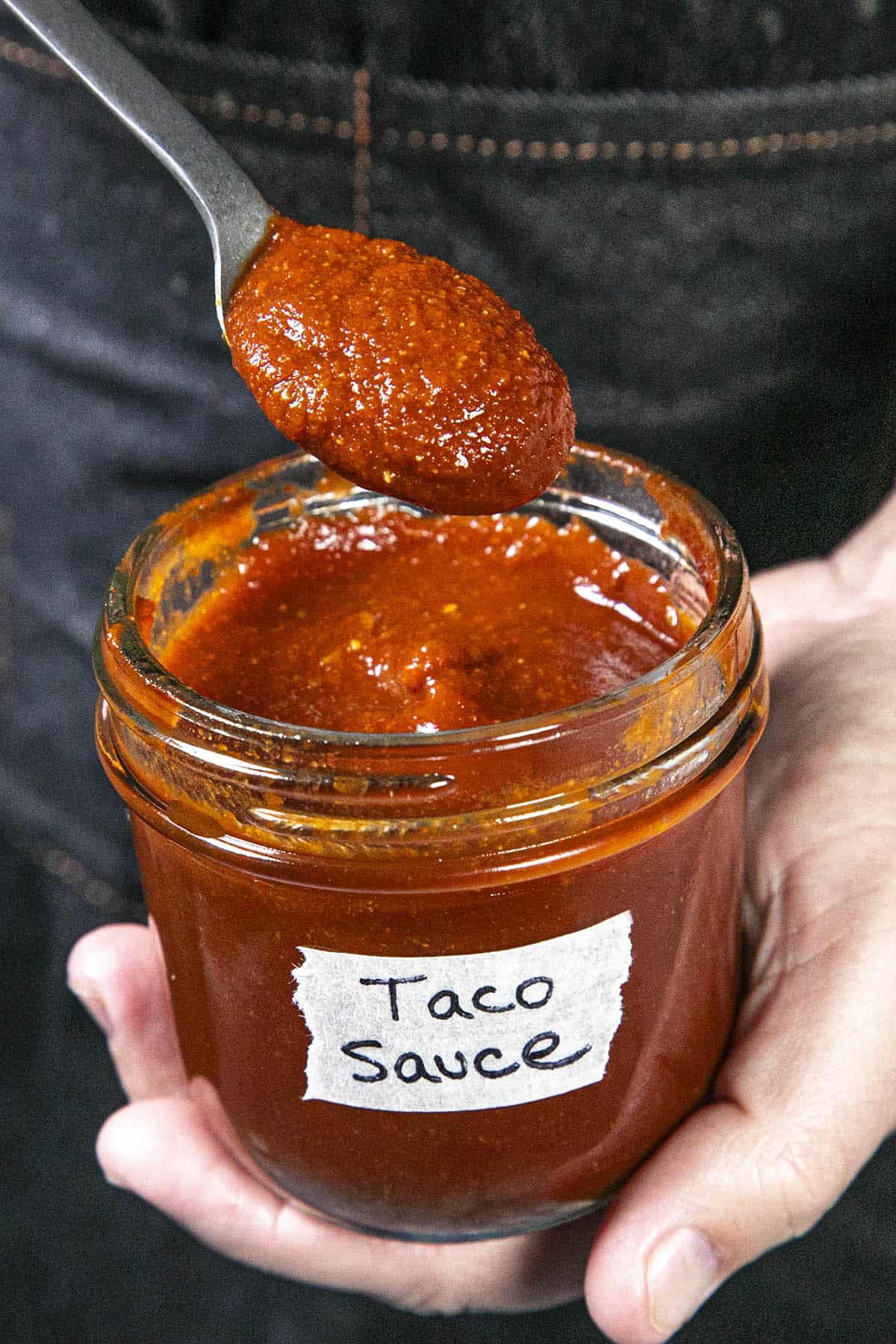
Think of that tangy, slightly addictive Taco Bell taco sauce. Now imagine it fresher, spicier, with zero preservatives and full control over the heat level. That's exactly what this is. It works on tacos, burritos, nachos, quesadillas, and honestly anything that needs a kick of Tex-Mex flavor.
Let me show you how to make it.
Why You'll Love This Taco Sauce
- Ready in 20 minutes - simmer, done.
- Pantry ingredients only - no grocery run needed.
- Fully customizable heat - mild, medium, or five-alarm.
- No preservatives or weird additives - just real spices.
- Better flavor the next day - the spices keep blooming in the fridge.
What is Taco Sauce?
Taco sauce is a smooth, tangy, tomato-based condiment seasoned with chili powder, cumin, garlic, and vinegar. It's thinner than salsa and less chunky, made to drizzle over tacos and Tex-Mex dishes. The most famous version is the iconic Taco Bell sauce packets. This homemade recipe nails that flavor profile while letting you dial up the heat.
Taco Sauce vs. Salsa: What's the Difference?
Salsa is chunky, fresh, and served cold - tomatoes, onion, cilantro, jalapeño.
Taco sauce is smooth, cooked, and saucier. It's made from tomato purée and dried spices simmered into a pourable, vibrantly flavored condiment. Think of salsa as a topping and taco sauce as a flavor layer.
Taco Sauce Ingredients
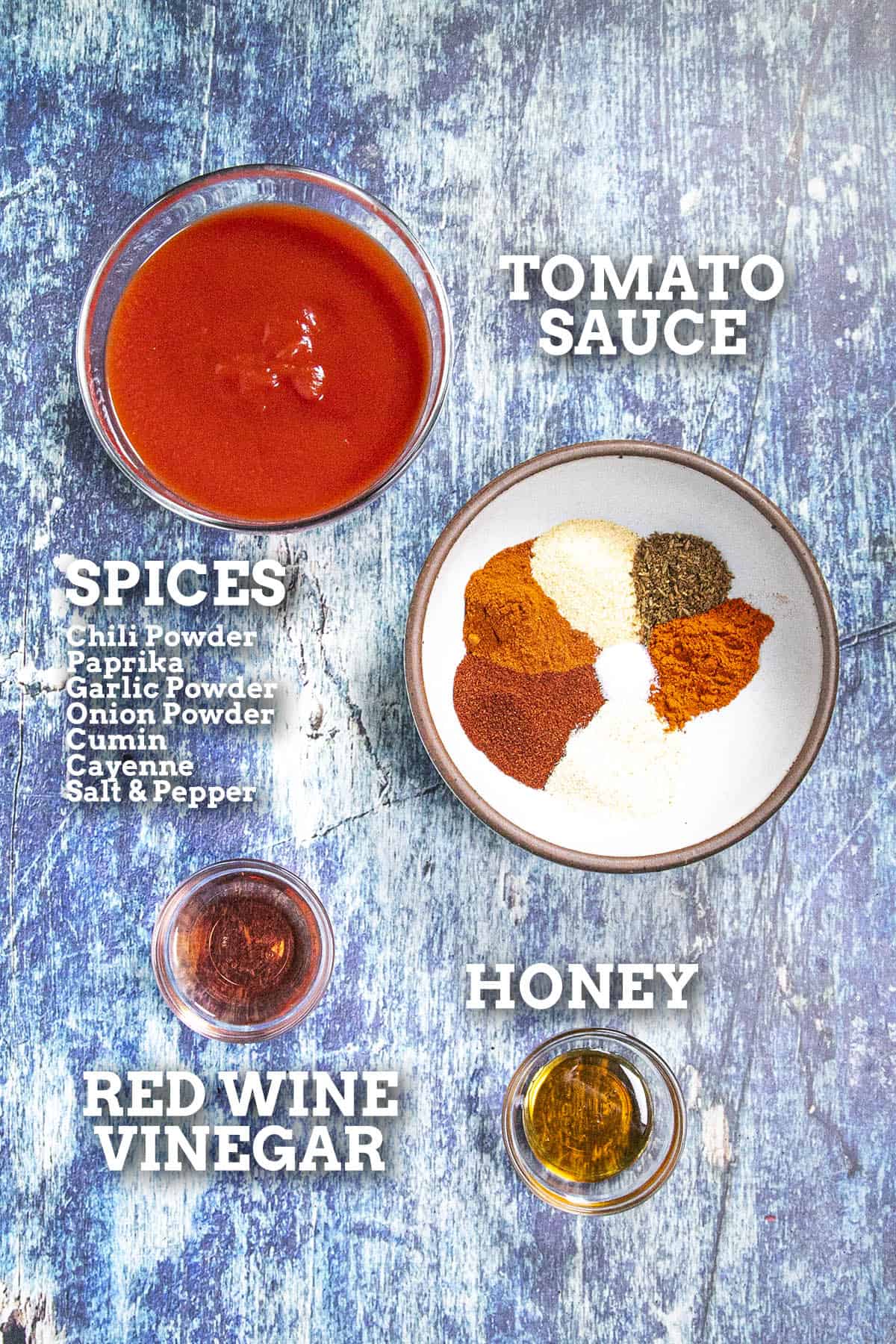
Here's everything you need. Check your pantry, you probably have it all:
The full ingredients list with measurements is listed in the printable recipe card at the bottom of the post.
- Tomato sauce (8 oz can). Use plain, unseasoned tomato sauce or passata. Don't use tomato paste (too thick and concentrated) or crushed tomatoes (too chunky).
- Water (⅓ cup). Thins the sauce to the right consistency for drizzling. Add more if you prefer a thinner sauce.
- Red wine vinegar (1 tbsp). Add the perfect tangy punch. White vinegar or apple cider vinegar both work. ACV adds a slightly sweeter note.
- Chili powder (2 tsp). The backbone of the flavor. Use a good-quality chili powder blend.
- Paprika (1 tsp). Adds color and mild pepper depth. Smoked paprika gives a fantastic smoky dimension.
- Garlic powder (1 tsp).
- Onion powder (1 tsp)
- Cumin (½ tsp)
- Cayenne pepper (½ tsp). This is where the heat comes from. Reduce to ¼ tsp for mild, increase to 1 tsp for serious heat.
- Honey (1 tsp, optional). Balances the acidity and adds a subtle sweetness. Highly recommended.
- Salt and black pepper. To taste at the end.
You can also use homemade taco seasoning as a seasoning shortcut.
How to Make Homemade Taco Sauce
Making this taco sauce from scratch takes about 20 minutes total. Here's the method:
- Combine all ingredients in a small saucepan - tomato sauce, water, vinegar, all the spices, and honey if using. Stir to combine.
- Bring to a gentle boil over medium heat, stirring occasionally.
- Reduce heat to low and simmer uncovered for 15-20 minutes, stirring every few minutes. The sauce will thicken slightly and the flavors will deepen.
- Taste and adjust. More cayenne for heat, more vinegar for tang, a pinch more salt to finish.
- Cool slightly, then transfer to a jar or squeeze bottle. Refrigerate for at least a few hours before serving. It tastes even better the next day.
That's it. Done. Your homemade taco sauce is ready to wreck tacos.
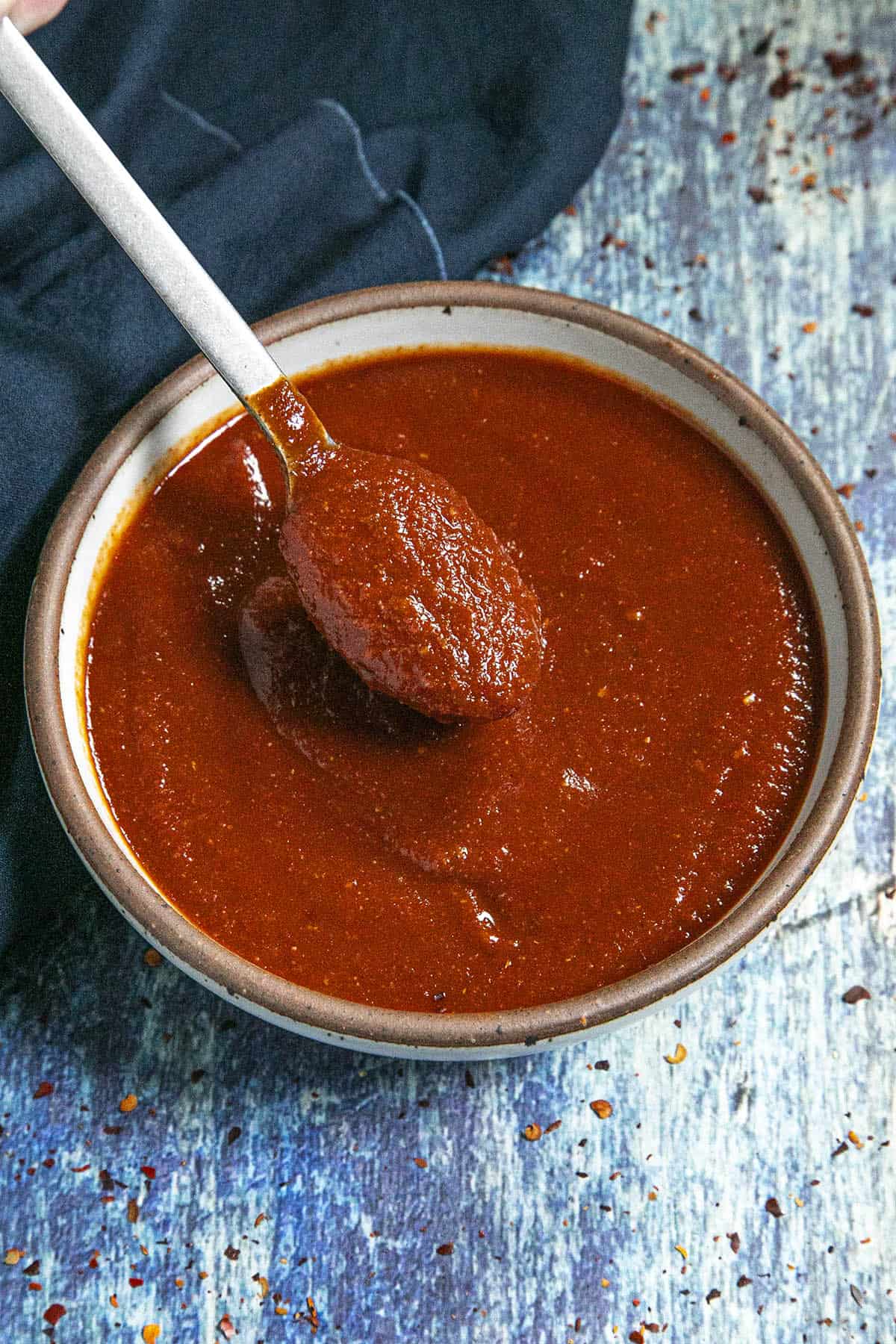
How to Make Spicy Taco Sauce
This is where ChiliPepperMadness gets to shine. Here are my favorite ways to turn up the heat:
- More cayenne: The simplest way. Double it (1 tsp) for a real kick.
- Chipotle in adobo: Blend in 1-2 chipotle peppers for deep, smoky heat. This is my personal favorite variation.
- Dried chili powder blends: Swap standard chili powder for ancho, guajillo, or New Mexico chili powder for more complex, fruity heat.
- Splash of your favorite hot sauce: Stir in a teaspoon of a Louisiana-style hot sauce or a Mexican hot sauce at the end.
- Fresh chili pepper puree: Blend in a roasted serrano or jalapeño for a fresher, more potent heat.
Recipe Tips & Notes
- Rest it overnight. The single biggest flavor upgrade. Make it the day before and the spices fully bloom. The next-day sauce is noticeably better.
- Don't rush the simmer. 15-20 minutes is the minimum. The heat concentrates the flavors and mellows the raw spice edge.
- Smoked paprika swap. Replace regular paprika with smoked for a whole different, and incredible, flavor dimension.
- Lime juice finish. A squeeze of fresh lime at the end brightens everything up and makes it taste fresher.
- Apple cider vinegar. Swap in for a slightly fruitier, sweeter tang than red wine vinegar.
Ways to Use Taco Sauce
The obvious answer is tacos, but this sauce goes way beyond:
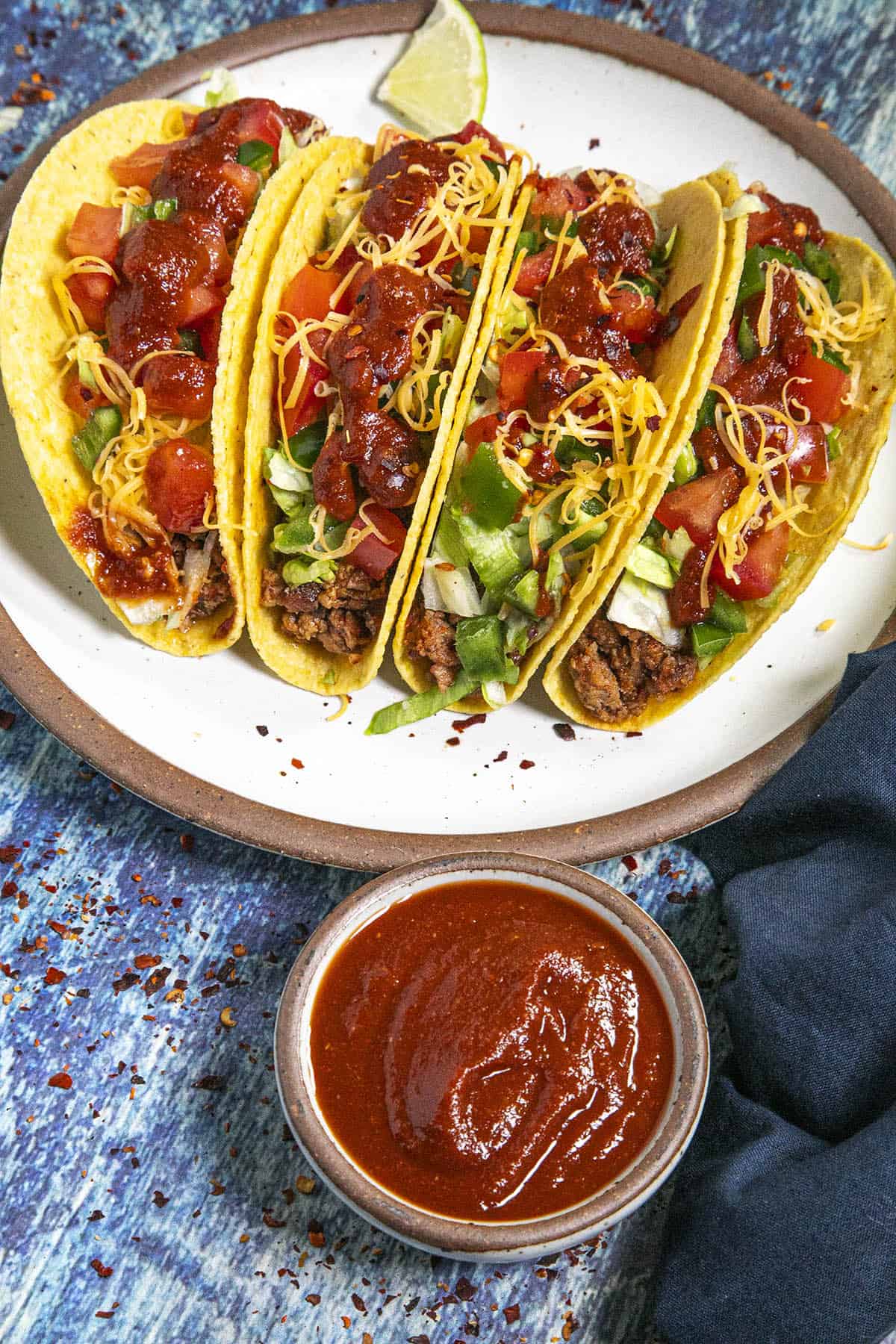
- Drizzle over beef tacos, chicken tacos, or fish tacos
- Spoon over burritos and quesadillas
- Use as a dip for nachos and tortilla chips
- Spread on a Mexican Pizza (like the Taco Bell version)
- Stir into refried beans or Mexican rice for instant flavor
- Use in place of enchilada sauce in a pinch
- Add to taco bowls or burrito bowls
- Dip fries, sweet potato fries, or onion rings
- Use as a burger sauce for a Tex-Mex twist
- Thin it out with more water to use as a taco soup base
There are many ways to use this sauce, even as a general sauce for dipping fries, or spreading over sandwiches.
Storage & Make Ahead
- Refrigerator: Up to 5 days in a sealed jar. Shake or stir before serving.
- Freezer: Up to 3 months. Freeze in ice cube trays for easy single-serve portions. Pop one out and thaw in minutes.
- Make-ahead tip: This sauce is actually better after a night in the fridge. Make it 24 hours ahead for maximum flavor.
More Spicy Sauce Recipes to Try
- Creamy Fish Taco Sauce - rich and tangy for fish tacos
- Enchilada Sauce - similar flavor profile, great for casseroles
- Chipotle Sauce - smoky, creamy, and incredibly versatile
- Adobo Sauce - deep, complex chile flavor
- Chamoy Sauce - sweet, tangy, spicy Mexican condiment
If you make this taco sauce, I'd love to hear what you think! Drop a comment below and leave a star rating - it helps other readers find this recipe. Thanks! - Mike H.
Homemade Taco Sauce Recipe
Ingredients
- 1 can 8 ounces tomato sauce
- 1/3 cup water or more for thinner sauce
- 1 tablespoon red wine vinegar you can use white vinegar
- 2 teaspoons chili powder
- 1 teaspoon paprika use hot or smoked paprika
- 1 teaspoon garlic powder
- 1 teaspoon onion powder
- 1 teaspoon honey optional
- 1/2 teaspoon ground cumin
- 1/2 teaspoon cayenne pepper
- Salt and black pepper to taste
Instructions
- Stir all of the ingredients together in a saucepan.
- Bring to a boil, then reduce the heat and simmer gently for 15-20 minutes to let the flavors develop.
- Taste and adjust.
- Store in the refrigerator in sealed container. The flavor is better after it sits for a day.
Video
Notes
Nutrition Information
FAQs
What does taco sauce taste like?
Taco sauce is tangy, mildly spicy, and savory with a smooth tomato base. It's thinner and more sauce-like than salsa. Good taco sauce has a bright vinegar bite balanced by warm chili spices and a hint of sweetness.
What is in taco sauce?
Classic taco sauce is made from tomato sauce (or passata), vinegar, and a blend of dried spices, including chili powder, paprika, garlic powder, onion powder, cumin, and cayenne. Many store-bought versions add preservatives and sugar. This homemade version skips both and tastes much better.
Is taco sauce the same as hot sauce?
No. Hot sauce is thinner, more vinegar-forward, and focused purely on heat - think Tabasco or Cholula. Taco sauce is thicker, tomato-based, and more complex in flavor, designed to complement taco fillings rather than just add heat.
How long does homemade taco sauce last?
Stored in a sealed container in the refrigerator, homemade taco sauce keeps for up to 5 days. You can also freeze it for up to 3 months. I like freezing in ice cube trays so I can thaw exactly as much as I need.
Can I make taco sauce from scratch without tomato sauce?
Yes, blend a can of whole peeled tomatoes or fire-roasted tomatoes and strain for a chunkier, fresher base. The flavor will be slightly brighter and less smooth. Tomato paste thinned with water also works in a pinch, though the flavor is more concentrated and less balanced.
NOTE: This recipe was updated on 3/21/26 to include new information and video. It was originally published on 1/10/24.
Andrew Martorana says
Excellent!!!
Mike Hultquist says
Thanks, Andrew! So good!
Nancy says
My favorite sauce, Tacobell mild sauce. I'm going to make it this afternoon. I'll have a taco salad for dinner tomorrow an a bean burrito for dinner this evening. Thanks!
Mike Hultquist says
Perfection!!! Thanks so much, Nancy! Glad you like it!
Jenny Durling says
I make all sorts of your hot sauces. The fermented ones are really good and I always have an abundance of garden peppers during the summer. That said, taco bell hot sauce has a flavor that I love but have never been able to replicate. Even with all the homemade sauce I will still buy a bottle of the commercial stuff! Does this really taste like the taco bell version? The mild one has a unique flavor that I would love to be able to make at home. The hotter version doesn't taste like the same sauce at all.
Mike Hultquist says
It's definitely similar in style, Jenny, I'd say more like the milder. It's hard to get exact, as I don't have their formula and they have all sorts of other mystery "add ins", like preservatives and such. You can easily play with ratio with this recipe, though, to get it where you want it.
Jenny Durling says
I've always thought it might be a particular chili pepper that gives their unique flavor. I'll have to try your recipe and see if it's close at all. Do you have a version of this recipe using fresh peppers?
Mike Hultquist says
Let me know. I have many other sauce recipes here using fresh and/or dried peppers, but they have different flavor profiles.