


This Chinese hot mustard takes just 5 minutes to mix, with one simple technique for that sharp, sinus-clearing takeout burn.
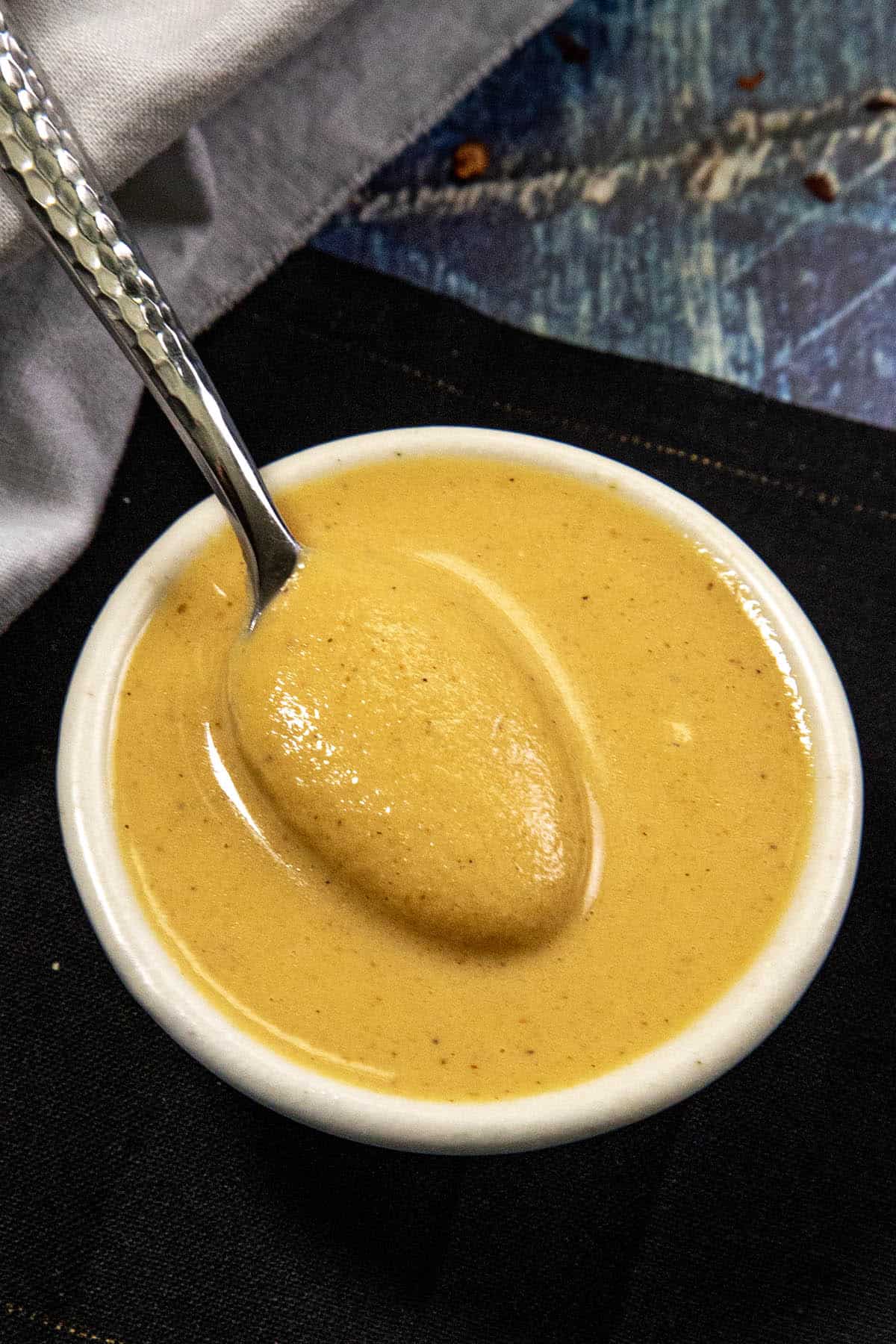
Chinese hot mustard is the spicy mustard you get with takeout that can seriously clear your sinuses. You usually find them dumped in the bag in little packets. Did you know that you can make a better version at home in five minutes with only three ingredients? Absolutely. Plus, I have one simple detail that helps you get maximum burn.
The key is this: cold water. Recipes waver between hot, warm, and cold, so I tested them all in my kitchen, and the cold water batch was dramatically more pungent with a much sharper burn in the nose, and an even longer finish.
I've been making mustard from scratch for many years at Chili Pepper Madness, from Hatch chile mustard to spicy whole grain mustard, and this is an aggressive one. It's a different kind of heat, pure pungency from mustard alone, and this is why I love it.
Patty is a huge spicy mustard fan, and she gave it a big thumbs up, so you know it's going to be good.
Let me show you how to make it.
Why Cold Water Makes Hot Mustard Hot
Here's the science in a nutshell. Brown mustard seed contains a compound called sinigrin along with an enzyme called myrosinase. Once the mustard is ground and mixed with water, the enzyme gets to work, breaking down sinigrin into allyl isothiocyanate, the volatile compound responsible for that intense, nose-clearing burn. It's also one of the pungent compounds found in horseradish and wasabi.
Water temperature is a factor. Hot water can reduce or deactivate myrosinase, limiting the reaction that creates mustard's pungency. Cold water avoids that problem. In my own side-by-side testing, ice-cold water also produced a sharper, more pungent mustard than either warm or hot water, so that's what I recommend here. Let the mustard rest for 10 to 15 minutes to give the pungency time to develop.
Vinegar is a factor as well. Acid can interfere with the reaction that makes mustard pungent, so adding it right away can give you a milder mustard. For maximum heat, mix the mustard powder with water first, let the heat develop, then stir in the vinegar. At that point, the vinegar adds tang, mellows the sharpness slightly, and helps set the flavor.
For hot mustard, timing really does make a difference.
Ingredients You'll Need
The full list with measurements is in the recipe card at the bottom of the post.
- Dry mustard powder. Colman's is a great choice. It's a blend of yellow and brown mustard seeds, which is exactly what you want. Chinese hot mustard powder works too if you can find it at an Asian market. You can also grind and mix your own seeds. More below.
- Cold water. Straight from the fridge or with an ice cube. Cold water is key.
- Rice vinegar. Unseasoned. For a touch of tang and balance. Add it after the rest, not before.
- White pepper. A classic addition in Chinese restaurants. It adds a different kind of warming heat that lingers.
- Salt and a pinch of sugar. The sugar is optional but it balances out the bitter flavors.
- Neutral oil. Optional. I use it to add a bit of body and sheen. It also helps it stick to your dippers.
Chinese Hot Mustard from Whole Mustard Seeds
Here is how I make it from whole seeds instead of mustard powder, tested many times.
I grind my own blend using 2 tablespoons brown mustard seeds, 1 tablespoon yellow, and 1 teaspoon black, then use it in place of the Colman's.
The freshly ground version gives you a great burn, on par with the powder, if not even more pungent. The biggest difference is color. Ground-from-scratch mustard comes out darker and more rustic looking, while the powder gives you that pale takeout yellow people expect. It's still a great go-to.
Just don't use all yellow mustard seeds, or you'll wind up with homemade yellow mustard. Delicious, but not exactly the same.
TIPS: Pulse the seeds in short bursts to avoid overheating them. Sift the husks from the ground seeds, as they are gritty and somewhat bitter.
About the Seeds: Brown and black mustard seeds are rich in sinigrin, which produces allyl isothiocyanate and that volatile, nose-clearing burn. Yellow or white mustard is dominated by a different glucosinolate called sinalbin, which produces a milder, less volatile pungency that's perceived more in the mouth. Colman's uses both brown and white mustard seeds, so you get both styles of mustard pungency.
How to Make Chinese Hot Mustard
Whisk the dry ingredients. Mustard powder, salt, white pepper, and sugar in a small non-reactive bowl.
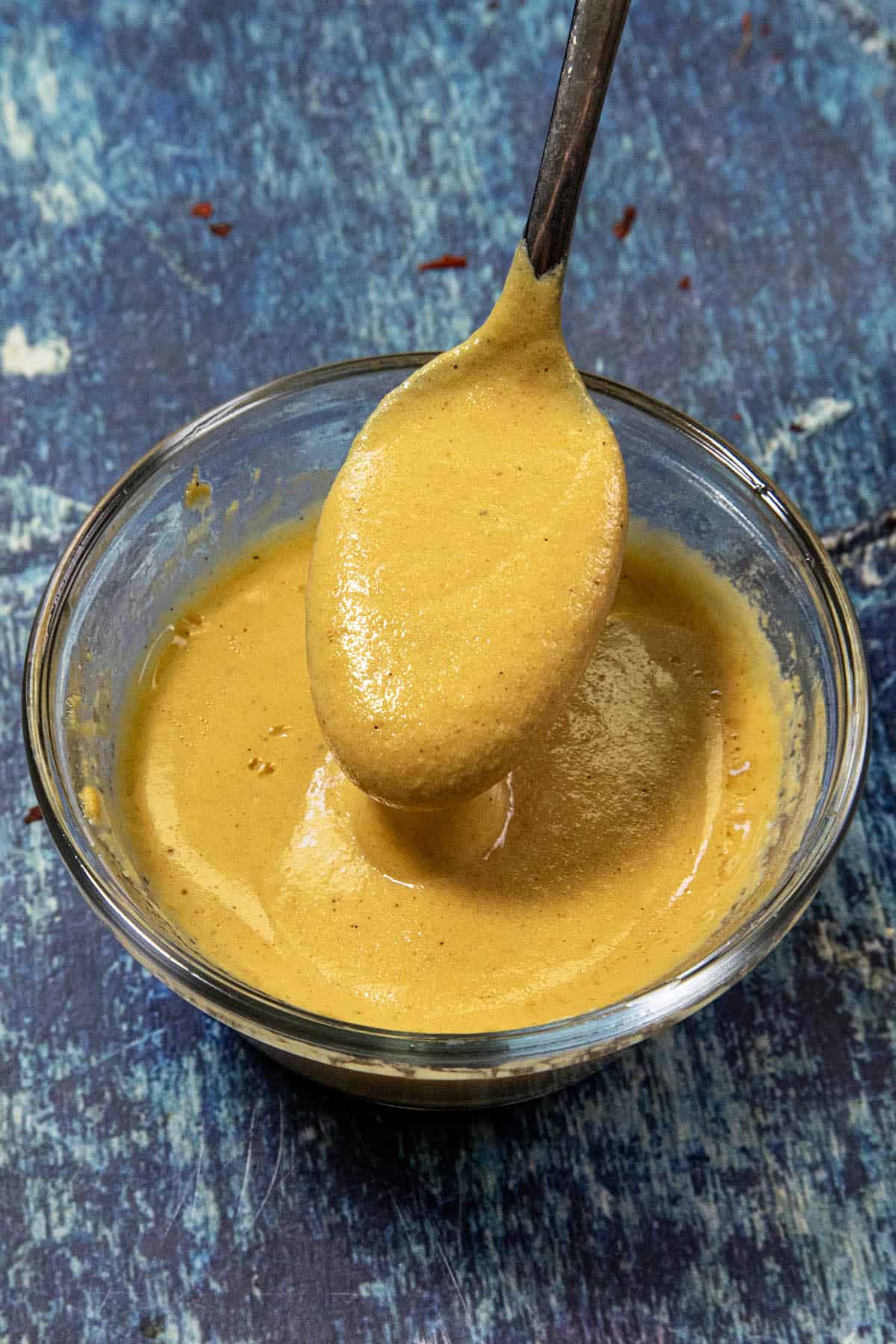
Add the ice cold water. Whisk until completely smooth, about 30 seconds. You want a thick, spoonable paste. Don't worry, you can thin it later.
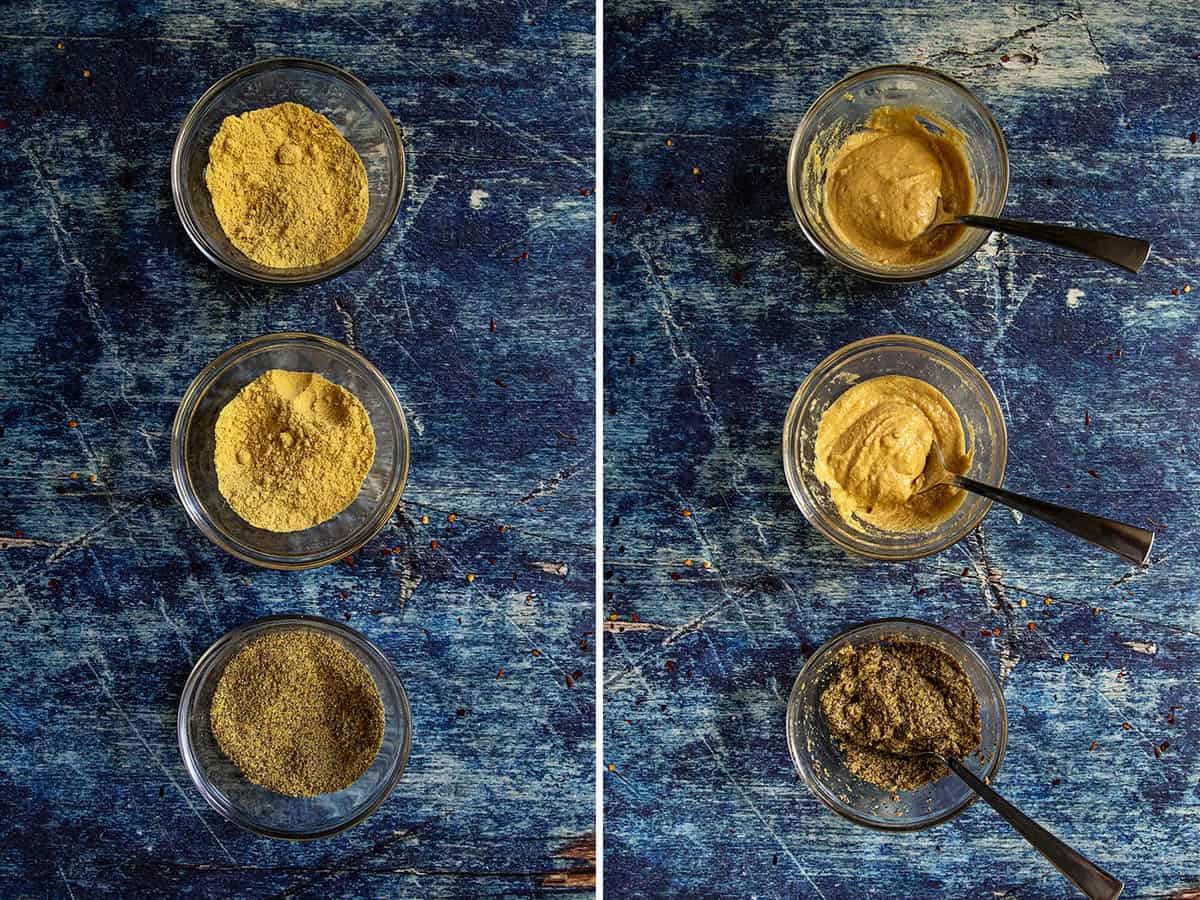
Rest for 10 to 15 minutes at room temperature. This is where the heat develops. Do not refrigerate or add anything else yet. Let the enzyme do its work. Patience, my friend!
Stir in the vinegar and oil. Taste and adjust. Add water a teaspoon at a time if you want a thinner dip.
Serve. BOOM. That is it, my friends. Spicy hot mustard at your service.
How Hot Is Chinese Hot Mustard?
Chinese hot mustard is more pungent than “hot” in the chili pepper sense. Chili pepper heat comes from capsaicin, which activates heat-sensitive receptors and produces that familiar lingering burn. Much of the sharp heat in brown and black mustard comes from allyl isothiocyanate, a highly volatile compound that can reach the nasal passages and produce that unmistakable sinus-clearing sensation.
Mustard heat also tends to hit fast and fade much faster than capsaicin heat, which is one reason the two feel so different.
- To make it hotter: Skip the sugar, skip the vinegar, and serve it immediately after resting. You can also use freshly ground brown or black mustard seed to get more aggressive heat.
- To make it milder: Add the vinegar right at the beginning with the water, use a little more sugar, and let it sit an hour or two before serving. You can also use warm water to mix. You'll still get that burn, just not as pronounced.
Recipe Tips & Notes
- Make it fresh for better burn. It may last a month or longer, but the burn starts to fade after a day or so. It only takes two minutes to mix, so make it when you want it.
- Chili crisp hot mustard. Stir in a teaspoon of chili crisp at the end for a spicy mustard that hits both your nose and your tongue. It's incredible and easy.
- Hot honey mustard. Use hot honey instead of sugar. Stir it in after the rest It's sweet, sharp, and spicy.
- Garlic mustard. Add a pinch or more of garlic powder in with the dry ingredients.
- Soy sauce version. Replace half a teaspoon of the vinegar with soy sauce. It's saltier and makes for a great dip.
- Thicker or thinner. Use less water for a thicker paste, better for holding its shape. Use more water for a thinner dipping sauce. Adjust a teaspoon at a time.
Serving Chinese Hot Mustard
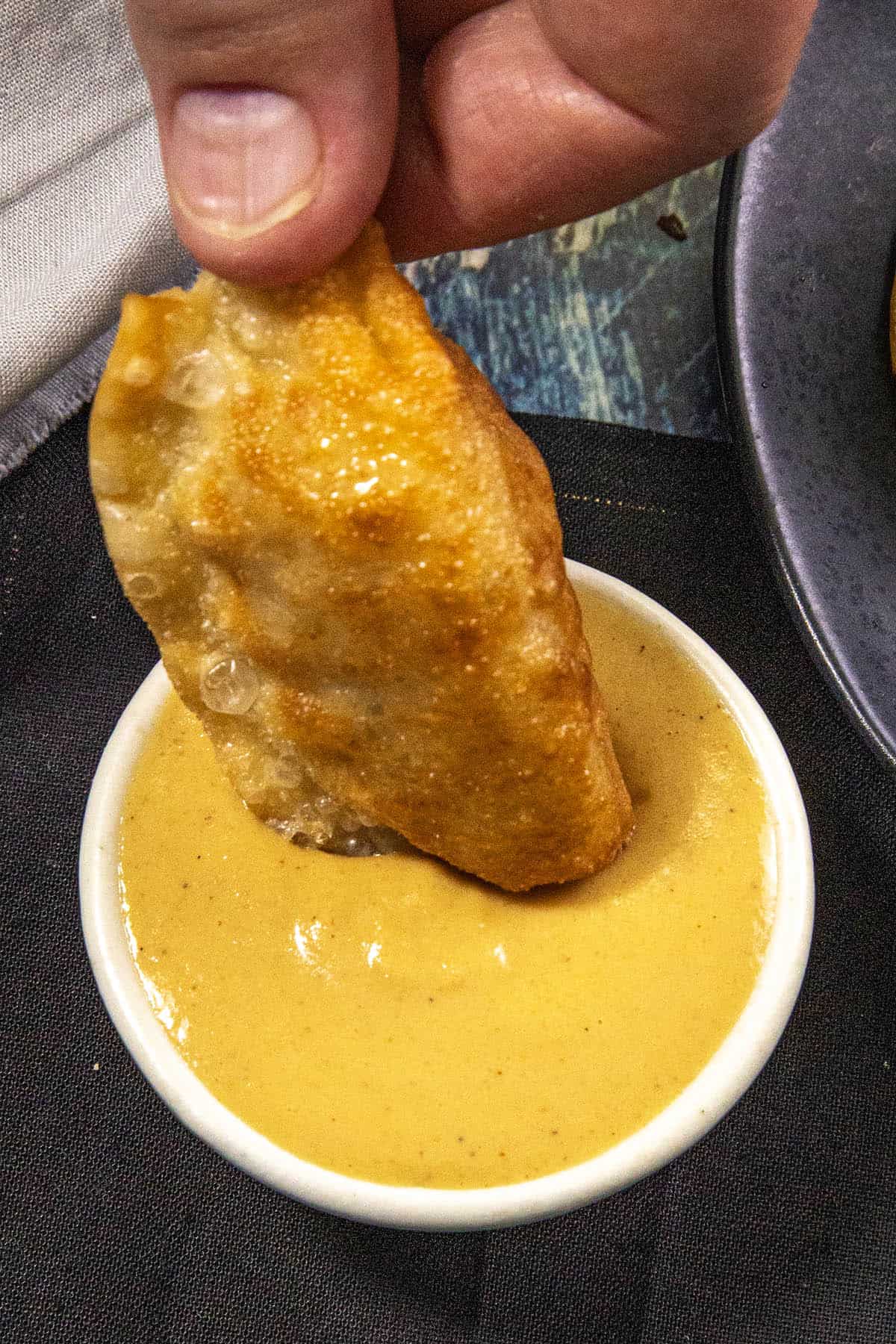
This mustard is classic with egg rolls, spring rolls, crispy fried wontons, or crab rangoon. All the great Chinese appetizers.
Use it anywhere you want a good mustard, like sandwiches, whisked into salad dressings, brushed over pork or chicken as a glaze, or stirred into a good stir fry sauce.
Beyond that, use it as a sandwich spread where you would use a spicy brown mustard, whisk it into a salad dressing, brush it onto pork or chicken during the last few minutes of roasting, or stir a spoonful into a stir fry sauce. Roast pork and mustard are best friends.
Storage
Store leftover Chinese hot mustard in an airtight container in the refrigerator. It keeps for about a month or longer, but the heat fades noticeably after the first day. It turns more mellow, but you still get great mustard flavor, which is not a bad thing for sandwiches.
Give it a good stir before using it again, since it may separate in the fridge.
I do not recommend freezing homemade mustard, as it can affect the overall texture.
That's it, my friends. I hope you enjoy the spicy mustard. Let me know if you make it. I'd love to hear how it turned out for you, and if you decided to spice it up!
Get FLAVOR MADNESS - The Cookbook!
Have you seen my new cookbook FLAVOR MADNESS? Big Flavor Recipes! You absolutely can't miss it. Check it out!
Got any questions? Ask away! I’m happy to help. If you enjoy this recipe, I hope you’ll leave a comment with some STARS. Also, please share it on social media. Don’t forget to tag us at #ChiliPepperMadness. I’ll be sure to share! Thanks! — Mike H.
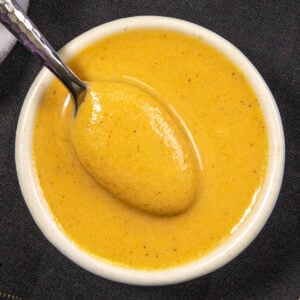
Chinese Hot Mustard Recipe
Ingredients
- 1/4 cup dry mustard powder Colman's, or Chinese hot mustard powder
- 1/4 teaspoon salt
- 1/8 teaspoon ground white pepper
- 1/4 teaspoon sugar optional
- 3 tablespoons ice cold water plus more as needed
- 1 teaspoon rice vinegar unseasoned
- 1 teaspoon neutral oil optional
Instructions
- Whisk the mustard powder, salt, white pepper, and sugar together in a small non-reactive bowl.
- Pour in the ice cold water. Whisk until completely smooth, about 30 seconds. It should be thick and spoonable, like a loose paste.
- Rest at room temperature 10 to 15 minutes. This is where the heat is made. Don't refrigerate it, and don't add anything yet.
- Whisk in the rice vinegar and the oil. Taste and adjust, adding water a teaspoon at a time for a thinner dip.
- Serve within the hour for maximum burn.
Notes
Nutrition Information
FAQ
Why is my Chinese hot mustard not hot?
It is usually water temperature. Hot or even warm water dampens the enzyme that creates the heat. Use cold water. The other culprits are old mustard powder, which loses potency on the shelf, and adding vinegar too early.
What kind of mustard powder should I use?
Colman's dry mustard is the easiest to find and it works great. Chinese hot mustard powder from an Asian market works too. Avoid anything labeled as a prepared or seasoned mustard mix.
Can I use regular yellow mustard instead of powder?
No. Prepared yellow mustard already has vinegar in it. You need dry powder for this particular recipe.
Is Chinese hot mustard the same as English mustard?
They're very similar, especially when you're starting with dry mustard powder. Colman's English mustard powder works extremely well for Chinese hot mustard because it's a blend of brown and white mustard seeds. The biggest difference is how the mustard is prepared and seasoned. Chinese-American restaurant-style hot mustard is typically mixed fresh and kept simple to preserve that aggressive, sinus-clearing punch.
Terry says
Oooh yes this works perfectly. Thanks Mike!
Mike Hultquist says
Thanks, Terry!
Simon says
Hi Mike, tried this tonight and it worked very well.
I used whole mustard seeds, however in my part of the world we can only really get yellow mustard seeds and black mustard seeds. What ratios would you suggest for just yellow and black seeds (no brown)?
Also, can you add a little turmeric powder to get that nice bright yellow colour? How would that affect the taste?
Mike Hultquist says
Glad you enjoyed it, Simon. I would go with 1.5 teaspoons each black and yellow mustard seeds, then make a note to adjust the next time, see if you more of either one. Yes, you can add turmeric, though I would add just a pinch for color. That won't affect flavor much at all. Let me know how it goes. Enjoy!!
BONVIVANT says
Mike , Thank you for the scientific tips of water temperature and timing of the addition of vinegar. They made a big difference in the Chinese hot mustard. I love making the Woks of Life Chinese restaurant Take Out Eggroll recipe. Great recipe!
Mike Hultquist says
Absolutely! I love this stuff! The more pungent the better. Thanks so much!
Nigel says
If you want an excellent and very hot mustard from the UK you must try Tracklements Strong English Mustard - it is way stronger than Colemans and well worth trying. Get it here https://www.amazon.co.uk/Tracklements-Strong-English-Mustard-140g/dp/B00W5ILAV8