


Make Ras El Hanout, the fragrant Moroccan spice blend, with my easy homemade recipe. Plus the best substitutes and how to use it.
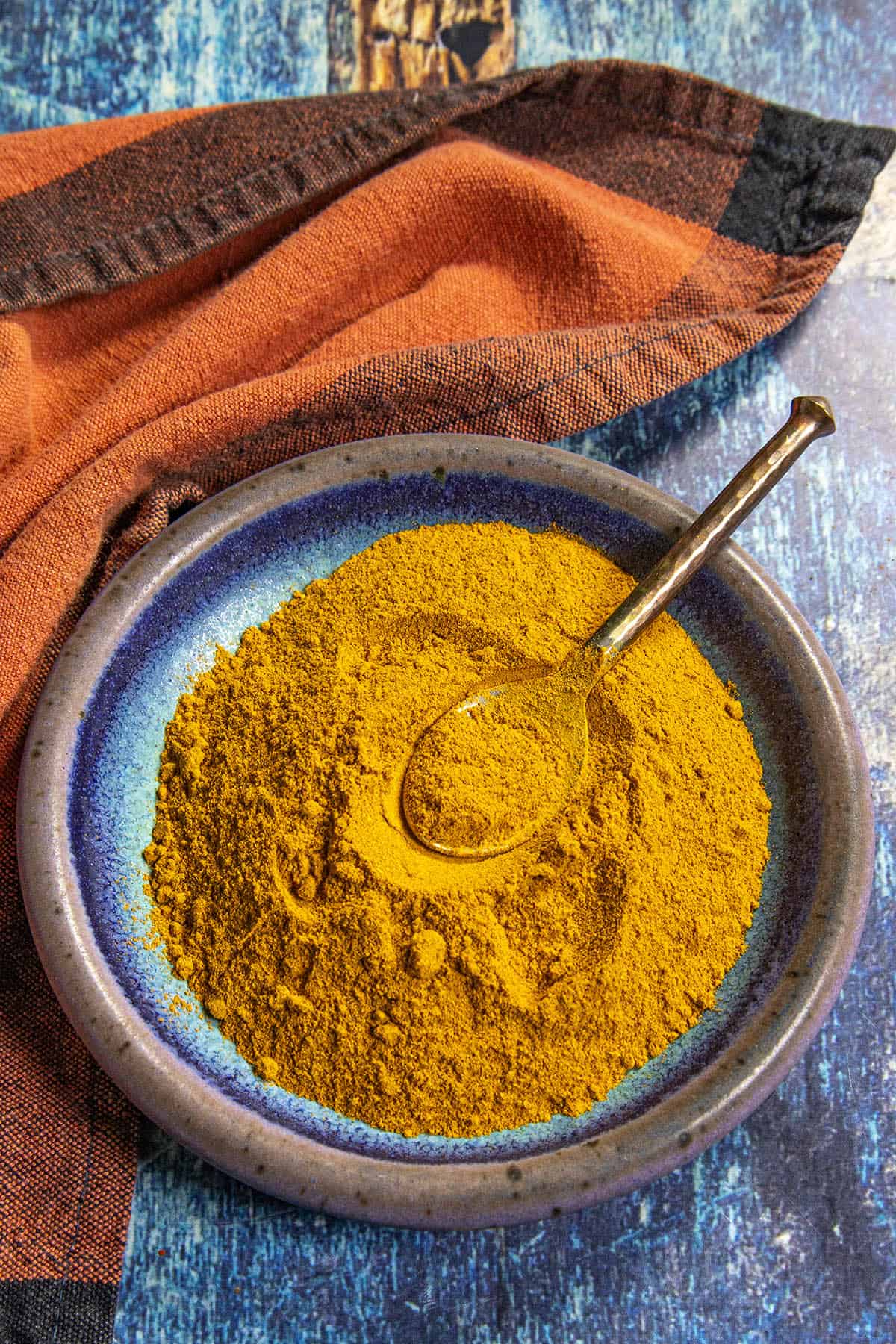
Ras El Hanout is the spice blend I grab when I want a dish to smell like a show stopper. It's fragrant, warm, a little floral, with a gentle heat that builds in the back of your throat instead of hitting you over the head. The name translates to "head of the shop," which in Arabic carries the same idea as our "top shelf." A merchant's best spices, all in one jar.
I'll walk you through my homemade Ras El Hanout recipe below, but first, the question I get most:
Quick Answer: What's the best Ras El Hanout substitute?
If you're out of Ras El Hanout and need something close:
- Garam masala is the closest single-blend swap. Their base spices overlap and you'll get a similar warmth, though it's less floral and a touch less complex with fewer ingredients. Add a pinch of cayenne or paprika to compensate.
- Baharat also works, especially the Middle Eastern style. It's slightly more peppery and less sweet, but the similarities are real.
- Curry powder is the back-of-the-cabinet option. It'll get you in the neighborhood, depending on the blend.
- Or just make your own. It takes about 5 minutes and twelve spices you probably already have. Recipe is right below.
Now, the full story.
What Is Ras El Hanout?
Ras El Hanout (pronounced rahs el hah-NOOT) is a Moroccan spice blend originally from North Africa, used across Morocco, Algeria, and Tunisia. There's no single official recipe. A traditional blend from a market in Marrakech might have 20 spices. A high-end version from a Fes spice merchant might have 40 or more, including dried rosebuds, lavender, saffron, orris root, and grains of paradise. You'll find variations from house to house, cook to cook, but all with the same general character.
A good Ras El Hanout is warm, earthy, just a touch sweet, peppery without being aggressive, and unmistakably floral underneath. It's a blend that smells like the long history of trade between North Africa and the Middle East, India, and sub-Saharan Africa, because that's literally what it is.
You'll find it rubbed into lamb shoulder, stirred into tagines, sprinkled over roasted vegetables, dusted onto chickpeas, or folded into buttery couscous. It plays nicely with fruit (apricots, dates, preserved lemon) and with heat (harissa, fresh chiles).
My Homemade Ras El Hanout Recipe
This is the blend I keep in my own kitchen. Twelve ground spices, no specialty sourcing, ready in about five minutes. I love that. It hits all the traditional flavor notes (warm, sweet, peppery, floral) and you can easily tweak the heat up or down as desired.
Scroll to the recipe card at the bottom for exact measurements and the printable version.
The Spices
- Cumin and coriander. The savory, earthy elements.
- Cinnamon, allspice, and cloves.For warmth and sweetness. Use cloves lightly, as they can overpower quickly.
- Ginger. A bright flavor pop, and touch of heat different from chilies.
- Cardamom and nutmeg. Perfume elements. Cardamom will make people stop and ask what's in this.
- Sweet paprika and turmeric. For color, flavor, and earthy touches.
- Black pepper.
- Cayenne. An optional CPM addition, for those of us who want a little chili presence behind the warmth. Skip it for a classic blend, or push it up if you want more heat. Make it yours.
Optional Authentic Additions
If you want to push the blend closer to what you'd buy from a Moroccan spice merchant, any of these work:
- Dried rose petals (food-grade), about 1 teaspoon ground. This will really deliver those classic floral notes.
- Lavender buds, about ¼ teaspoon ground. A little goes a long way.
- Saffron, a small pinch crushed in.
- Ground mace or fennel for added depth and complexity.
- Grains of paradise if you can find them, for a peppery-floral kick.
None of these are required. The 12-spice base blend is more than enough to give you the real flavor.
How to Use Ras El Hanout
This blend is incredibly versatile. Some of my favorite uses:
- Rubbed on lamb or chicken before grilling or roasting. Especially lamb shoulder, lamb chops, or chicken thighs.
- Stirred into tagines and stews, where it can simmer and bloom for hours.
- Tossed with chickpeas and olive oil, then roasted at 400°F until crisp. Best snack.
- Sprinkled on roasted vegetables: carrots, sweet potatoes, cauliflower, eggplant.
- Bloomed in butter or oil at the start of a rice or couscous dish.
- Stirred into yogurt with lemon juice for a quick sauce or marinade.
- Mixed into ground meat for kefta, meatballs, or burgers.
A general starting point: about 1 to 2 teaspoons per pound of meat, or 1 teaspoon per cup of grains or vegetables. Adjust from there.
How to Make It Spicier (the CPM Way)
The base recipe is mild-warm, not hot. Ras El Hanout traditionally isn't a hot blend, it's a fragrant one. But if you want some spicy kick, here are a few ways to dial it up:
- More cayenne, up to a full teaspoon. This is the easiest way.
- Add a teaspoon of ground chile de árbol or hot paprika for heat that isn't as sharp.
- Add ½ teaspoon of Aleppo pepper for fruity, moderate heat that complements the warm spices beautifully.
- Stir in a pinch of ground ghost or scorpion pepper if you really want to set things on fire. Start tiny.
If you're using Ras El Hanout as a rub, you can also pair it with harissa at the table for layered heat.
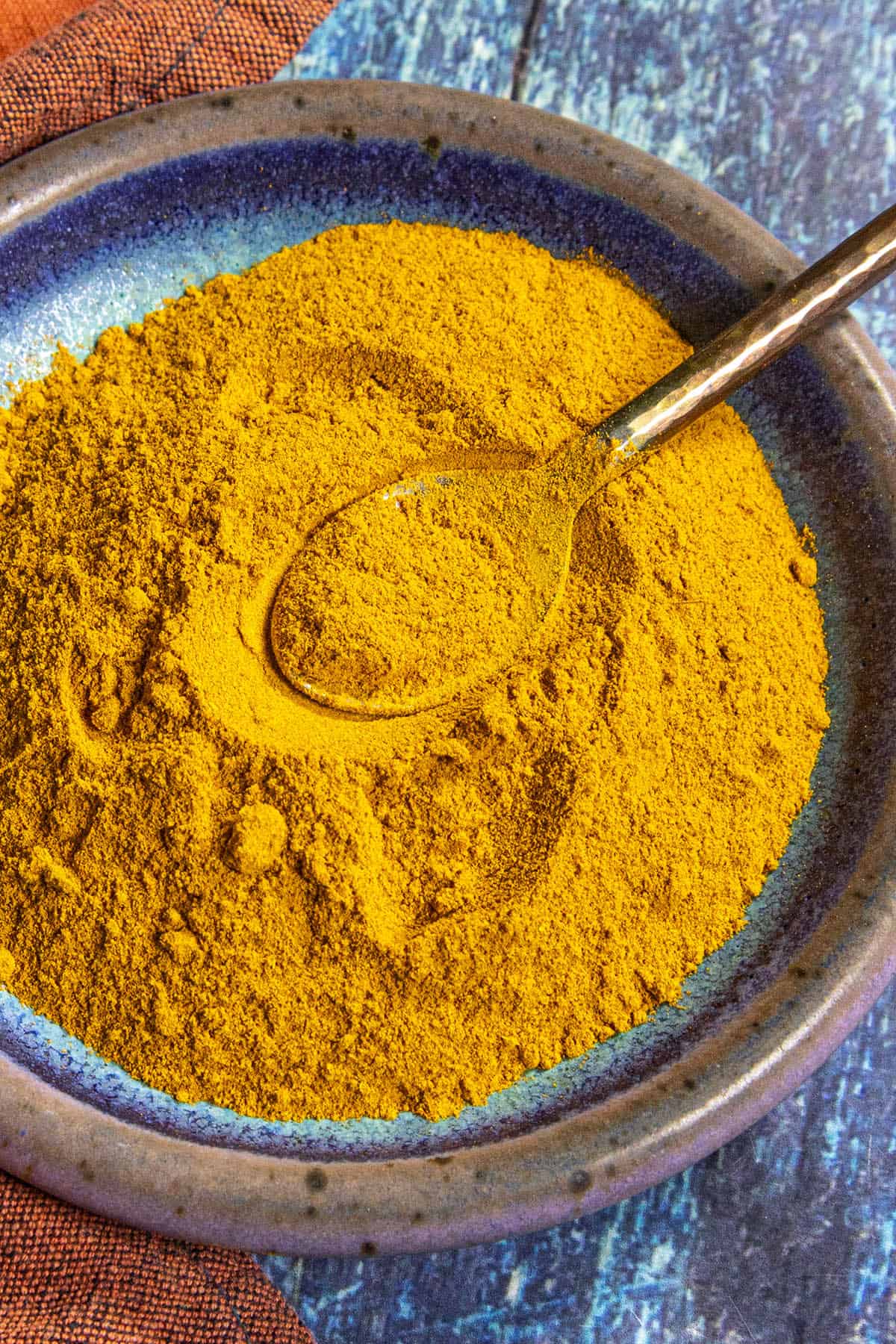
Ras El Hanout Substitutes (the Longer Version)
If you can't make your own and you can't find the blend at the store, here's how each substitute actually compares.
Garam Masala
Garam masala is the closest off-the-shelf sub. They both include cumin, coriander, cinnamon, cardamom, cloves, and black pepper. Garam masala isn't quite as complex, though, with stronger nutmeg-clove flavors, and it doesn't have the floral side. To get closer to Ras El Hanout, add a pinch of paprika and a pinch of cayenne. Substitute 1 for 1. See my homemade garam masala recipe to make your own.
Baharat
Baharat is a Middle Eastern blend used across Lebanon, Syria, Jordan, and Turkey. It's a warm, not hot, aromatic mix that typically focuses on paprika, black pepper, cumin, coriander, cinnamon, cloves, nutmeg, and cardamom. It's more peppery than Ras El Hanout and lacks the floral notes, but it's a good substitute. Substitute 1 for 1. See my homemade baharat recipe to make your own.
Curry Powder
Curry powder works in a pinch but it'll take the dish in a different direction, depending on your blend, and there are many. Use about 75% of the amount called for to avoid overpowering the dish, and consider adding a pinch of cinnamon and allspice to bring it closer. See my homemade curry powder recipe for a good option.
Your Own Custom Mini-Blend
If you have most of the spices but not all twelve, you can still get close. The minimum viable Ras El Hanout substitute, in my opinion - equal parts cumin, coriander, cinnamon, ginger, paprika, plus a smaller amount of cloves and black pepper. Five minutes, seven spices, and you've got something that will work nicely for you.
Ras El Hanout vs Garam Masala
These two get compared constantly, and for good reason. Both are warm, aromatic, multi-spice blends. Both go back centuries. Both focus on cumin, coriander, cinnamon, cardamom, and cloves.
The differences:
- Origin. Ras El Hanout is North African (Morocco, Algeria, Tunisia). Garam masala is Indian, with regional variations across the subcontinent.
- Floral character. Ras El Hanout often includes rose petals, lavender, or other floral elements. Garam masala doesn't.
- Heat. Neither is traditionally hot, but garam masala usually has black pepper as its sharp note, while Ras El Hanout sometimes includes cayenne or chili.
- Cooking method. Garam masala is often added at the end of cooking to preserve its aromatics. Ras El Hanout is typically added early and allowed to bloom in oil or simmer in a tagine.
You can swap one for the other in a pinch, but they're not interchangeable in the way that, say, sweet paprika and smoked paprika are. They lead to different dishes.
Ras El Hanout vs Baharat
Baharat is the Middle Eastern cousin. The two blends share most of their core spices but emphasize different aspects. Baharat is typically more peppery and savory, less floral, and shows up in shawarma, kebabs, and Levantine stews. Ras El Hanout is sweeter, more aromatic, and shows up in tagines and couscous.
If a recipe calls for one and you have the other, they'll get you a dish that works, just slightly shifted in character.
How Long Does Ras El Hanout Last?
Ground spice blends start losing potency after about 3 months, though they remain safe to use much longer than that. For best flavor, use within 6 months. Store in an airtight container in a cool, dark place (not above the stove, despite what every spice rack ad shows you).
If your blend smells faint when you open the jar, dry-toast a small amount in a skillet over low heat for 30 seconds to wake it back up before using.
Where to Buy Ras El Hanout
If you'd rather buy than make, you can usually find it at:
- Specialty grocers (Whole Foods, Sprouts, international markets)
- Middle Eastern or North African groceries
- Online: The Spice House, Penzeys, Amazon
That said, most pre-made versions are pretty restrained. Making your own gives you a fresher, more aromatic blend and lets you adjust the heat and floral character to your own taste.
Learn More about These Other Interesting Spice Blends
- Garam Masala
- Baharat
- Berbere
- Za'atar
- Chinese 5 Spice
- Cajun Seasoning
- Curry Powder
- Chili Pastes from Around the World
- Homemade Spice Blend Recipes
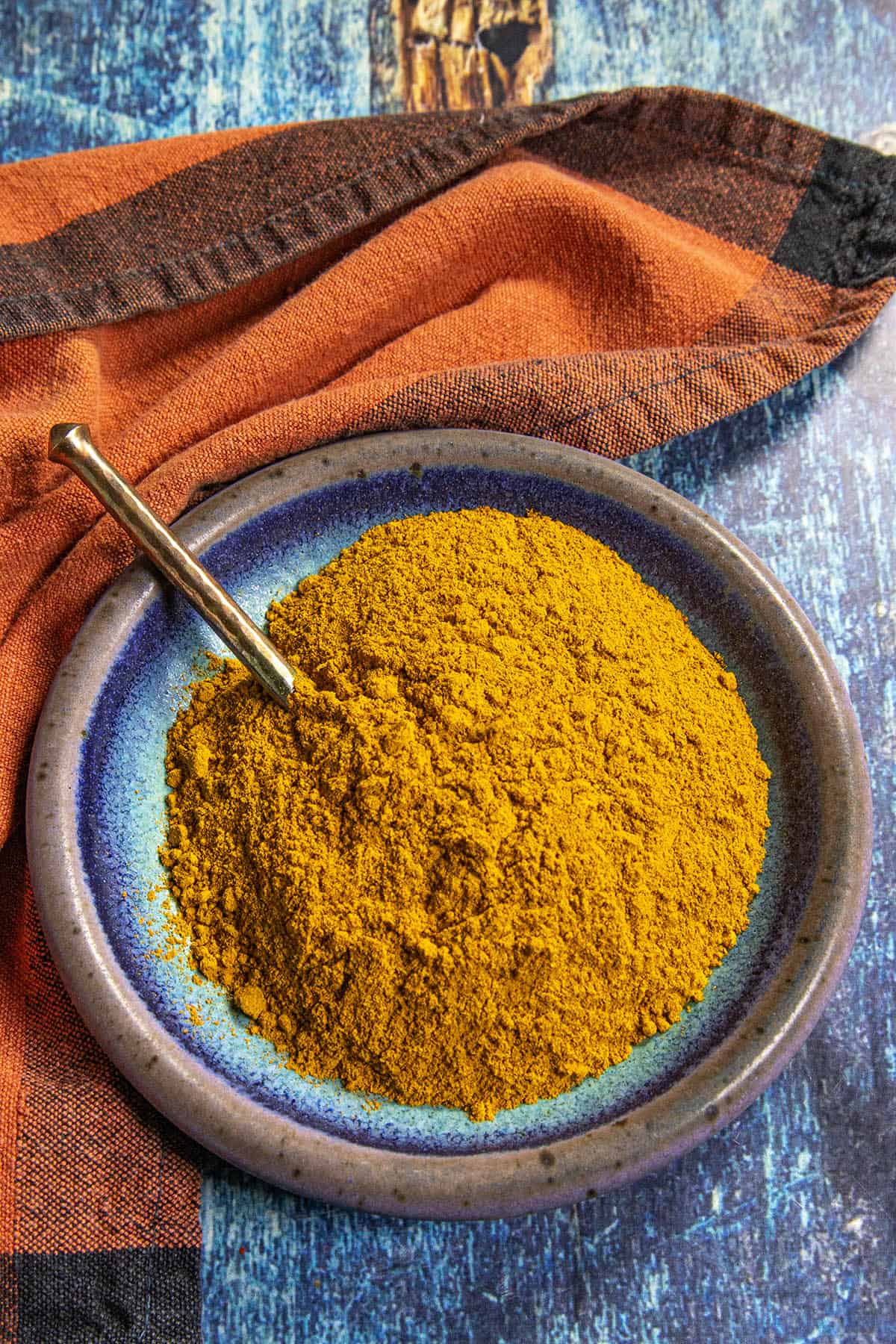
If you try this recipe, please let me know! Leave a comment, rate it, and tag a photo #ChiliPepperMadness on Instagram so I can take a look. I always love to see your spicy inspirations. Thanks! — Mike H.
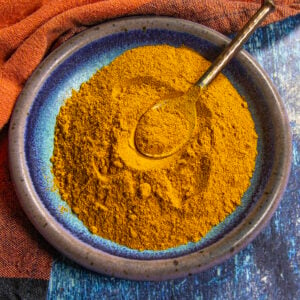
Ras El Hanout Recipe
Ingredients
- 2 teaspoons ground cumin
- 2 teaspoons ground coriander
- 2 teaspoons sweet paprika
- 1 ½ teaspoons ground cinnamon
- 1 ½ teaspoons ground ginger
- 1 teaspooon ground turmeric
- 1 teaspoon ground allspice
- 1 teaspoon ground black pepper
- 1/2 teaspoon ground cardamom
- 1/2 teaspoon ground nutmeg
- ½ teaspoon ground cloves
- ¼ to ½ teaspoon cayenne pepper (optional, to taste)
- Optional Additions: 1 teaspoon ground dried rose petals, ¼ teaspoon ground lavender, a small pinch of crushed saffron, ½ teaspoon ground mace or fennel.
Instructions
- Add all ingredients to a small bowl and stir together until evenly combined.
- Transfer to an airtight container or spice jar.
- Store in a cool, dark place for up to 6 months. For best flavor, use within 3 months.
Notes
- For deeper flavor, use whole spices (cumin seed, coriander seed, allspice berries, cardamom pods, cloves, peppercorns) lightly toasted in a dry skillet over medium-low heat for 1 to 2 minutes, then ground in a spice grinder or with a mortar and pestle. Add the pre-ground spices (cinnamon, ginger, turmeric, paprika, nutmeg, cayenne) after grinding.
- For more heat, increase cayenne up to 1 teaspoon, or add ½ teaspoon ground chile de árbol or Aleppo pepper.
- Storage: Glass jar with a tight lid, away from heat and light. The blend stays safe to use much longer than 6 months but loses aroma over time.
Nutrition Information
FAQs
Not traditionally. It's warm and aromatic, but not hot in the chili-heat sense. Many traditional blends include no cayenne or chili at all. If you want heat, add cayenne, chile de árbol, or Aleppo pepper to taste.
No, but they're cousins. They share many of the same spices and have a similar warm-aromatic profile. The main differences are origin (North African vs Indian), the floral element in Ras El Hanout, and how each is traditionally used in cooking.
Yes, in most cases. The flavor will shift slightly toward sweet and floral, but the dish will work. Use the same amount.
Warm, sweet, earthy, peppery, and faintly floral. The dominant notes are cumin and coriander on the savory side, cinnamon and allspice on the warm side, cardamom and nutmeg on the perfume side, with black pepper and optional cayenne adding structure.
A good starting point is 1 to 2 teaspoons per pound of meat, or 1 teaspoon per cup of grains or vegetables. Taste as you go.
You can, but you'll lose a lot of the signature perfume. If you don't have cardamom, double the allspice and add an extra pinch of cloves. Not the same, but closer than nothing.
Traditional Ras El Hanout doesn't include salt. The blend is meant to season the spice profile of a dish, with salt added separately to taste.
NOTE: This post was originally updated in May 2026 with new information, including more substitute info, and FAQs.
Abbey O'Connell says
I cannot tolerate cumin, it upsets my stomach. Can I leave it out, add extra coriander or use a different spice instead?
Mike Hultquist says
You can leave it out, Abbey, and yes, just use a bit more coriander for the balance. Enjoy!
G Neroni says
Brilliant recipe.
Mike Hultquist says
Thanks, G!!