


Learn how to make suadero tacos the Mexico City way, slow-cooked in lard until tender, then crisped in fat and piled on a corn tortilla with salsa and lime.
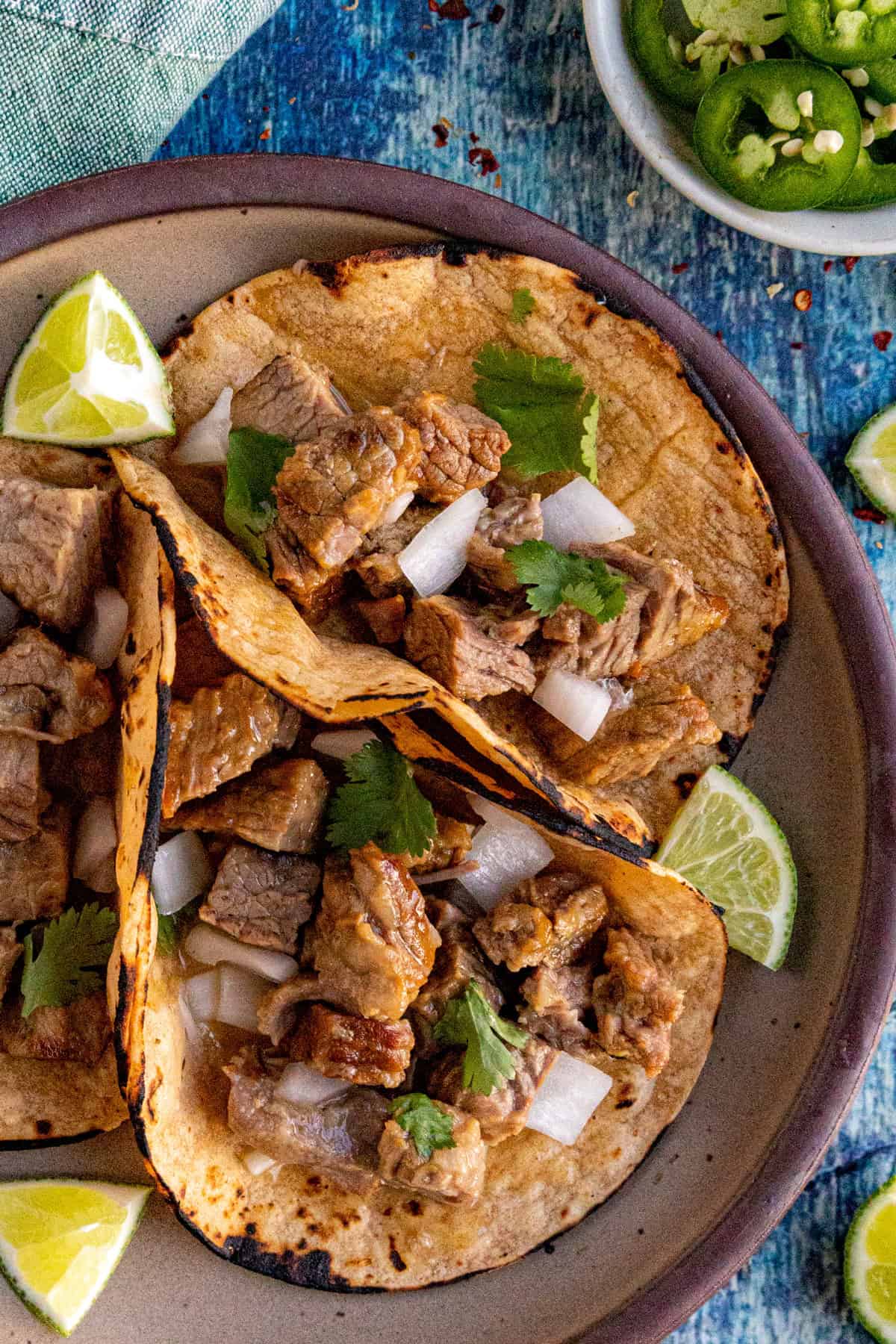
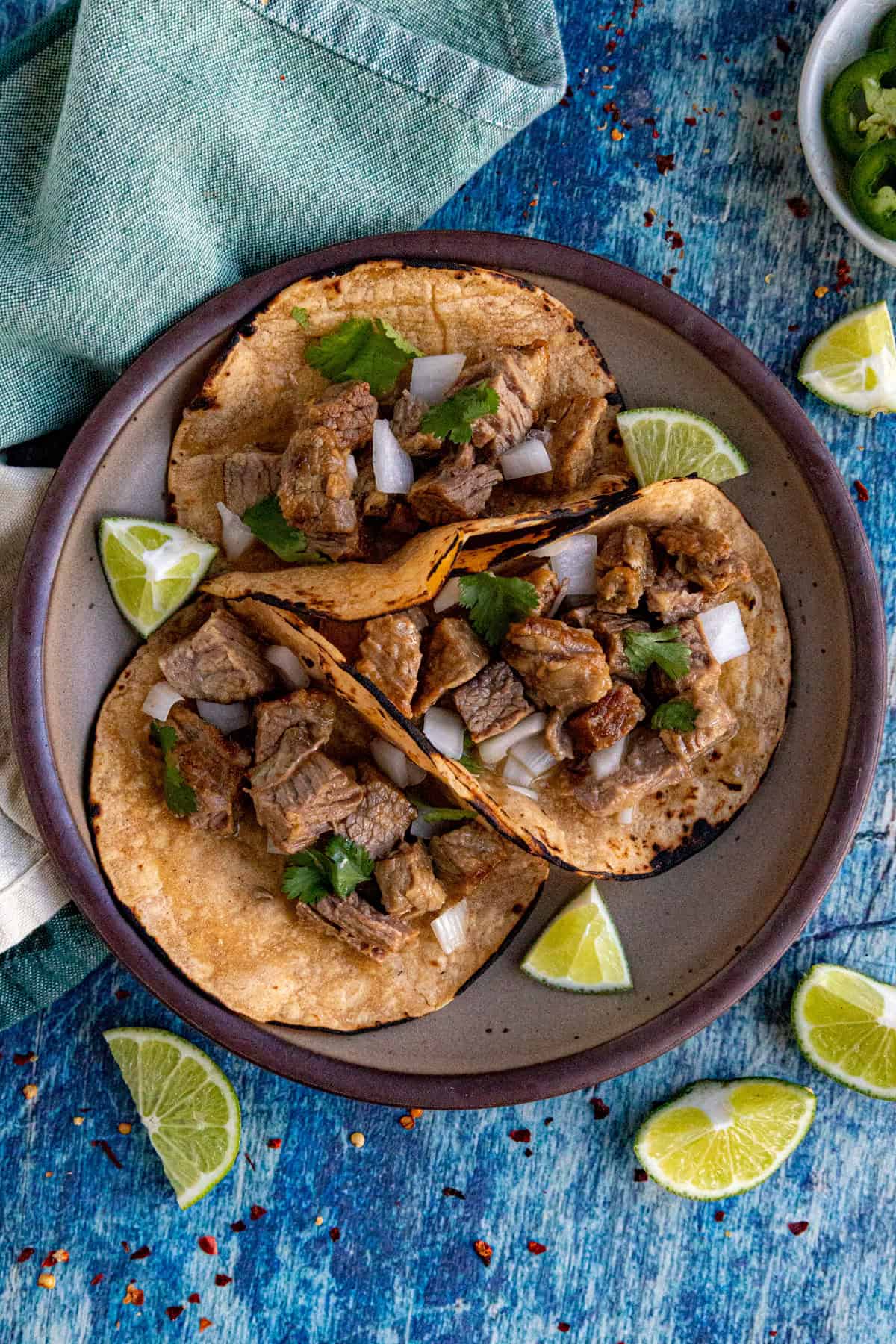
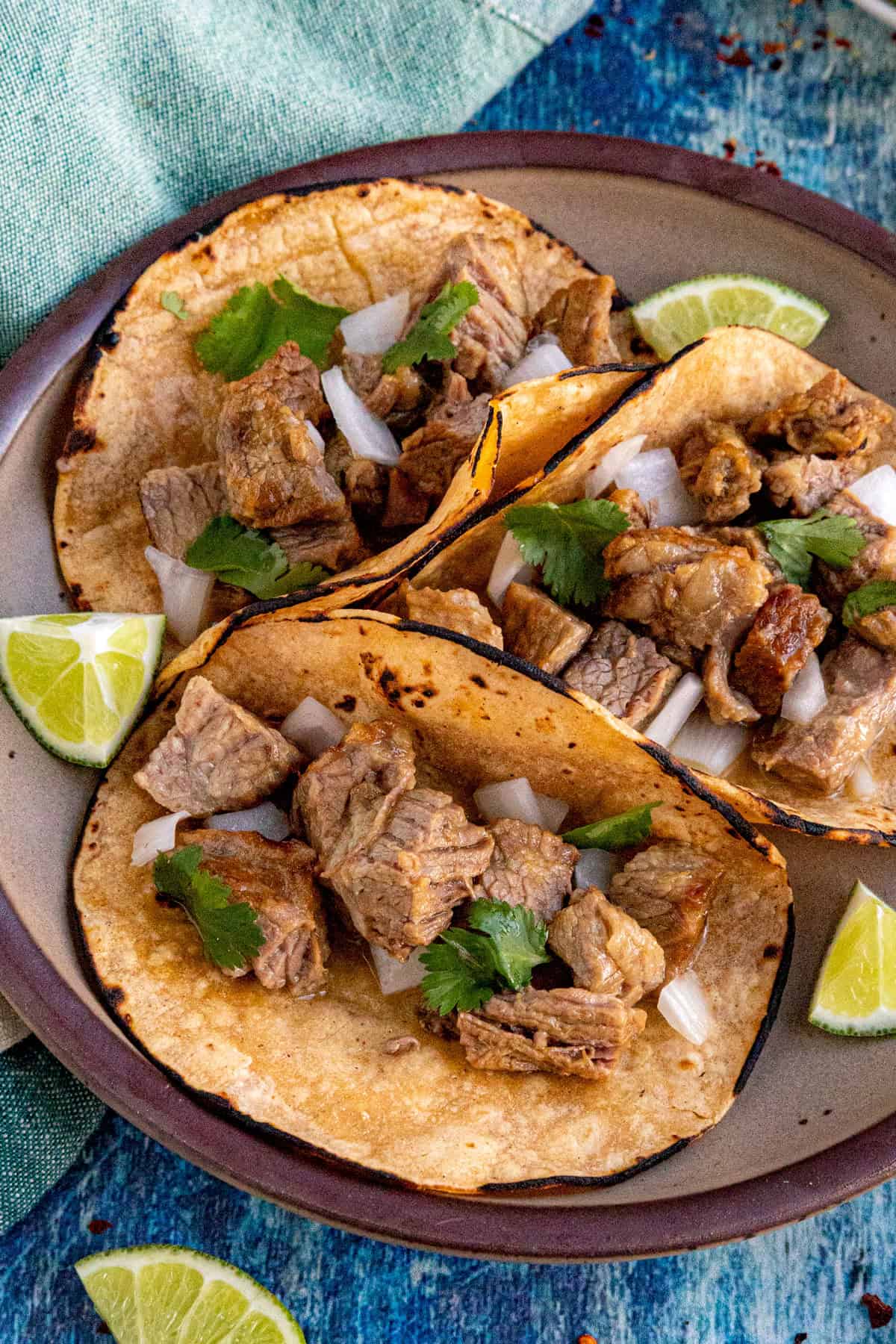
Tacos de suadero is one of the most popular street tacos in Mexico City, right up there with al pastor and barbacoa, and once you taste them, you'll understand why. The beef is cooked low and slow until fall-apart tender, often with other meats, then crisped in its own rendered fat until the edges get lightly browned and slightly chewy. The cooking process is similar to making pork carnitas, a simple method with a big flavor payoff.
For this recipe, I'm using beef brisket, which is the most practical substitute for true suadero outside of Mexico. We're also cooking it the traditional way, simmered in lard and water until tender, then finished in the hot fat until crispy. No pressure cooker needed. No spice rub. Just beef, fat, and time, the way street vendors have been doing it for generations.
I first had suadero tacos years ago in Mexico, a simple street taco that really stuck with. The beef was very tender, a little crispy, somewhat rich from the fat it cooked in, and topped with nothing but onion, cilantro, and salsa. That's it. I've been working on a home version ever since, pulling from everything I could learn about how it's traditionally made, including Danny Mena's excellent Made in Mexico: Classic and Contemporary Recipes from Mexico City, which is a great resource for authentic Mexican cooking.
Let me show you how to make it at home.
What Is Suadero?
Suadero is a cut of beef from the middle section of the cow, between the belly and the leg. In the U.S., it's sometimes called the navel cut or beef plate, and it's not easy to find at most grocery stores.
If you have a local Latin carnicería, ask for "suadero", which they'll often have. Otherwise, beef brisket (especially the brisket point, which has more fat marbling) is the best substitute and works really well here.
The key to tacos de suadero isn't just the cut, but the cooking method. The meat braises in a mixture of water and lard until tender, and as the water evaporates, it starts cooking confit-style in the rendered fat. That's what gives it the distinctive texture - tender inside, lightly crispy outside with slightly chewy, caramelized edges.
Why You'll Love This Recipe
- Authentic Mexico City street taco style. No shortcuts, no spice packets, just simple, easy cooking.
- Simple ingredients. Big flavor comes from the cooking technique, not a long ingredient list.
- Make-ahead friendly. Braise the meat ahead of time and crisp it to order when you're ready to serve.
- Perfect for spice lovers. Pair it with chile de árbol salsa or chiles toreados for real heat.
Key Ingredients
The full ingredients list with measurements is listed in the printable recipe card at the bottom of the post.
- For the Suadero
- Beef brisket point, cut into large chunks
- Lard or beef tallow
- White onion and fresh garlic
- For Serving
- Corn tortillas
- Chopped white onion
- Chopped cilantro
- Lime wedges
- Salsa roja or salsa verde
How to Make Tacos de Suadero (Suadero Tacos)
Step 1: Start the braise. Add the cubed beef, lard, water, salt, onion, and garlic to a large, heavy pot. The water should partially cover the meat, not fully submerged. Bring it to a simmer over medium heat.
Step 2: Slow cook until tender. Cook uncovered for 1½ to 2 hours, or until the beef is very tender and pulls apart easily. The water will gradually evaporate as it cooks. Keep an eye on it and adjust the heat as needed to maintain a steady simmer, not a hard boil.
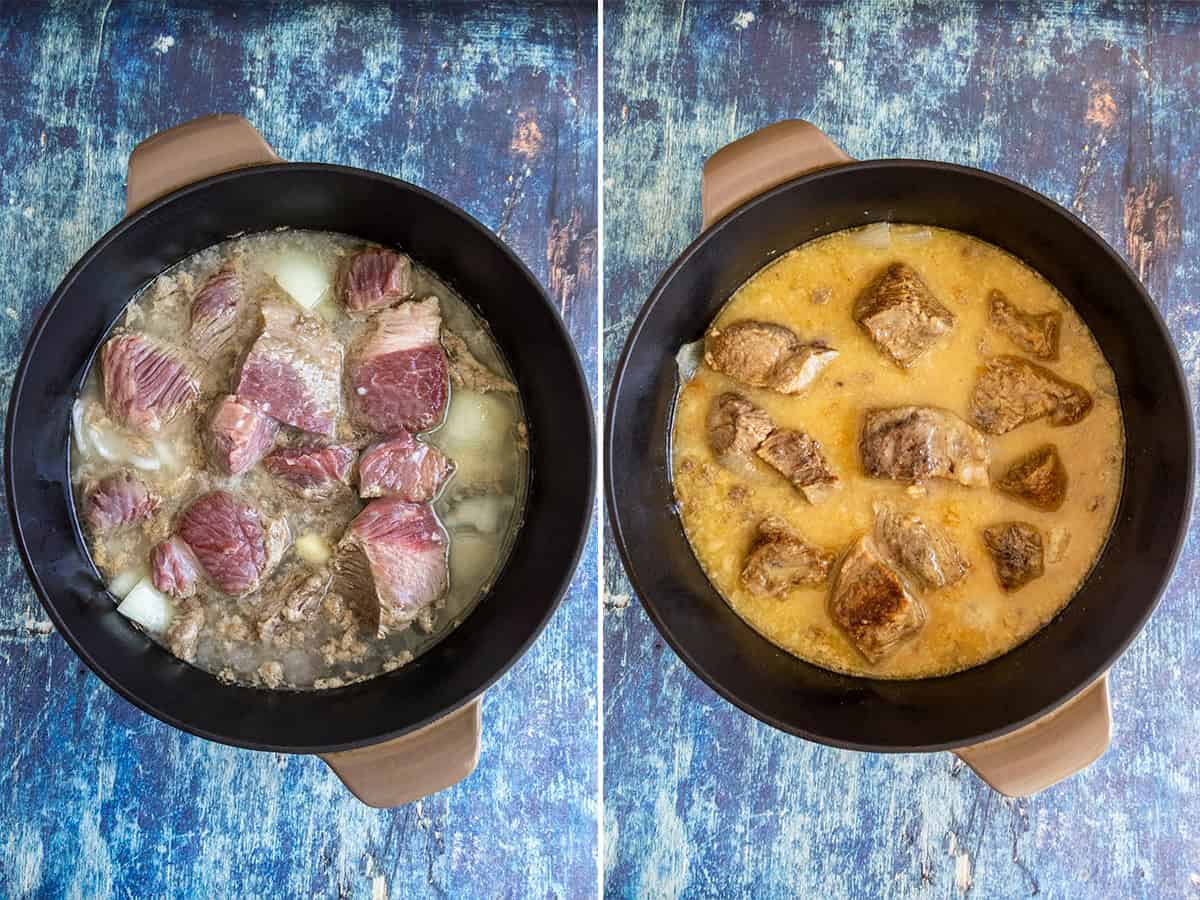
Step 3: Let the fat take over. Once most of the water has evaporated, the beef will start cooking in the rendered fat. This is the confit stage, where the flavor really builds. Let it go for another 15-20 minutes in the fat.
Step 4: Chop the meat. Carefully remove the beef and chop it into small taco-size pieces on a cutting board.
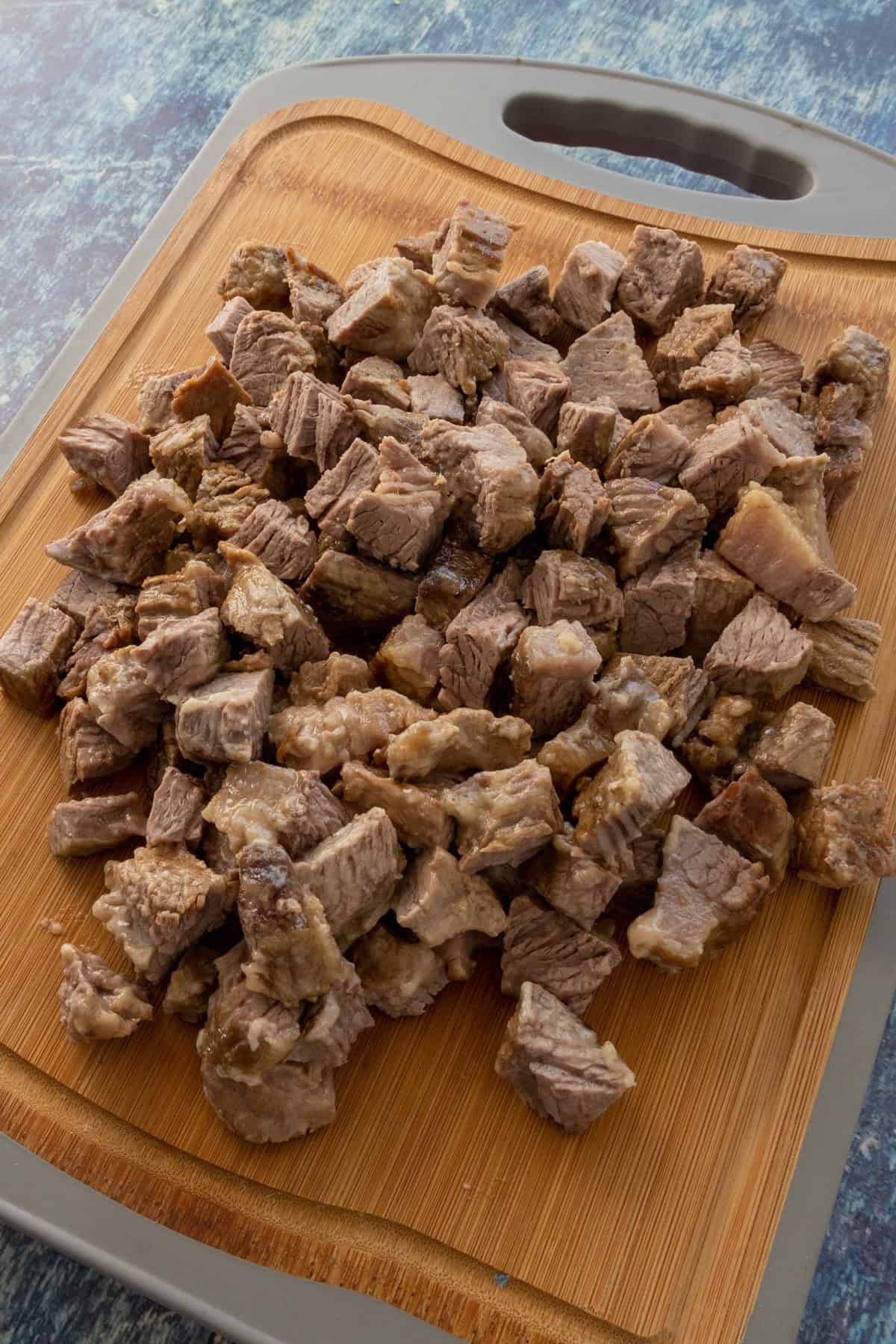
Step 5: Crisp it up. Return the chopped meat to the pot and cook it in the hot fat for several minutes, stirring occasionally, until the pieces are browned and lightly crispy on the edges. Don't rush this step.
Step 6: Heat your tortillas. Warm corn tortillas on a hot dry skillet or comal until soft and lightly charred in spots. Use two tortillas per taco if you'd like to keep everything from falling apart.
Step 7: Build your tacos. Fill each tortilla with suadero and top with chopped white onion, cilantro, a squeeze of lime, and your salsa of choice. Serve immediately.
Taqueria Tip: Add a Little Longaniza
Some Mexico City taco vendors add a small piece of longaniza or chorizo in the suadero pot as it braises. The sausage adds extra flavor to the meat. You can remove it before serving or chop it into the tacos for extra flavor, campechano style.
Street vendors often cook a wide variety of meats in the same pot, like suadero, tripe, longaniza, sweetbreads - Danny Mena calls it "mystery meat" - which all flavors the simmering fats over hours of cooking. You'll get that similar flavor at home by adding a small piece of longaniza or chorizo without all the effort.
The salsa is where you control the heat level, which is perfect for Chili Pepper Madness readers.
The Spicy Angle: Salsa Options
I love tacos de suadero with traditional onion, cilantro, lime, and salsa. The salsa is where you can add some heat. Here are some options from CPM that pair perfectly with this recipe:
- Salsa Roja (Mexican Table Sauce) - Classic, all-purpose, great with suadero.
- Salsa Verde (Mexican Green Salsa with Tomatillos) - The bright and tangy flavor cuts through the fatty richness.
- Salsa Ranchera - Classic with roasted tomato and serrano.
- Yucatan Habanero Salsa (Xni-Pec) - Fiery habanero kicks it up a notch.
This beef is rich from the lard, so a sharp, acidic salsa works best.
Tips for the Best Suadero Tacos
- Use the brisket point, not the flat. The point has more fat marbling, which gives you a better final texture. The flat can get a bit dry after crisping.
- Don't rush the water reduction. Some recipes skip this step and just pressure-cook the meat. This is fine, but the confit stage (where the meat cooks in the fat after the water evaporates) is what develops the real suadero flavor.
- Use lard if you can. I know it's easy to swap in vegetable oil, but lard is a big part of what makes tacos de suadero taste like tacos de suadero. Beef tallow also works well here.
- Make-ahead note: You can braise the meat up to two days in advance and refrigerate it in the fat. When you're ready to serve, scoop out portions and crisp them in a hot pan. The flavor actually gets better after a rest, like many braises.
What to Serve with Suadero Tacos
These are some of my favorite ways to serve them:
- Salsa roja or salsa verde - must haves for topping
- Pickled jalapeños or pickled red onion for extra acid and crunch factor
- Mexican rice and homemade refried beans if you want to make it a full meal
- An agua fresca or cold Mexican beer to balance the whole dish
Storage
- Refrigerator: Store leftover suadero in an airtight container with some of the cooking fat for up to 4 days. The fat keeps the meat moist and flavorful.
- Freezer: Suadero freezes well. Portion it out into freezer bags or containers (with a little fat if possible) and freeze for up to 3 months. Thaw overnight in the fridge.
- Reheating: The best way to reheat is in a hot skillet with a bit of the reserved fat. Cook a couple minutes over medium-high heat to re-crisp the edges. Microwaving works in a pinch but you lose the texture.
- Tortillas: Store leftover tortillas separately. Pre-made tacos don't store well and fall apart. It's best to heat up fresh tortillas when serving.
More Taco Recipes to Try
Got any questions? Ask away! I’m happy to help. If you enjoy this recipe, I hope you’ll leave a comment with some STARS. Also, please share it on social media. Don’t forget to tag us at #ChiliPepperMadness. I’ll be sure to share! Thanks! — Mike H.
Suadero Tacos Recipe (Tacos de Suadero)
Ingredients
For the Suadero
- 2 pounds beef brisket point cut into large chunks
- 3/4 cup lard or beef tallow
- 2-3 cups water or enough to partially cover the meat
- 1 teaspoon salt or to taste
- ½ small white onion chunked
- 3 cloves garlic
For Serving
- 12 corn tortillas
- ½ cup chopped white onion
- ½ cup chopped cilantro
- lime wedges
- salsa roja or salsa verde
Instructions
- Add the beef, lard, water, salt, onion, and garlic to a large pot. The water should partially cover the meat.
- Bring to a simmer and cook for 1½-2 hours, or until the beef is very tender. The water will gradually reduce during cooking. Once most of the water has evaporated, the beef will begin cooking in the rendered fat.
- Carefully remove the meat and chop it into small taco-size pieces.
- Return the chopped meat to the pot and cook it in the hot fat for several minutes, stirring occasionally, until browned and lightly crispy.
- Heat the tortillas on a hot skillet or comal until soft and lightly charred.
- Fill tortillas with the suadero and top with chopped onion, cilantro, salsa, and a squeeze of lime. Serve immediately.
Notes
Nutrition Information
Frequently Asked Questions
What cut of meat is suadero?
Suadero is a thin cut from the middle section of the cow, between the belly and leg. In Mexico it's a specific cut, but in the U.S. it's rarely sold at mainstream grocery stores. Brisket point is the most common and practical substitute.
Where can I buy suadero beef?
Your best bet is a Latin carnicería or a butcher who breaks down whole primals. Call and ask specifically for suadero or navel cut. If you can't find it, brisket point is the best substitute - avoid the flat.
Can I use a pressure cooker or Instant Pot?
Yes, pressure cook on high pressure for 45 minutes, until tender. However, you will lose the slow water-reduction stage, which helps build flavor as the meat goes from braising to cooking in fat.
What's the difference between suadero and barbacoa?
Both are slow-cooked beef tacos, but use different cooking methods. Barbacoa is traditionally steamed or slow-roasted (often in a pit), which gives it a different texture. Suadero is braised and then crisped in the rendered fats, giving it those crispy edges.
John W Cunningham says
Made today, used sirloin, rice and refried beans. Excellent, the meat was so tender.
Mike Hultquist says
Thanks, John! Glad it worked with sirloin! I hadn't tested that cut. Very nice.
Monica says
This sounds amazing. Would it benefit to add a dehydrated pepper such as Anaheim while it’s cooking… a little something to kick it up a notch?
Mike Hultquist says
Hi, Monica! You can absolutely add some chilies to this to up the flavor profile. It's not traditional, but that never stopped us! Have fun experimenting!
jamie parisi says
Can this be done Sous Vide? I just got one and ive made beef tongue taco and it was amazing? Slow Cooker?
Mike Hultquist says
Jamie, I have not tested this with a sous vide, but based on my sous vide experience, I think it will work very nicely if you skip the water and sous vide in the fat. Same with the slow cooker. Skip the water, which is meant to cook off, leaving the fat behind.
Anne says
This sounds delicious! What other cuts could used besides brisket?
Mike Hultquist says
So good! You can use beef chuck, beef cheek, even short rib, basically tougher cuts of beef that benefit from low and slow cooking. Enjoy, Anne!