

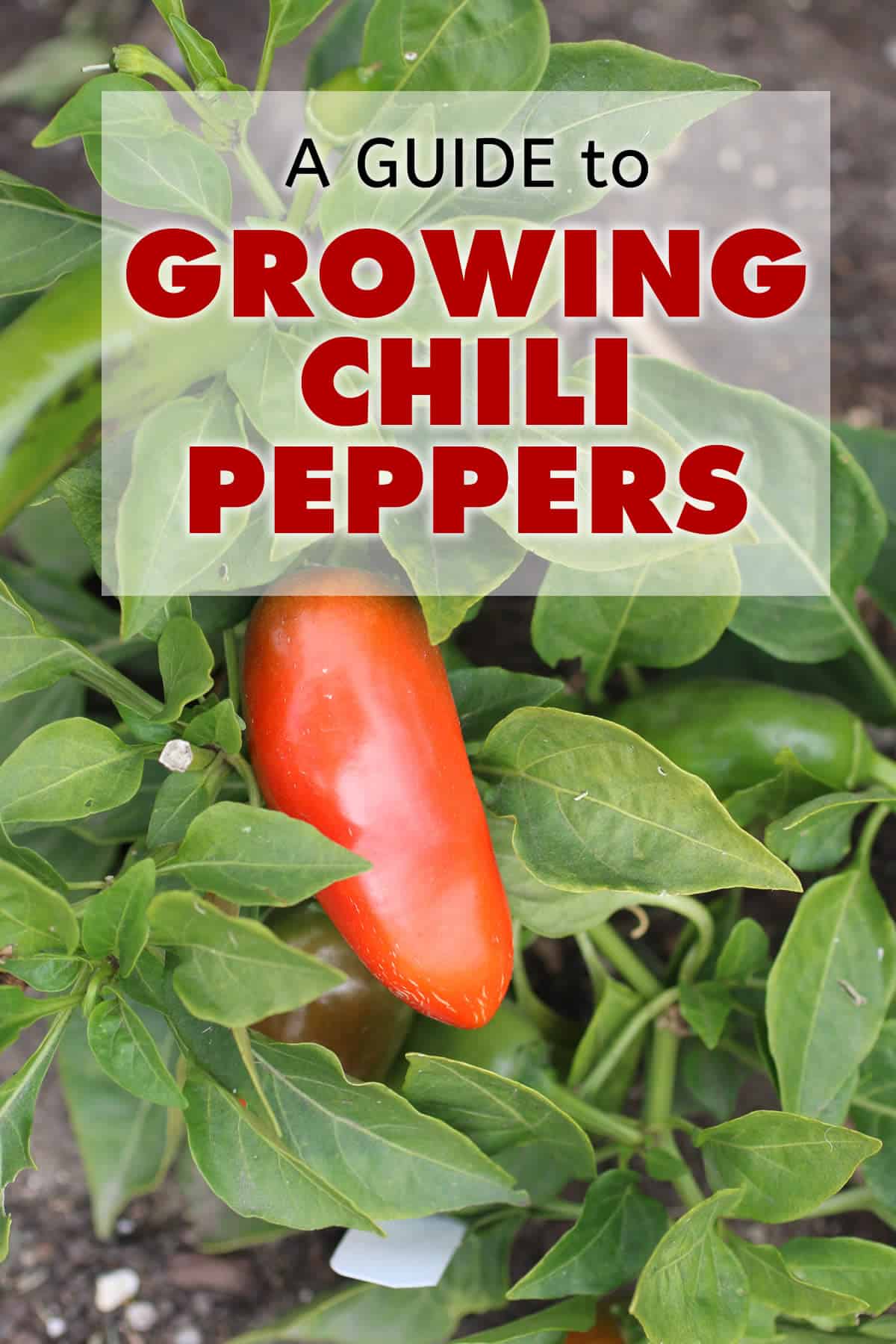
This guide will show you how to grow chili peppers of all types in your own home garden and includes answers to many of your growing questions, such as pepper plant spacing, sun needs, length of growing season, chili pepper growing tips and more.
Let's talk about growing chili peppers. Chili peppers start off a bit slow, so it is helpful to start to grow your plants indoors a few weeks (anywhere from 8-12 weeks) before transferring them outside. Keep the early soil and budding plants constantly moist, but do not over water.
Keep them warm (80 -85 degrees F is best) and in a sunlit place. If this is your first time growing your chili peppers from seeds, learn more about growing chili peppers from seed.
Once there is no worry of frost, you can plant your pepper plants to your garden or chosen spot. Choose a location with full sunlight, as chili peppers LOVE the sun. Mix in some mushroom compost or other organic compost to make the soil fertile and moist.
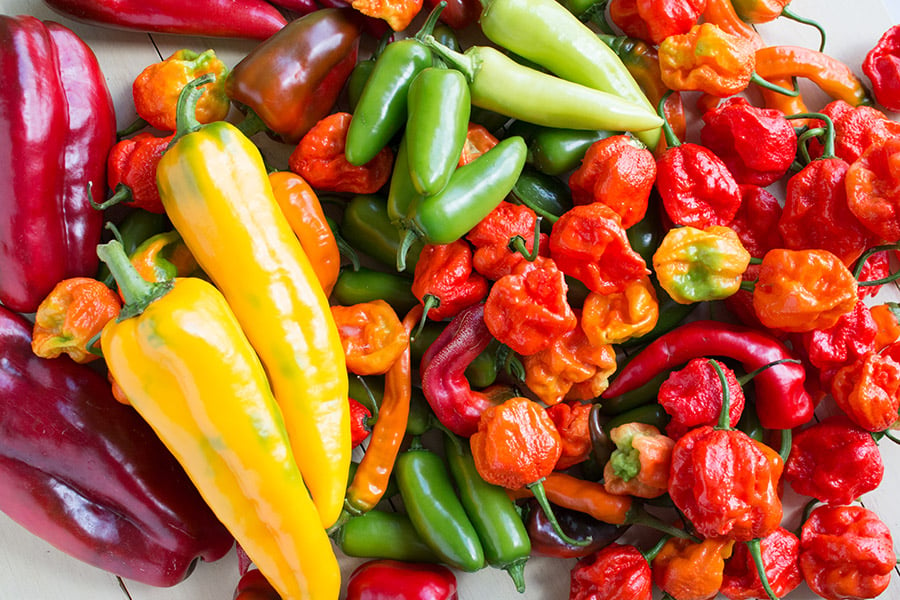
How much space do peppers need to grow?
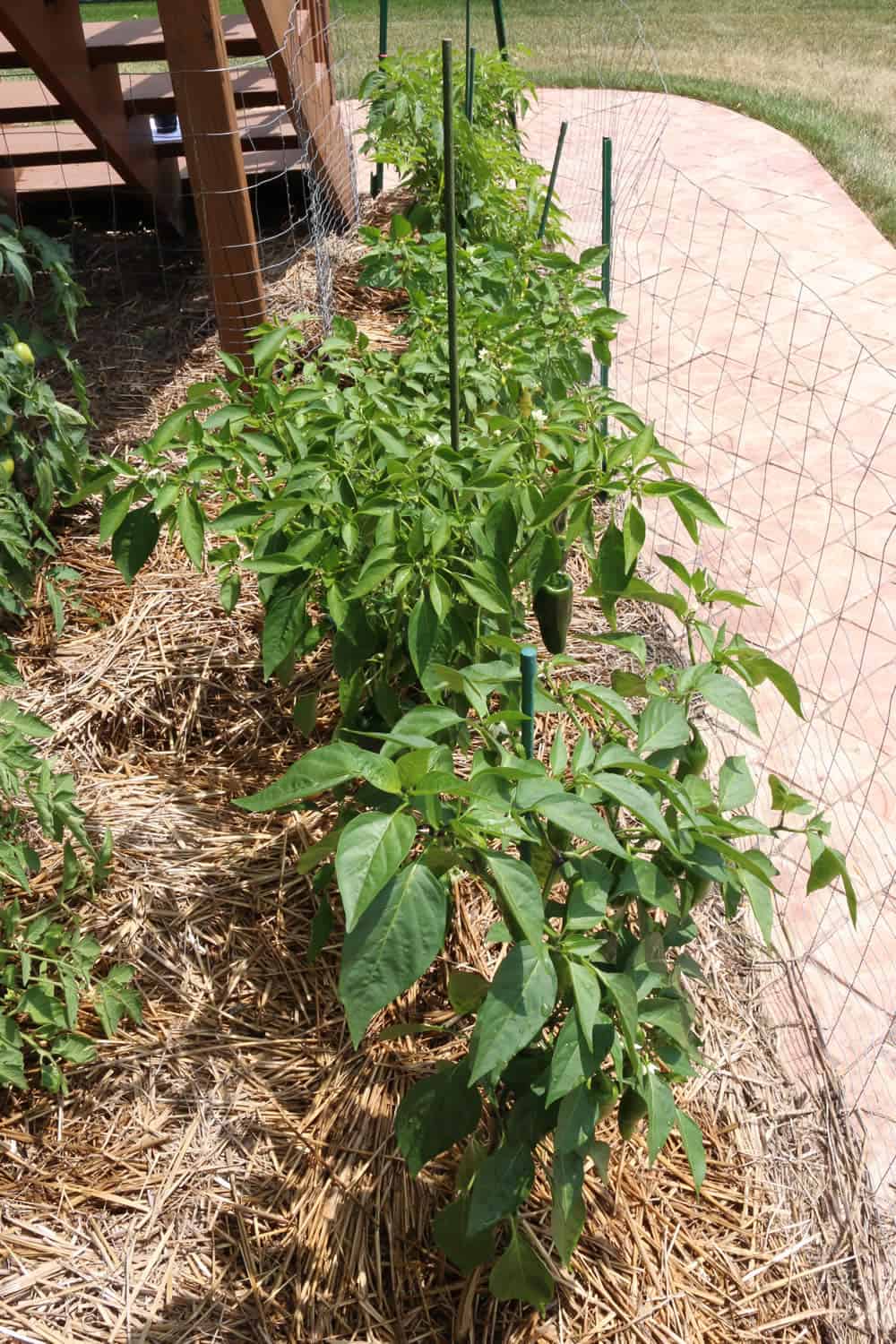
Space the chili pepper plants 18 - 36 inches apart with about 2 -3 feet between rows. The plants will eventually grow to nearly 3 feet high.
Water! Keep the soil constantly moist, but not soaking wet. Chili peppers love water as much as they love sun, but you don't want to inundate the plants, or you run the risk of rotting. Water every other day or every third day. Include a good plant food product. Learn more about growing chili peppers in the ground or garden.
Keep your chili pepper garden well weeded. You don't want nasty weeds stealing the water from your chili peppers.
Learn more about growing and harvesting chili peppers through the links below, including:
Best Soil for Growing Chili Peppers
Choose a good quality soil or potting mix for growing your pepper that allows for good drainage. Add compost or manure before planting if you’d like.
Watering Your Pepper Plants
As with growing chili peppers in general, keep the soil moist but do not overwater them. For pepper plants in pots or containers, do not let the soil dry out completely. When peppers start to grow, cut back on your watering schedule a bit, but again, do not let the soil dry out.
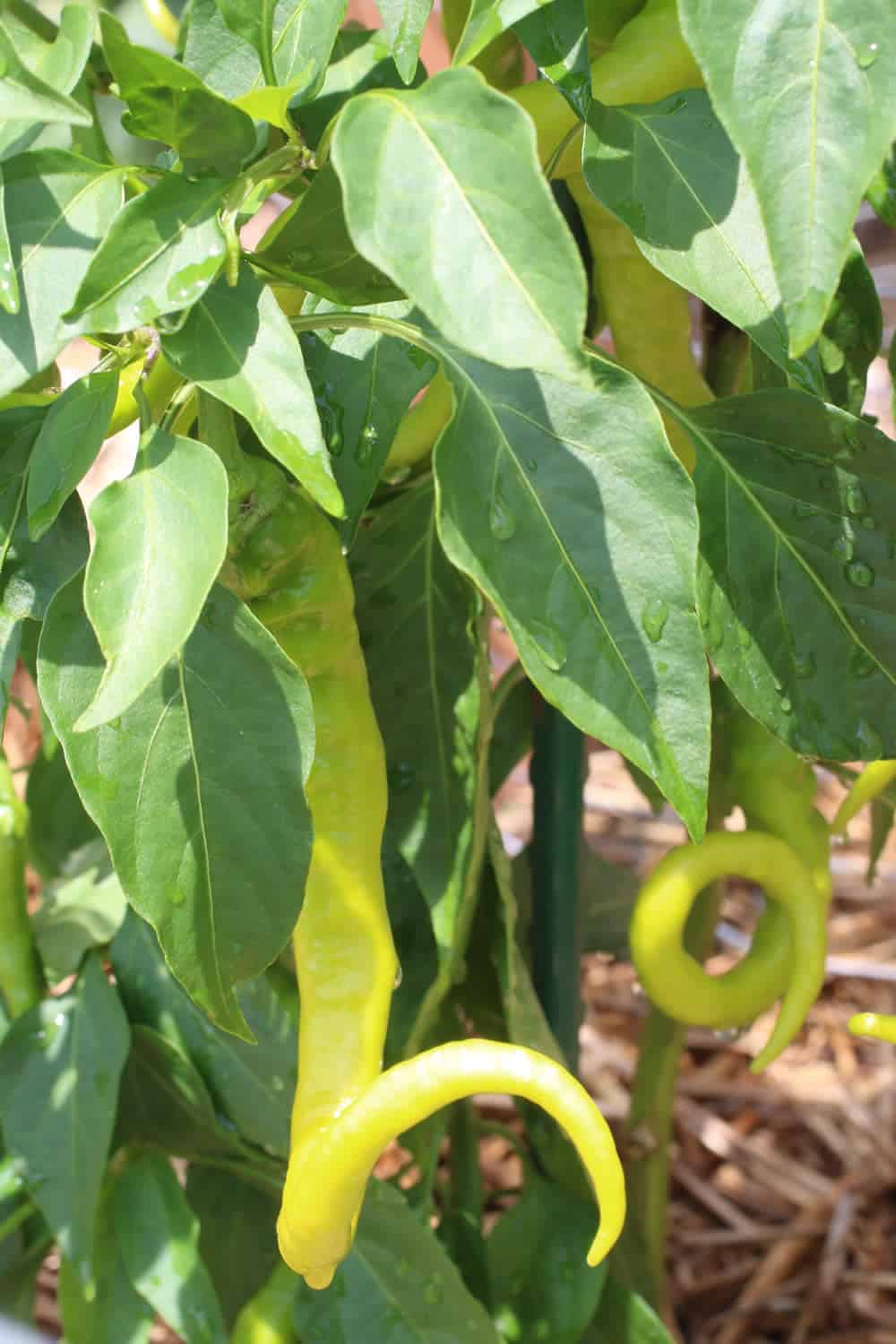
Optimal Growing Temperature for Growing Chili Peppers
The ideal growing temperature for chili pepper plants is between 70-90 F (21-32 C).
Best Fertilizer for Growing Chili Peppers
Tomato fertilizers work well for chili pepper plants, as do compost and well-rotted manure. A good 5-10-10 fertilizer is usually sufficient for peppers. Work it into the soil before transplanting, about 3 pounds per 100 square feet. We use a solution of fish emulsion and seaweed.
Once the peppers begin to appear, fertilize one more time. You can also use manure or compost, which releases more slowly into the soil. Much, however, is affected by your soil, so you may want to consider a soil test if you are having issues.
Diseases and Pests That Affect Pepper Plants
Stay vigilant with your pepper plants. Keep a constant eye out for common diseases like bacterial spot, mildew or rotting. Pests like aphids or spiders are common as well, so watch out for them.
Frequently Asked Questions about Growing Chili Peppers
I get a lot of questions about growing chili peppers. Here are some of the most frequent.
Do chili plants need sun or shade?
Chili peppers grow nicely in full sun. They will grow in partial shade, but they won't be as productive. A sunny spot is best. I have very successfully grown many varieties of chili peppers under my backyard deck, which is about 12 feet high. There is partial shade, but the garden gets a good dose of sunlight, so they grow very well.
How long does it take to grow peppers?
The length of growing time for chili peppers varies from pepper to pepper, though most mature in 60-150 days, which is a big range. Sweeter peppers typically mature in 60-90 days, with hotter peppers taking longer.
Consider, though - the number of days to maturity noted on seed packets means h the days after transplanting until the pepper plant bears mature peppers. It does not take into consideration the time it takes from planting seeds to growing into a seedling that you can transplant, which is about 8-10 weeks, so keep this in mind.
How long does a pepper plant take to bear fruit?
The length of time for chili pepper plants to start bearing peppers varies from pepper to pepper, though most mature in 60-150 days, which is a big range. Sweeter peppers typically mature in 60-90 days, with hotter peppers taking longer, up to 150 days.
What is the best food for chili pepper plants?
A good 5-10-10 fertilizer is usually sufficient for peppers. Work it into the soil before transplanting, about 3 pounds per 100 square feet. We use a solution of fish emulsion and seaweed.
Once the peppers begin to appear, fertilize one more time. You can also use manure or compost, which releases more slowly into the soil. Much, however, is affected by your soil, so you may want to consider a soil test if you are having issues.
How long can you keep chili plants?
Most chili pepper plants will only last a season in your garden, but if you transplant them and bring them indoors, and treat them to good conditions, you can keep them through the year and possibly longer. Some people have reported keeping their pepper plants for 3 years or longer.
Can you save seeds from your chili pepper plants and use them to grow plants later?
Absolutely! As a chili pepper grower, you may want to save the seeds from your current batch of chili peppers rather than purchase new seeds each year. Saving seeds also saves money, and ensures your harvest will include your very favorite peppers from season to season.
Luckily for us, chili peppers lend themselves to easy seed saving. Harvesting the seeds is a simple process, and they require very little effort to dry and store.
Learn how to save seeds from fresh peppers to grow later.
Chili Pepper Growing Tips
For successfully growing peppers, keep these growing tips in mind.
Do Not Over Water Your Pepper Plants
Pepper plants love their water, of course, and they need a steady supply, but peppers won't grow well in overly saturated soil. It waterlogs their roots. Use soil that retains moisture yet has proper drainage. Mulch is useful to prevent water evaporation.
If you are uncertain about watering, don't. Never over-water. Most diseases and growing problems are due to overwatering.
Do Not Overfertilize Your Pepper Plants
Using a lot of fertilizer may help the pepper plant to develop bright leaves and flowers, but hinders pepper production. A good 5-10-10 fertilizer is usually sufficient for peppers. Work it into the soil before transplanting. We use a solution of fish emulsion and seaweed.
Pinch Your Pepper Plants for Bushier Plants
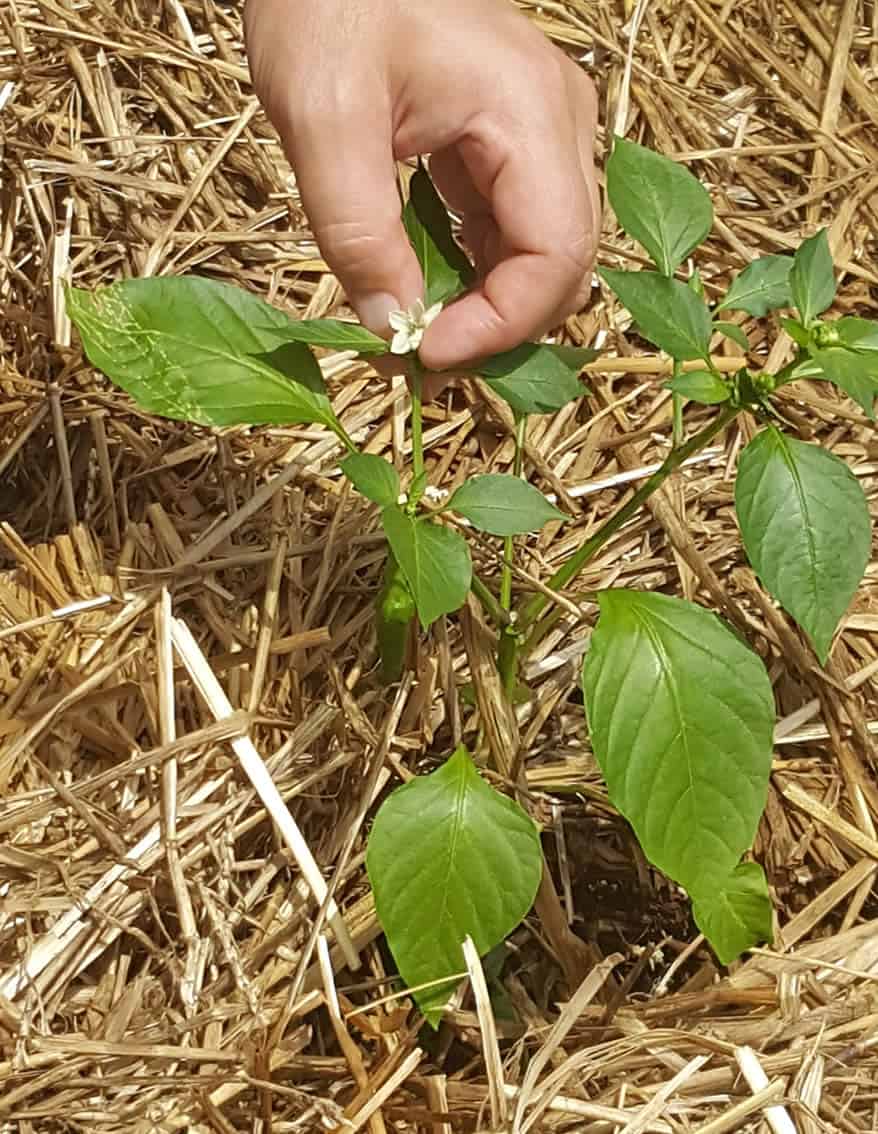
When the pepper plant is about six inches high, clipping the growing tip will result in a bushier plant. Remove any flowers that appear early, as the early flowers diminish the plants overall energy.
Got any further questions? Ask away! I'm happy to help. Feel free to contact me anytime and I will do my best to answer your questions. -- Mike H.
Andy says
Hey. My chilli plant is growing really well, just over 2ft now and growing bigger by the day, however it is Yet to flower and start fruiting. For a while now the stem half way has been turning black but hasn’t stunted the growth. When can I expect the flowing and fruiting to begin and should I be more concerned about the blackening?
Andy says
The plant is in my conservatory which is warm and gets lots of natural sunlight and watered to make sure the soil is moist, but not water logged.
Michael Hultquist - Chili Pepper Madness says
Andy, when plants don't fruit it is usually due to temperature, so perhaps it isn't warm enough, though it is hard to say. Being in too small a pot could be an issue. You might try a good fertilizer. Stems can darken as they grow and strengthen. I wouldn't be concerned unless you see any sort of fuzzy growth, which could be infection.
Patty says
I am growing cayenne peppers. I planted them from seedlings in March and have a bunch of peppers but they are not turning red yet. I did a mix of good compost and soil plus feed. They get watered every 2-3 days with the irrigation system and get plenty of sunlight. This is the first year they are not red yet. Am I being impatient? Any suggestions?
Michael Hultquist - Chili Pepper Madness says
It sounds like you are doing things properly, Patty. Temperature could be a factor. If it is not warm enough, perhaps overnight, the pepper ripening could be held back.
Khalid Waliullah says
Hi there. Thanks for your awesome website. I've got a couple serrano plants that are in pots and are growing well, they're about 3-3.5 ft tall but with few leaves and flowers. There are some flowers at the tops of the plants, and they've started making maybe 2-3 peppers. Is it to late to pinch the flowers off? Should I harvest the peppers to make the plant grow more? Thank you for your help!
Michael Hultquist - Chili Pepper Madness says
Khalid, it really depends on the length of your growing season. If you have a long time left, which you very likely do, you can still pinch off flowers.
Robert Burns says
Hey Michael. Love all the tips and advice. Can I use artificial light to speed up growth. I live in Edinburgh and long hours of natural sunlight days can be few and far between. Many thanks.
Michael Hultquist - Chili Pepper Madness says
Robert, yes, artificial lights help people grow plants in places like basements or through the winter. I have not personally used them, but definitely something for you to look into.
Robert says
Hi Michael. Just to revisist my original question about artificial lights. This us my second year of using lights and I have to say it has been very successful. The amount of fruit on my plants has exceeded all my expectations. Also plants I've had difficulty growing in the past IE Trinidad Scorpions, have flourished under artificial lights.
Mike Hultquist says
Thanks for sharing, Robert!
Tony Drognes says
Hello.
I have one 3 year old chilliplant in my window. Last year the fruits was really hot and spicy, but this year they hardly taste anything.
Last season there was lots of aphids on the plant, but I got rid of them. And I got new plantlights from Ikea.
Why is the taste gone?
(I live in Norway)
Michael Hultquist - Chili Pepper Madness says
Tony, many chili pepper plants can be overwintered and last to produce another season (or more), but growing conditions and overall plant health can affect the quality of the pods. There are many possible reasons that could affect the flavor of your pods. Perhaps the soil conditions or fertilizer or just the age of the plant.
akansha chandra says
Hi, i live in India and right now the temperature over here is between 35 to 40 degree Celsius. My chilli plants are growing quite well but they are not producing much fruits. All d plants are under direct sunlight and are given required water (nvr over watered). I did harvest chillies from them in MARCH but now m not getting much chillies. Hardly 3 or 4 out of every plant. Could you please help me with the reason that why m i not getting fruits from them. Is 40 degree Celsius too much for them, do I need to keep them in partials shade or is there any other reason. TIA
Michael Hultquist - Chili Pepper Madness says
Akansha, if your pepper plants are flowering but not producing peppers, temperature may be a big factor. Peppers thrive at daytime temperatures of 70-85 F (21-29 C) and nighttime temperatures of 60-70 F (15-21 C). Pepper plants do love a lot of sun, at least 6 hours, but the heat can hinder growth.
Steph says
Is 2016 red Chile pepper seeds too old? I found them in my old bag.
Michael Hultquist - Chili Pepper Madness says
Steph, seeds are usually still good for a year, and some for 2 years, but after that they start to lose their viability. They might produce, but fresher seeds are better. Worth a try, maybe.
Steven RömHead says
Hello sir! My habanero plants are about 12"-14" tall right now and they're already starting to produce baby peppers - should I pinch these off? Seems REALLY early for peppers to be produced!
Thanks for all the work you do for us hot-heads out here 🙂
Michael Hultquist - Chili Pepper Madness says
Hello, Steven! Thanks so much. You can pinch them off, or at least some of them, to allow the plant to grow larger. It will produce more pods in the long run. Let me know how it goes for you! Good luck with the habaneros!
Steven RömHead says
Thanks a ton for that info. I'm definitely growing these for maximum overall output, so I pinched most of the little buds... Except for one, which had already started growing into a full-blown pepper. I can't resist the temptation of having a freshly picked habanero sooner than later 😀
Michael Hultquist - Chili Pepper Madness says
I hear you there, Steven! Good luck with the growing season!
Aanya Shah says
Hi, I planted Chili Pepper Seeds in a pot a couple days ago. How often should I water them?
Michael Hultquist - Chili Pepper Madness says
2-3 times a week is sufficient for seeds. Be sure to have good drainage and don't soak the soil.
Peter Carson says
Hi Mike,
I have about 30 plants growing in my window sill and they are all healthy, I am wondering how often if I can would I add tomato feed to the water for watering the chillis.
Kind Regards
Peter
Michael Hultquist - Chili Pepper Madness says
Peter, you can use tomato feed for pepper growing, but beware of high nitrogen content, which can cause good growth but at the expense of pepper fruit.
Al says
Hello Mike,
Thank you for a very informative web site.
I have successfully grown jalapeno chilies for two or three seasons. This season I was given some "Wildfire" seeds from a friend, I sprouted the seeds and planted the seedlings about mid September, (I'm in New Zealand, that is the beginning of Spring). I expected to harvest around early / mid March.
I have very healthy plants with LOTS of fruit, but (there's always a but), none of the fruit is even looking like it's going to go red.
The weather is now starting to become cooler, and I'm concerned I will have to harvest green chilies, as they are in a garden bed bringing them inside is not an option.
Should I just leave them and hope they go red? Will the cooler weather harm them? Or is there some "magic" I can perform to force them to go red?
Any advice is appreciated
Michael Hultquist - Chili Pepper Madness says
Hello, Al. There isn't any special way to get the peppers to ripen more quickly on the plant, other than making sure the plant is happy, well fed, good soil, etc. If the climate is rough, the plants might not produce as much or ripen fully. The cooler weather won't hurt the plants, but may slow things. Frost is what you want to watch out for, which will kill the plants. You can pick the peppers and ripen them on a windowsill, or place them in a paper bag with a ripe tomato, which can help speed up ripening. Let me know if any of this works for you. Good luck.
William says
Hi Mike,
Thanks for the great information.
I have three 6-packs of pepper plants ready to transplant - bell, jalapeno, and anaheim.
There is room to plant 3 feet apart.
What is the preference when there is please of room?
How far apart in your garden generally?
Or does it depend on type of pepper?
Thanks,
William
Michael Hultquist - Chili Pepper Madness says
William, if you have the room, 3 feet apart is best to give them plenty of room to grown. Good luck!
Jordan says
Hi there,
Just wondering if my chilli's would grow better planted in the ground in a spot that gets sun for only the first half of the day, or if they would do better in pots with me shifting them around into the sun (I do not have much room where I currently live). I live in New Zealand and have jalapenos in 15L pots and Red Thai Birds in an 11L pot. My jalapenos only seem to grow to about 2 inches and the thai birds so far have only produced to about 1 inch and smaller with an abundance of flowers and tiny fruit that dont seem to be growing to the size they should.
please help! thanks!! 🙂
Michael Hultquist - Chili Pepper Madness says
Hi, Jordan. It's hard to say, as there are many factors that can affect growing conditions, though I have found it more difficult to grow in pots. I'd certainly give it a try, though, if possible, or do both and wee which plants perform the best.