

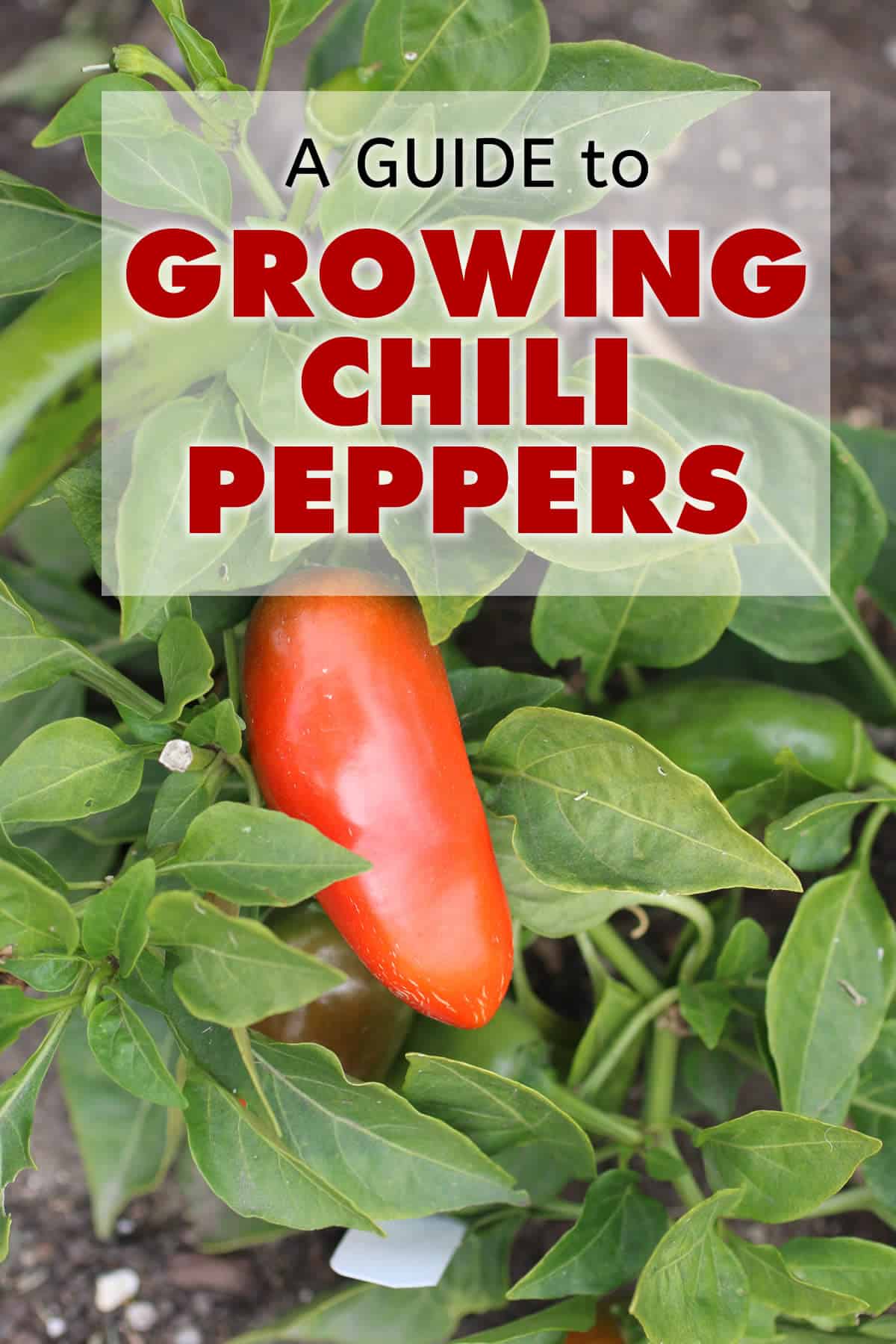
This guide will show you how to grow chili peppers of all types in your own home garden and includes answers to many of your growing questions, such as pepper plant spacing, sun needs, length of growing season, chili pepper growing tips and more.
Let's talk about growing chili peppers. Chili peppers start off a bit slow, so it is helpful to start to grow your plants indoors a few weeks (anywhere from 8-12 weeks) before transferring them outside. Keep the early soil and budding plants constantly moist, but do not over water.
Keep them warm (80 -85 degrees F is best) and in a sunlit place. If this is your first time growing your chili peppers from seeds, learn more about growing chili peppers from seed.
Once there is no worry of frost, you can plant your pepper plants to your garden or chosen spot. Choose a location with full sunlight, as chili peppers LOVE the sun. Mix in some mushroom compost or other organic compost to make the soil fertile and moist.
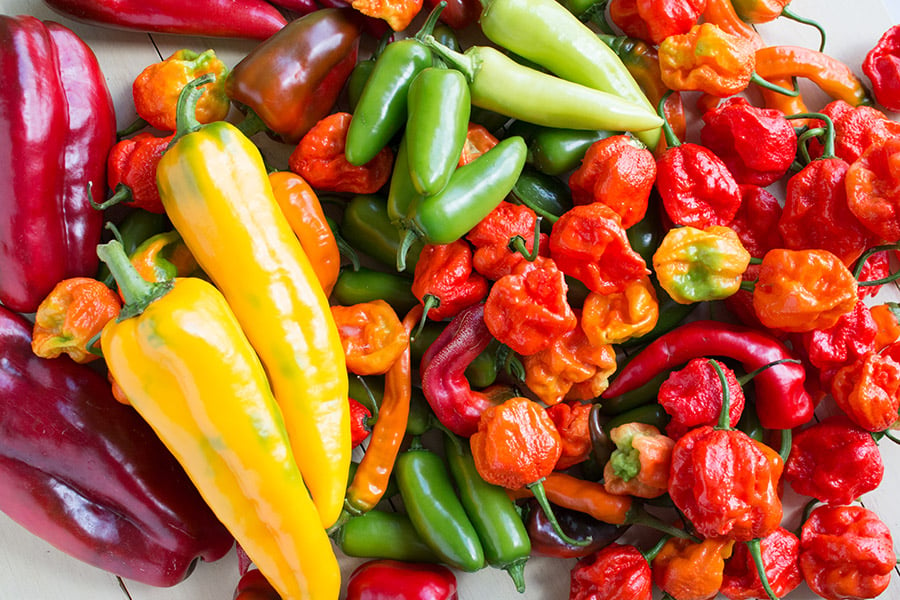
How much space do peppers need to grow?
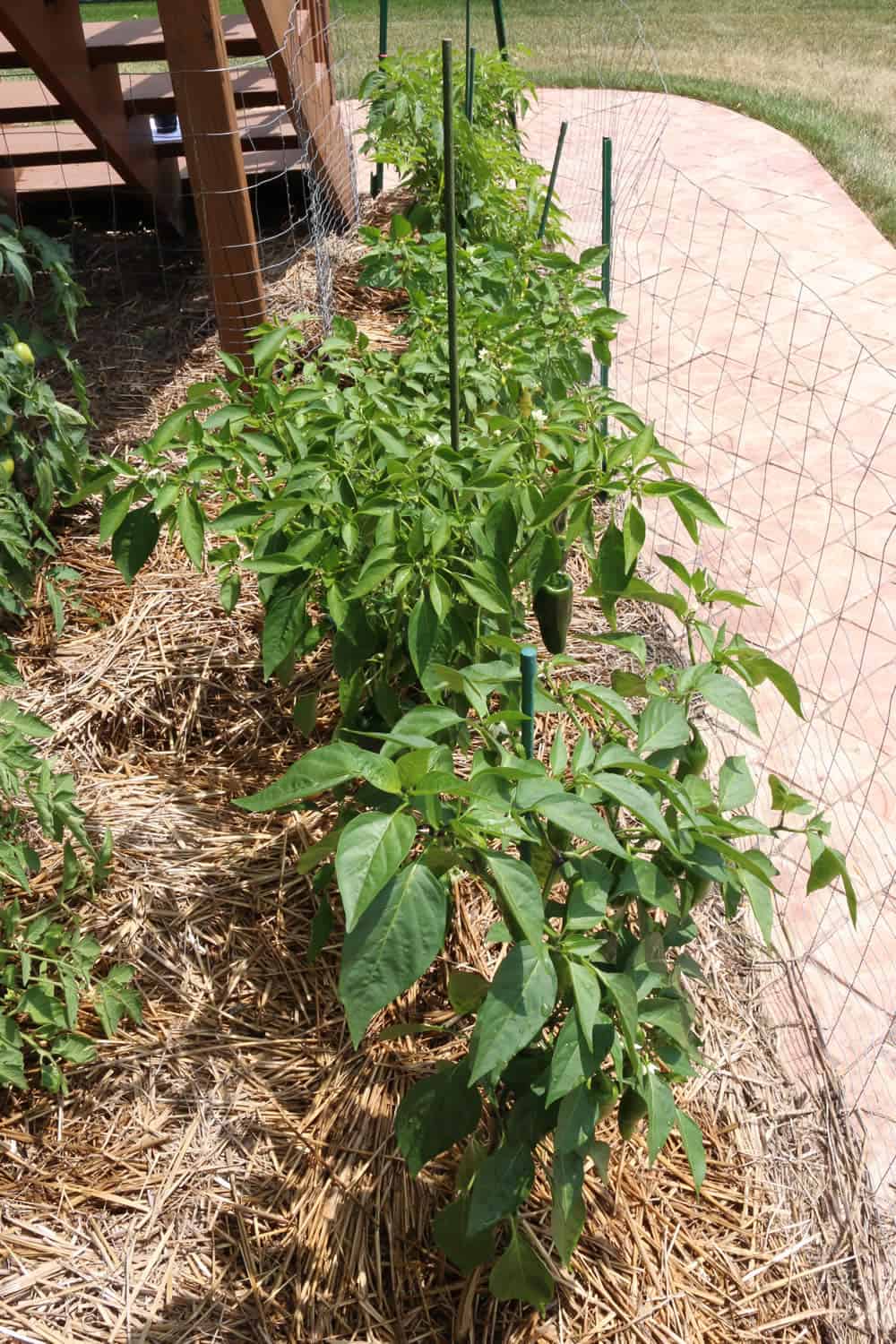
Space the chili pepper plants 18 - 36 inches apart with about 2 -3 feet between rows. The plants will eventually grow to nearly 3 feet high.
Water! Keep the soil constantly moist, but not soaking wet. Chili peppers love water as much as they love sun, but you don't want to inundate the plants, or you run the risk of rotting. Water every other day or every third day. Include a good plant food product. Learn more about growing chili peppers in the ground or garden.
Keep your chili pepper garden well weeded. You don't want nasty weeds stealing the water from your chili peppers.
Learn more about growing and harvesting chili peppers through the links below, including:
Best Soil for Growing Chili Peppers
Choose a good quality soil or potting mix for growing your pepper that allows for good drainage. Add compost or manure before planting if you’d like.
Watering Your Pepper Plants
As with growing chili peppers in general, keep the soil moist but do not overwater them. For pepper plants in pots or containers, do not let the soil dry out completely. When peppers start to grow, cut back on your watering schedule a bit, but again, do not let the soil dry out.
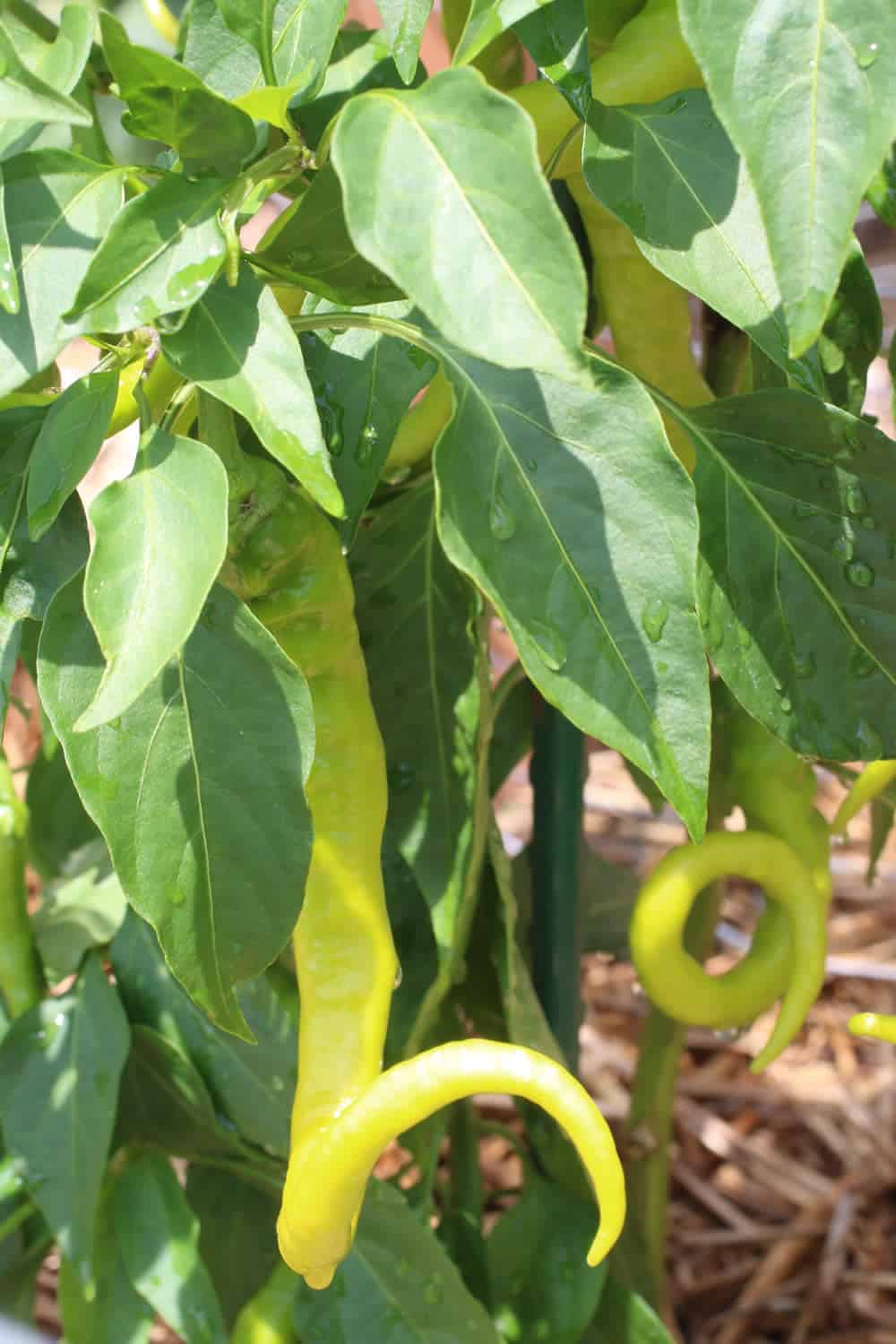
Optimal Growing Temperature for Growing Chili Peppers
The ideal growing temperature for chili pepper plants is between 70-90 F (21-32 C).
Best Fertilizer for Growing Chili Peppers
Tomato fertilizers work well for chili pepper plants, as do compost and well-rotted manure. A good 5-10-10 fertilizer is usually sufficient for peppers. Work it into the soil before transplanting, about 3 pounds per 100 square feet. We use a solution of fish emulsion and seaweed.
Once the peppers begin to appear, fertilize one more time. You can also use manure or compost, which releases more slowly into the soil. Much, however, is affected by your soil, so you may want to consider a soil test if you are having issues.
Diseases and Pests That Affect Pepper Plants
Stay vigilant with your pepper plants. Keep a constant eye out for common diseases like bacterial spot, mildew or rotting. Pests like aphids or spiders are common as well, so watch out for them.
Frequently Asked Questions about Growing Chili Peppers
I get a lot of questions about growing chili peppers. Here are some of the most frequent.
Do chili plants need sun or shade?
Chili peppers grow nicely in full sun. They will grow in partial shade, but they won't be as productive. A sunny spot is best. I have very successfully grown many varieties of chili peppers under my backyard deck, which is about 12 feet high. There is partial shade, but the garden gets a good dose of sunlight, so they grow very well.
How long does it take to grow peppers?
The length of growing time for chili peppers varies from pepper to pepper, though most mature in 60-150 days, which is a big range. Sweeter peppers typically mature in 60-90 days, with hotter peppers taking longer.
Consider, though - the number of days to maturity noted on seed packets means h the days after transplanting until the pepper plant bears mature peppers. It does not take into consideration the time it takes from planting seeds to growing into a seedling that you can transplant, which is about 8-10 weeks, so keep this in mind.
How long does a pepper plant take to bear fruit?
The length of time for chili pepper plants to start bearing peppers varies from pepper to pepper, though most mature in 60-150 days, which is a big range. Sweeter peppers typically mature in 60-90 days, with hotter peppers taking longer, up to 150 days.
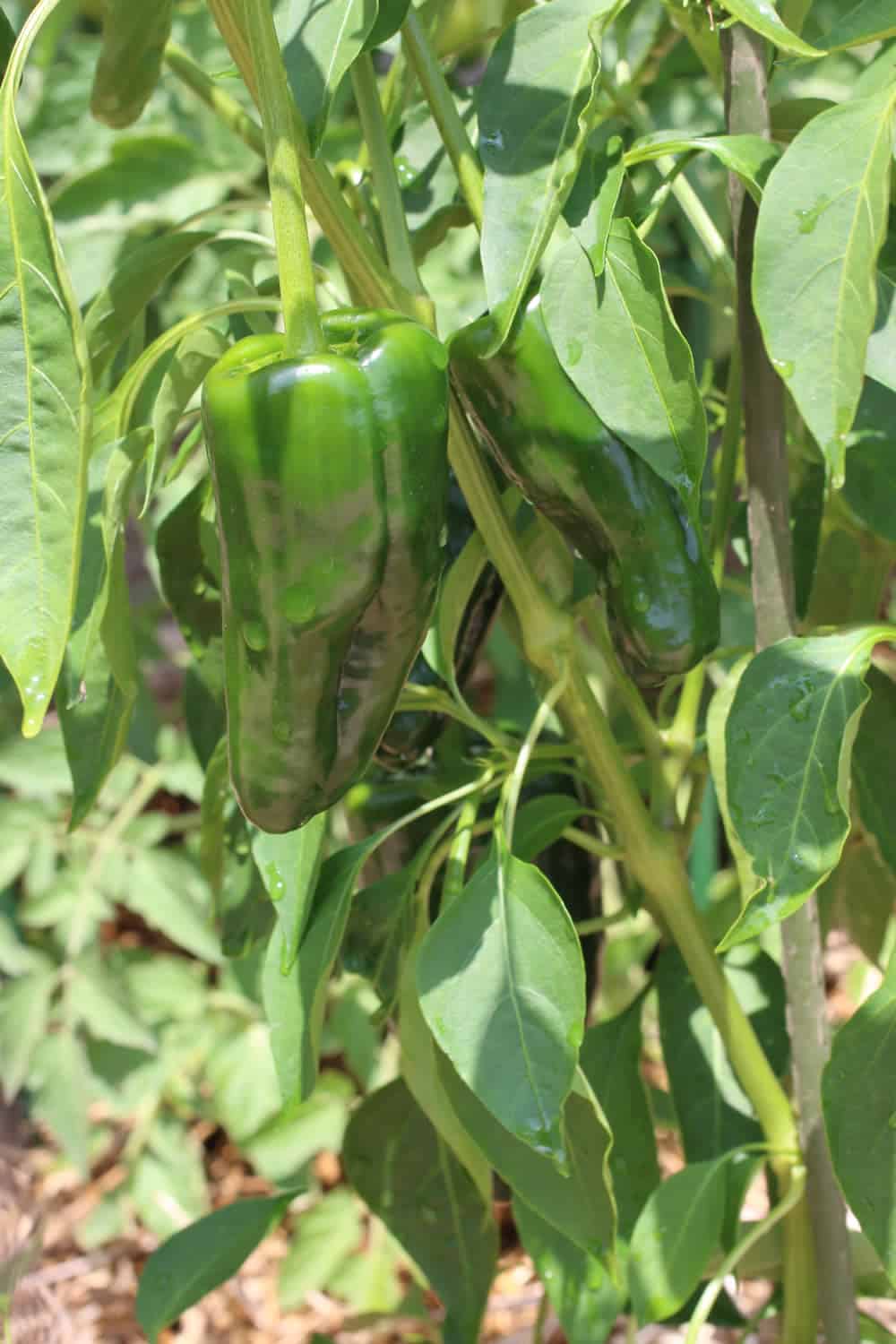
What is the best food for chili pepper plants?
A good 5-10-10 fertilizer is usually sufficient for peppers. Work it into the soil before transplanting, about 3 pounds per 100 square feet. We use a solution of fish emulsion and seaweed.
Once the peppers begin to appear, fertilize one more time. You can also use manure or compost, which releases more slowly into the soil. Much, however, is affected by your soil, so you may want to consider a soil test if you are having issues.
How long can you keep chili plants?
Most chili pepper plants will only last a season in your garden, but if you transplant them and bring them indoors, and treat them to good conditions, you can keep them through the year and possibly longer. Some people have reported keeping their pepper plants for 3 years or longer.
Can you save seeds from your chili pepper plants and use them to grow plants later?
Absolutely! As a chili pepper grower, you may want to save the seeds from your current batch of chili peppers rather than purchase new seeds each year. Saving seeds also saves money, and ensures your harvest will include your very favorite peppers from season to season.
Luckily for us, chili peppers lend themselves to easy seed saving. Harvesting the seeds is a simple process, and they require very little effort to dry and store.
Learn how to save seeds from fresh peppers to grow later.
Chili Pepper Growing Tips
For successfully growing peppers, keep these growing tips in mind.
Do Not Over Water Your Pepper Plants
Pepper plants love their water, of course, and they need a steady supply, but peppers won't grow well in overly saturated soil. It waterlogs their roots. Use soil that retains moisture yet has proper drainage. Mulch is useful to prevent water evaporation.
If you are uncertain about watering, don't. Never over-water. Most diseases and growing problems are due to overwatering.
Do Not Overfertilize Your Pepper Plants
Using a lot of fertilizer may help the pepper plant to develop bright leaves and flowers, but hinders pepper production. A good 5-10-10 fertilizer is usually sufficient for peppers. Work it into the soil before transplanting. We use a solution of fish emulsion and seaweed.
Pinch Your Pepper Plants for Bushier Plants
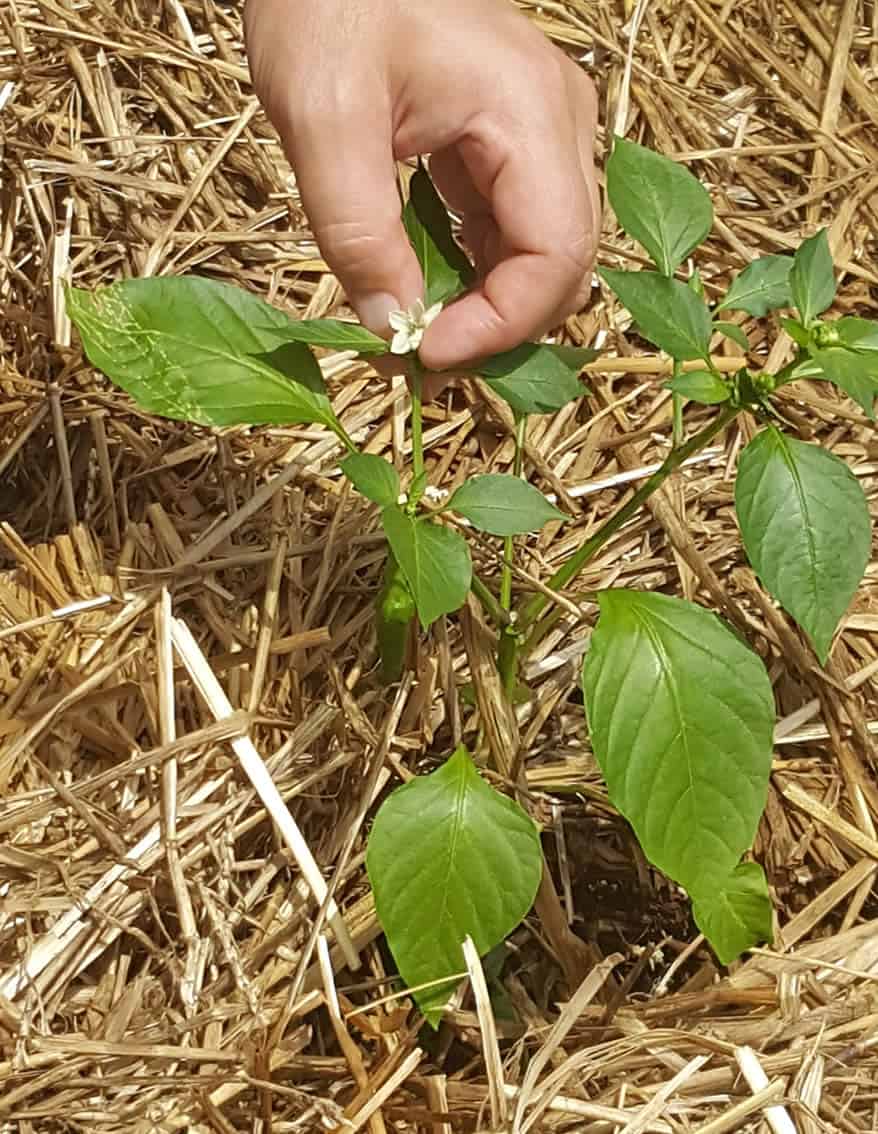
When the pepper plant is about six inches high, clipping the growing tip will result in a bushier plant. Remove any flowers that appear early, as the early flowers diminish the plants overall energy.
Got any further questions? Ask away! I'm happy to help. Feel free to contact me anytime and I will do my best to answer your questions. -- Mike H.
Tammy Jarrett says
Mike, I have a mystery on my hands, I wonder if you have any advice.
First time growing Scotch bonnets, in a pot, just west of Houston, TX. The plant was doing very well, lots of leaves, lots of fruit. Then I went out of town, my husband set the sprinkler to water twice a day while we were gone. When we came back, the bonnet was dry - apparently the sprinkler wasn't watering it adequately (in a pot, these peppers require water daily right now, it's so hot!). Then a tomato hornworm attacked it, ate tons of leaves and some of the peppers too! I mean I have never seen a hornworm as big as this one, it was HUGE!
Anyway, one or both of these unfortunate events left most of the existing peppers on the plant shriveled, no matter their color. I gave up hoping I could rehydrate them and finally removed them. Newer peppers are nice and plump like they should be.
Question: should I throw the wrinkly peppers away?
Michael Hultquist - Chili Pepper Madness says
Sorry to hear, Tammy. That's a bummer. For the wrinkly peppers, they really are best used fresh. I personally would probably still use some that were only a little bit wrinkly, as I would hate to waste them. They could still be good for sauces or dehydrating. But if they are too soft or show any signs of rot, best if they are tossed. UGH.
Jeff says
Thanks Michael, your response was quick. I did just pick them unripe and made Spanish Pique sauce in 12 oz bottles. The different colors made them look interesting but need my ripe scotch bonnet for some punch. Once again thanks and good luck this year!
Michael Hultquist - Chili Pepper Madness says
Sounds great, Jeff. I do have some information on how to ripen unripe peppers, in case you need it for next time: https://www.chilipeppermadness.com/preserving-chili-peppers/how-to-ripen-unripe-peppers/. The pique sounds perfect! I love it.
Jeff says
Michael, I had a question about ripe fruit. I grow 4 different gardens for peppers. Sweet, 30-50,000 Scoville, scotch bonnet,and then a ghost pepper garden. All ripened and had a good yield with the exception of my 30-50,000 Scoville. That garden ( all 4 gardens grown in pots with same fertilizers) had a high yield but never ripened. Grew tabasco, cayenne, and 5 color Chinese peppers. 10th year pepper growing and that was the first time I went bust for a crop. Just wanted to know if this has happened to you, this year is the biggest effort with 19 varieties and 70 plants. Thanks for your time if you get this comment.
Michael Hultquist - Chili Pepper Madness says
Jeff, this is a tough one. I've had some pods that just took FOREVER to ripen, and my issue was the cooling weather. I had to pick them. Temperature actually plays a pretty big role in ripening, especially if it gets too cold. Daytime temps of 70-80 are very good for ripening. Could be those plants were just more sensitive.
Noah Fox says
Hi, I live in Houston Texas and it can get up to over 105 here, this is my first year growing chili peppers and I wondered if I should move my plants into the shade on days in the 95+ category, I’m currently growing ghost, banana, jalapeño, and red chili peppers.
Michael Hultquist - Chili Pepper Madness says
Noah, it could be a good idea, as plants can scorch if they get too much hot sun. Definitely keep an eye on them. Good luck!
Richard says
your information is exelent
Richard
Michael Hultquist - Chili Pepper Madness says
Thanks!
Jason Henry says
Michael,
I love growing peppers here in Oregon but this year it seems as they peppers I've grown have been really successful except for the fact that I have gotten very little heat with the peppers that I harvested. Jalapenos are flavorful but not hot, Red chili peppers the same, and I like them to have heat to them to spice up my pickled goods. Habaneros are coming ripe now but I'm afraid to test them, I grow them mostly for my friends. My question is, what helps make peppers hot when growing, is there anything I can do to help the process when growing or am I just getting bad seeds or starter plants?
Michael Hultquist - Chili Pepper Madness says
Jason, this isn't uncommon. Different factors can affect the pepper heat, including the strain you've started with and environmental factors, such as amount of water, soil pH, nutrients, air temps and more. You can try to stress the pods with a pH boost, little water and good nutrients. Much will come down to experimentation.
Stephen Mason says
Thanks for the advice on growing chilli peppers. I planted my cayenne seeds quite late in July but I’ve got nice plants now that are producing peppers very nicely. I have planted them too close together though. Hopefully we will have a warm autumn here in France so the plants mature in October. It’s hard to find hot peppers outside of the big cities here. Thanks for the advice.
Michael Hultquist - Chili Pepper Madness says
Good luck, Stephen!
Ken T Pepper says
Hi, Mike
Question? Have you ever grown Fish Peppers? I started 6 plants 3 months ago and the variegated ones have tiny round peppers while the semi variegated plants have nice 2-3" peppers. Taste wise they fall between a jalapeño and a serrano and thin flesh. I like them... I'm saving seeds a replant for sure. In my area bugs don't seem to like them... . Thanks Ken
Michael Hultquist - Chili Pepper Madness says
Hey, Ken. I grew these one year and did like them. So many great peppers out there!
Frank says
Hi Mike, I'm in Chicago, growing a whole bunch of different hot peppers. This spring I purchased four plants marked as Carolina Reapers and three marked as Trinidad Scorpions. The leaves of all are identical, as far as I can tell. The peppers of two of the Reapers are, for practical purposes, identical to the Scorpions, a deep green, while the other two are a light green, almost yellow, before they start to ripen to orange then red. Is this a natural variation in Reapers, and so of no concern when they turn red, or am I looking at two extra Scorpions, or something else entirely? Can you help me out?
Best regards,
Frank
Michael Hultquist - Chili Pepper Madness says
Hey, Frank. It's possible that you have different peppers, or hybrids of the reapers, though you can have variation from plant to plant. It will be easier to tell with the final pods. I wouldn't be concerned, as long as the plant and pods are healthy. I lived in the Chicago area for many years and have grown MANY peppers there. Enjoy them!
Jamie says
Hi Mike, love your site and I'm going to try a few of your recipes this weekend! Question on jalapeno plants - This is my first year growing any chili peppers and my jalapeno plant does not have nearly as many peppers as my habanero and ghost pepper plants, and all of the jalepenos that do grow are rotting on the bottom of the pepper, every single one that grows to a decent size has had to be discarded. But my habaneros and ghost peppers, which I expected to be more difficult to grow I can't even keep up with!
Michael Hultquist - Chili Pepper Madness says
Jamie, the issue with the jalapenos sounds like blossom end rot, which is a calcium deficiency. You should look into that. Good luck!!
Robert Wolin says
Hi Mike great website. I am in Los Angeles and my 3 chili plants are now bearing small peppers but it 100 degrees outside..what should I do; I can move them into the shade , they are in rather large pots? Thanks for your help
Michael Hultquist - Chili Pepper Madness says
Robert, too much heat and sun can be bad for chili plants. Keep an eye on them. If they show signs of stress or are not producing peppers, it would be a good idea to move them into a bit more shade if you can.
jeroen says
well I'am a beginning chilli grower but I find myself with the predicament with light that I have available. I put my chillies on the window sill but I 'am scared that they will need to stretch to get light. Is this a problem and if so could I solve this in a cheap way
Michael Hultquist - Chili Pepper Madness says
Jeroen, if there is enough light coming through the window, the plants shouldn't need to stretch. There are special growing lights you can purchase. I would look into those if you're interested.
Varsha says
Hi
Can you please help me my chilli plants have flowers but no chills on the plant .am I doing some thing wrong please advice
Michael Hultquist - Chili Pepper Madness says
Varsha, when plants don’t fruit it is usually due to temperature, so perhaps it isn’t warm enough, though it is hard to say. Being in too small a pot could be an issue. You might try a good fertilizer as well.