
Frequently Asked Questions
Got a chili pepper related question? Send me an email at mike@chilipeppermadness.com and I'll see if I can help!
-
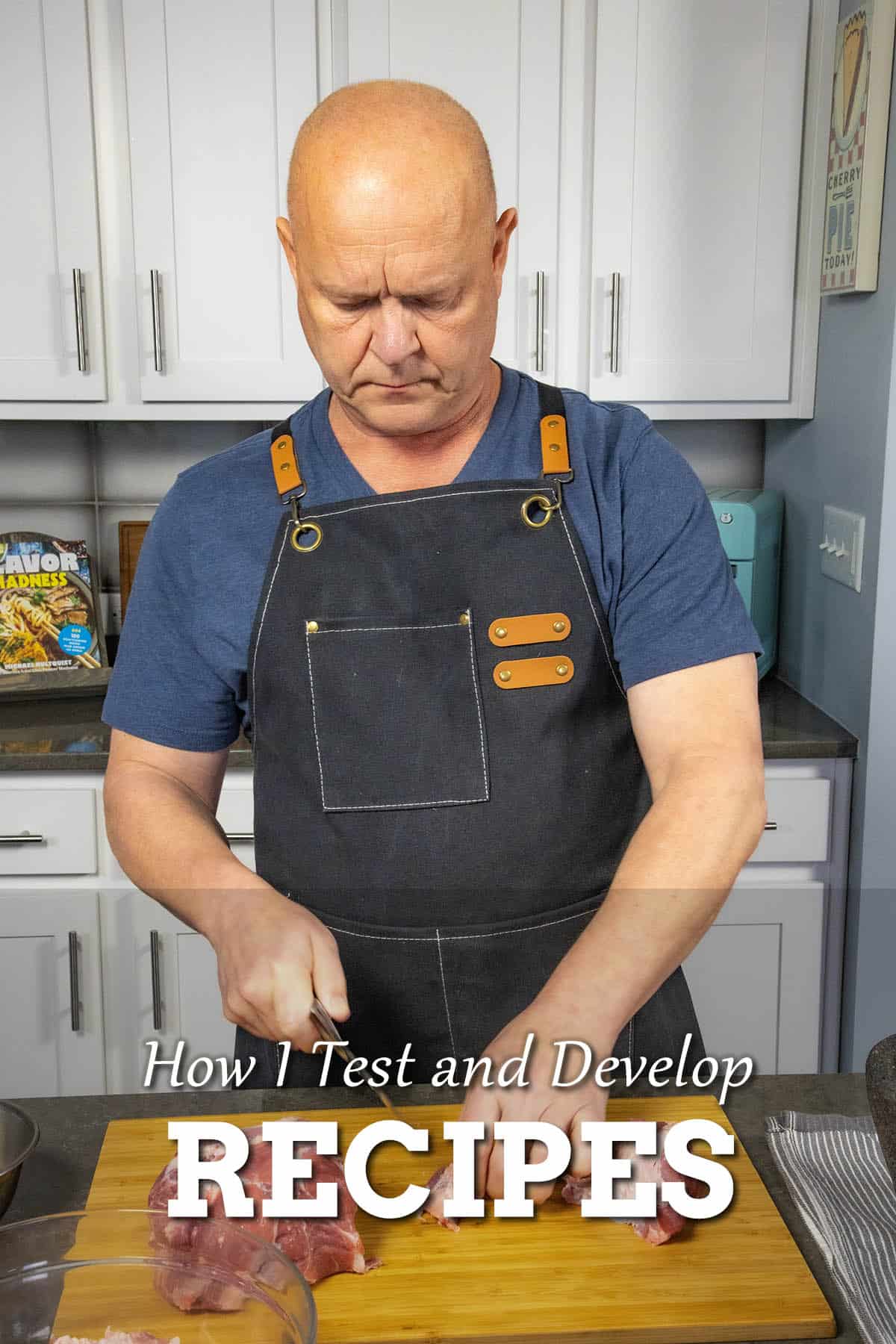
How I Develop and Test Recipes at Chili Pepper Madness
-
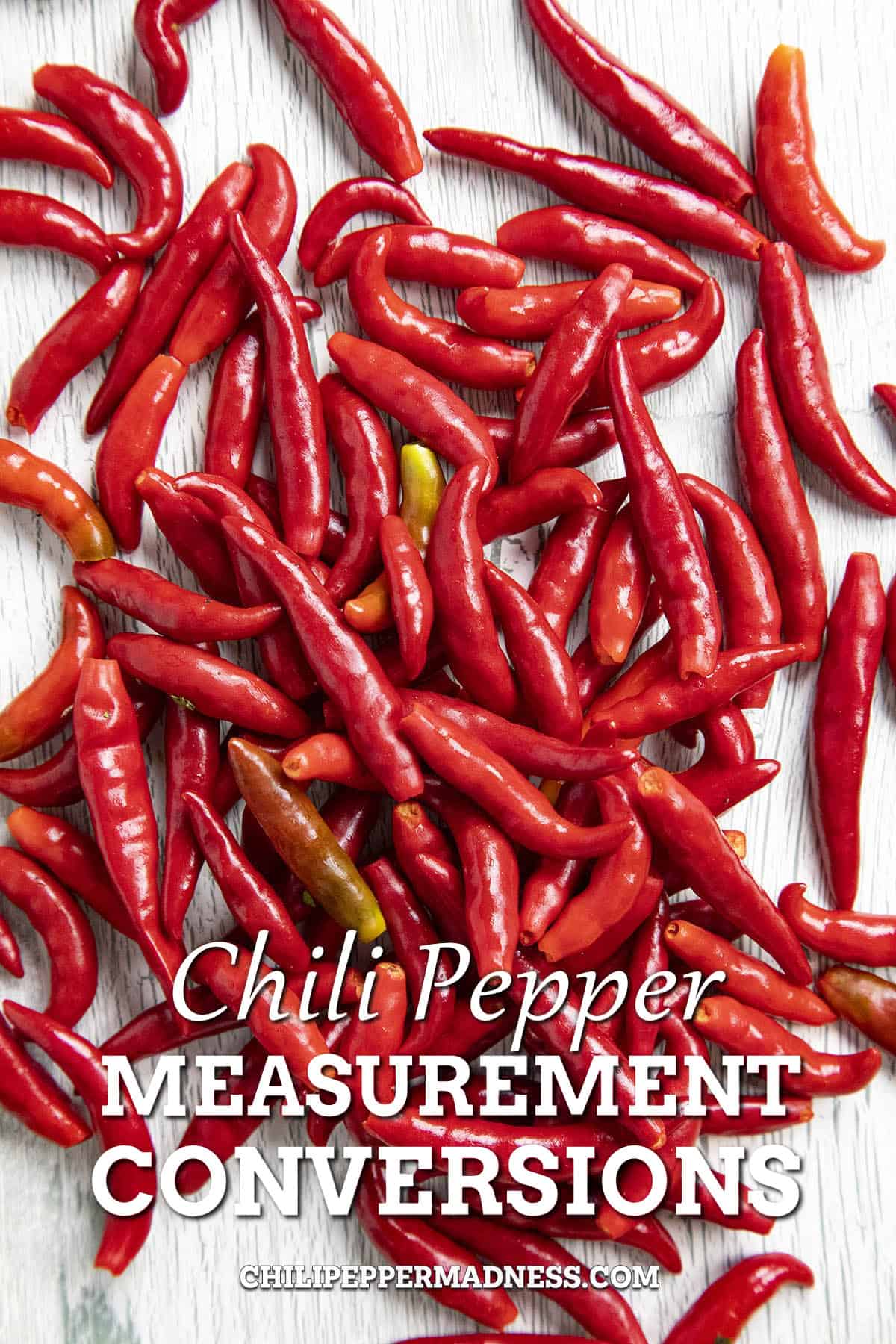
Chili Pepper Measurement Conversions
-
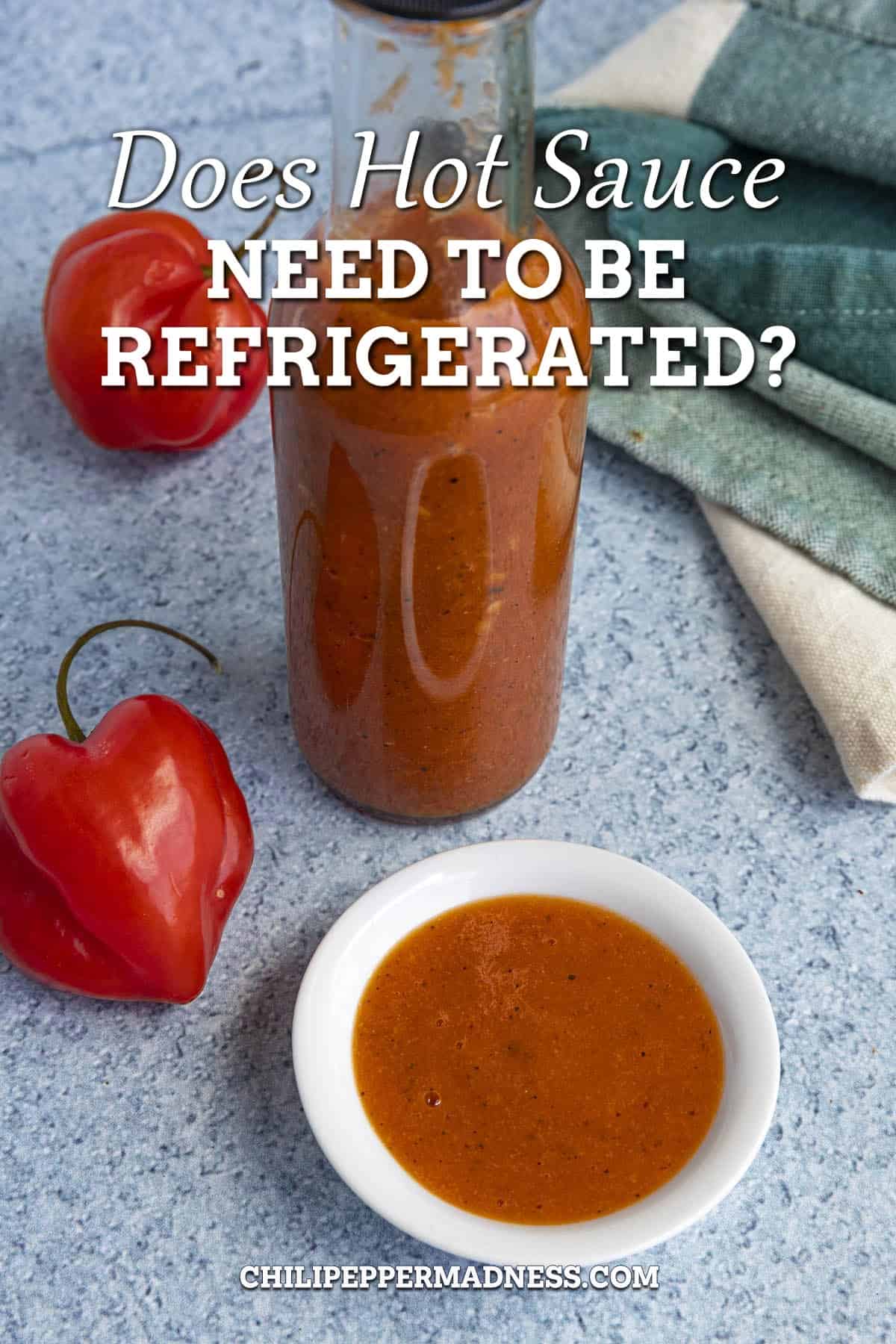
Does Hot Sauce Need to be Refrigerated?
-
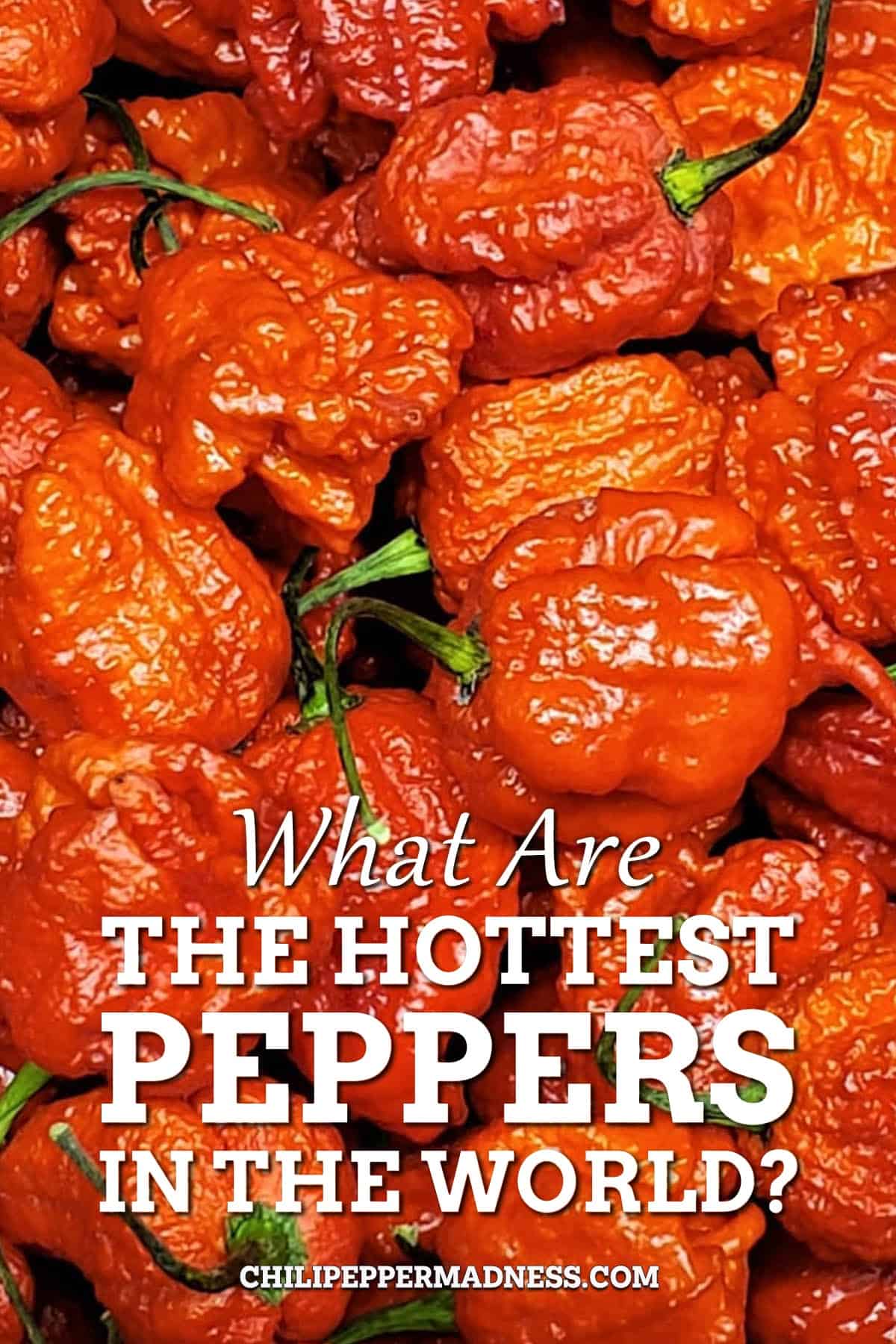
What are the Hottest Peppers in the World? 2025 List
-
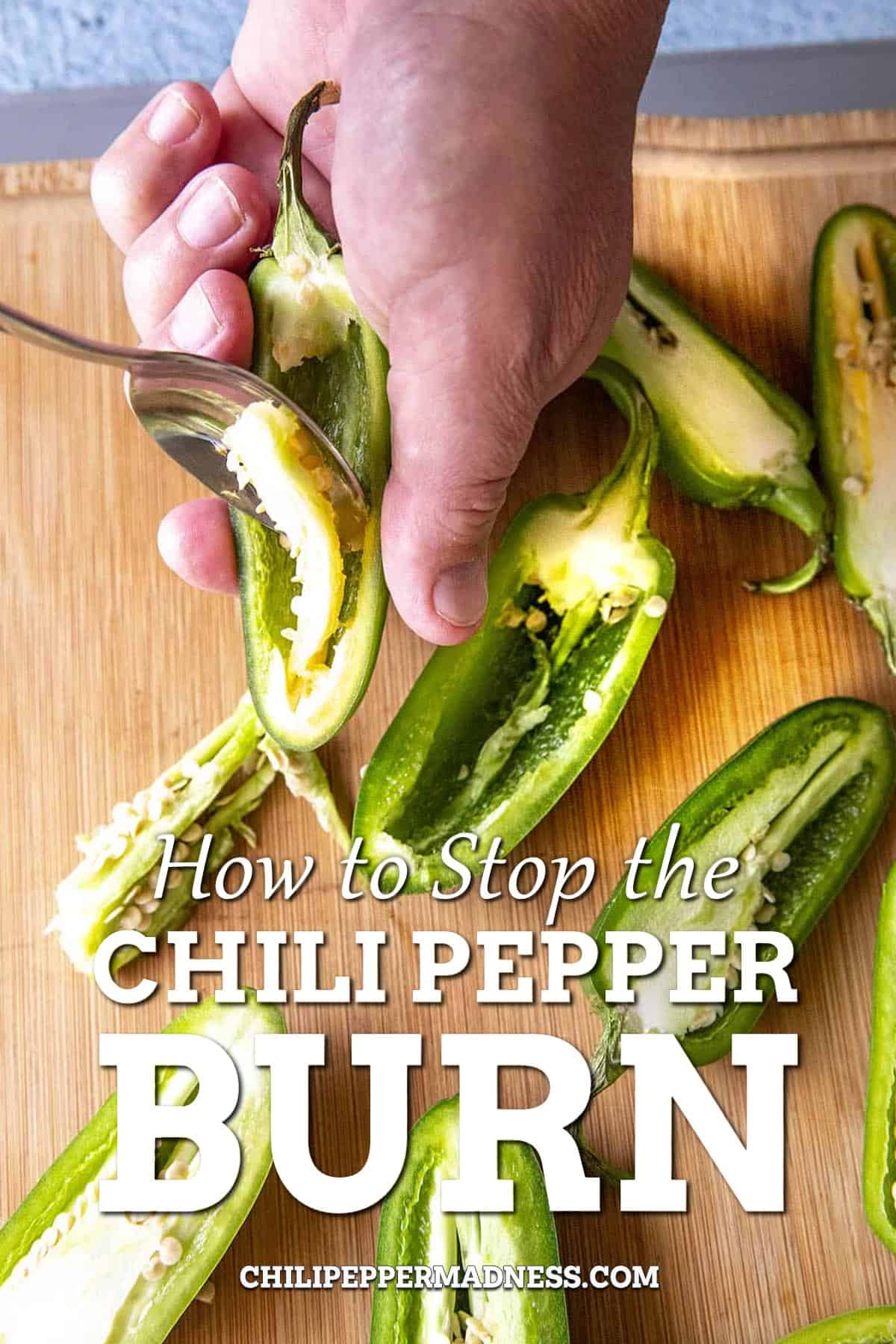
How Do You Stop the Chili Pepper Burn?
-
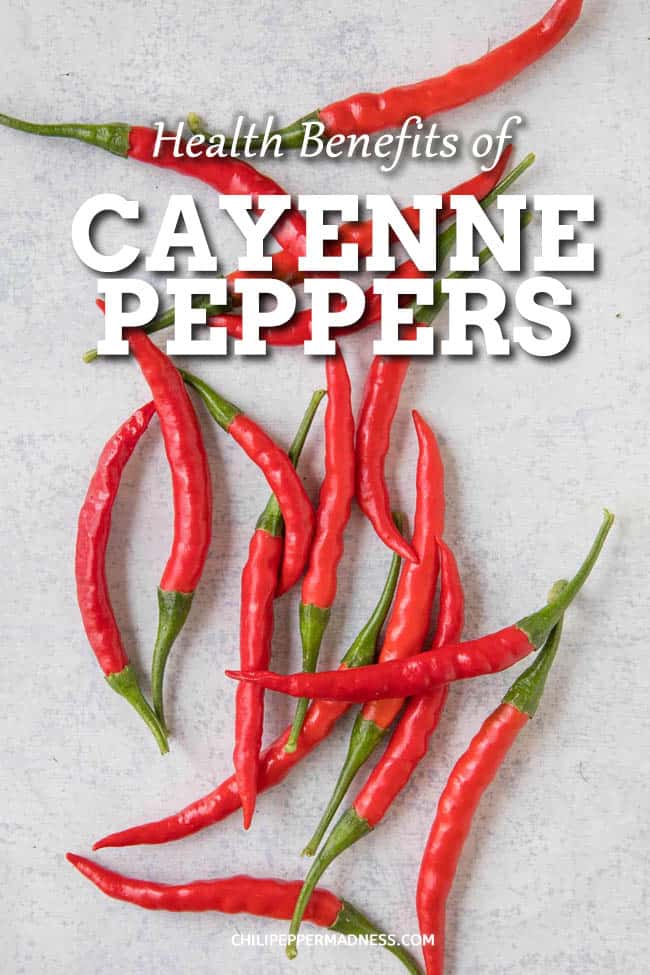
Cayenne Pepper Benefits
-
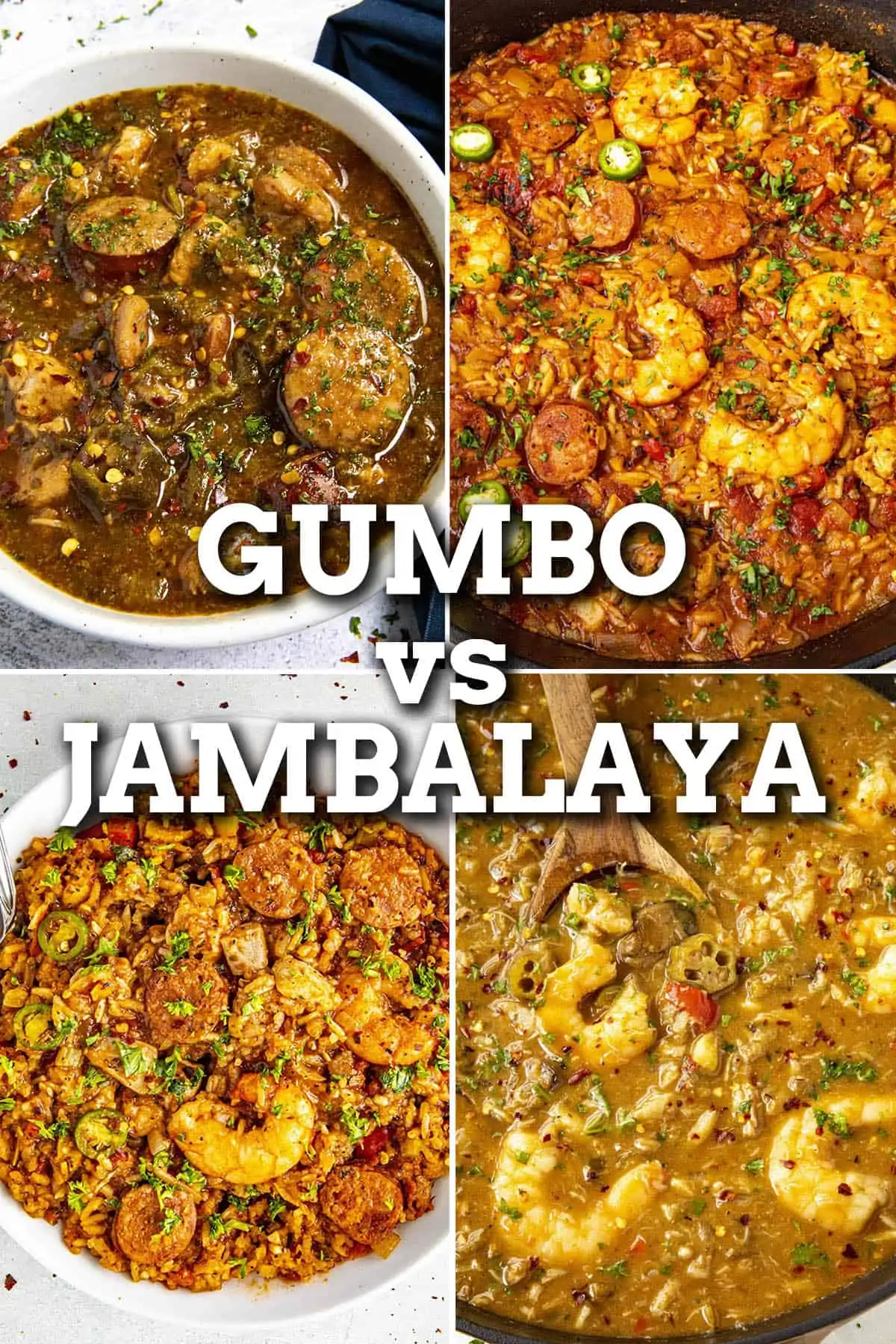
Gumbo vs. Jambalaya: What is the Difference?
-
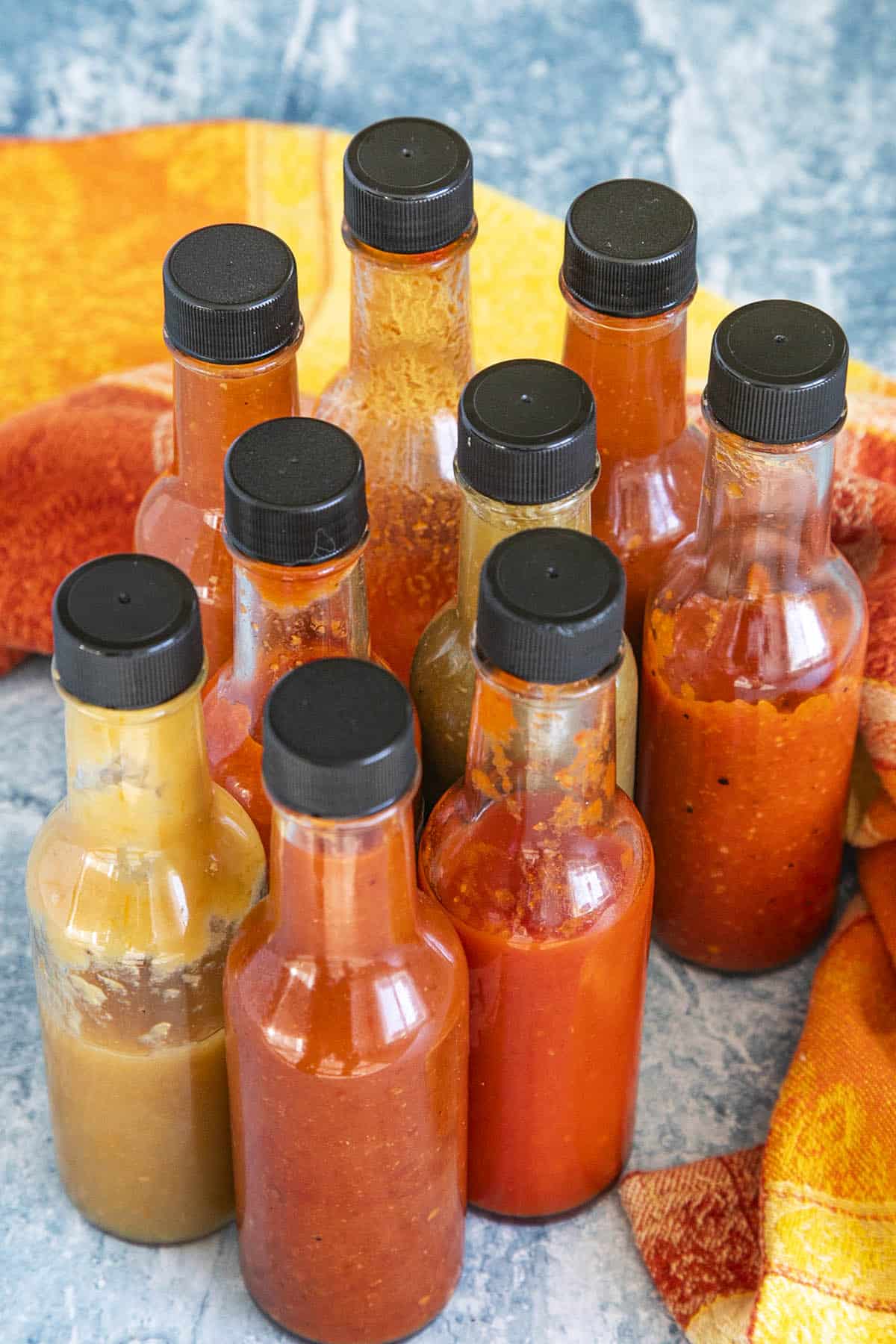
Homemade Louisiana Hot Sauce
-
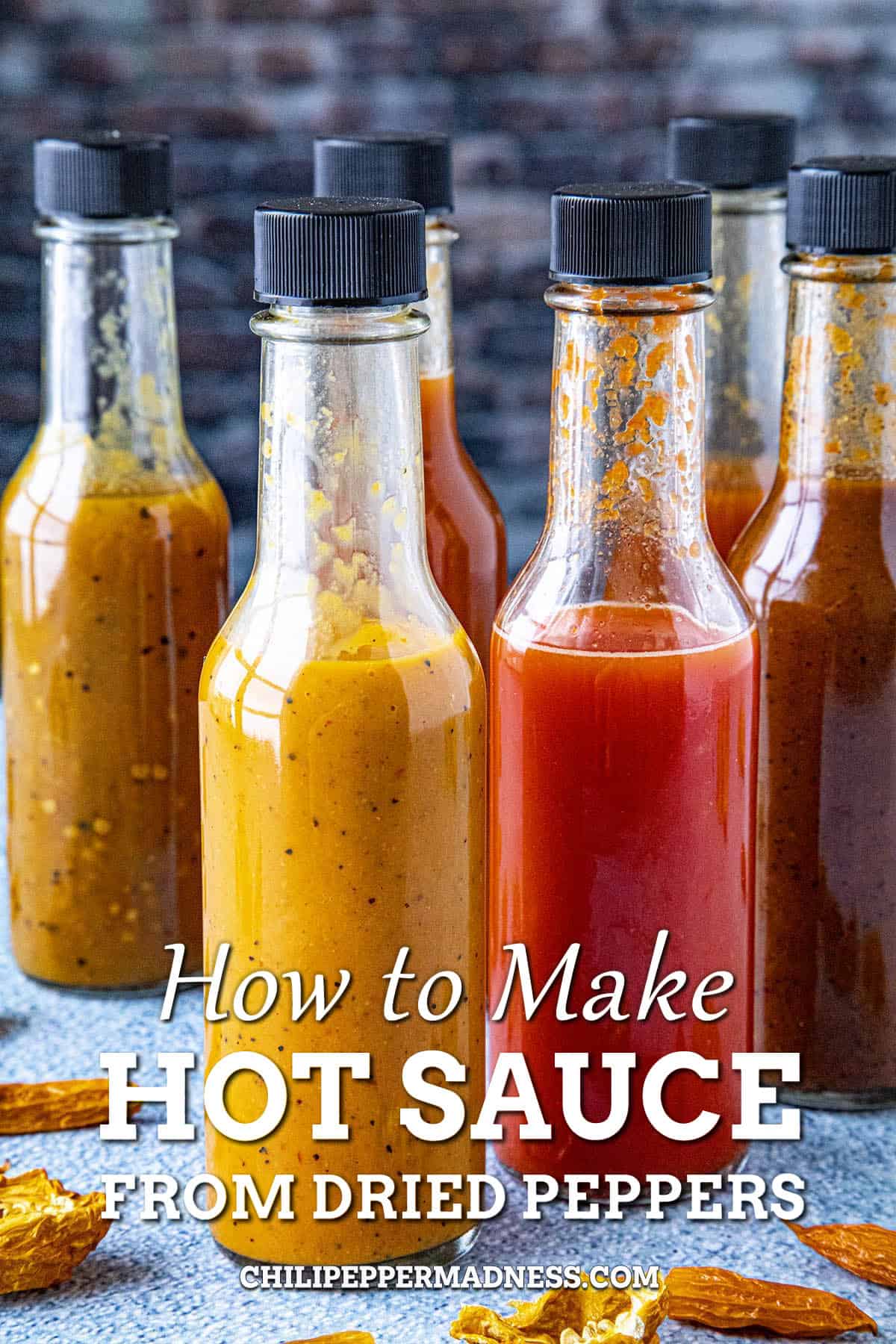
How to Make Hot Sauce from Dried Peppers
-
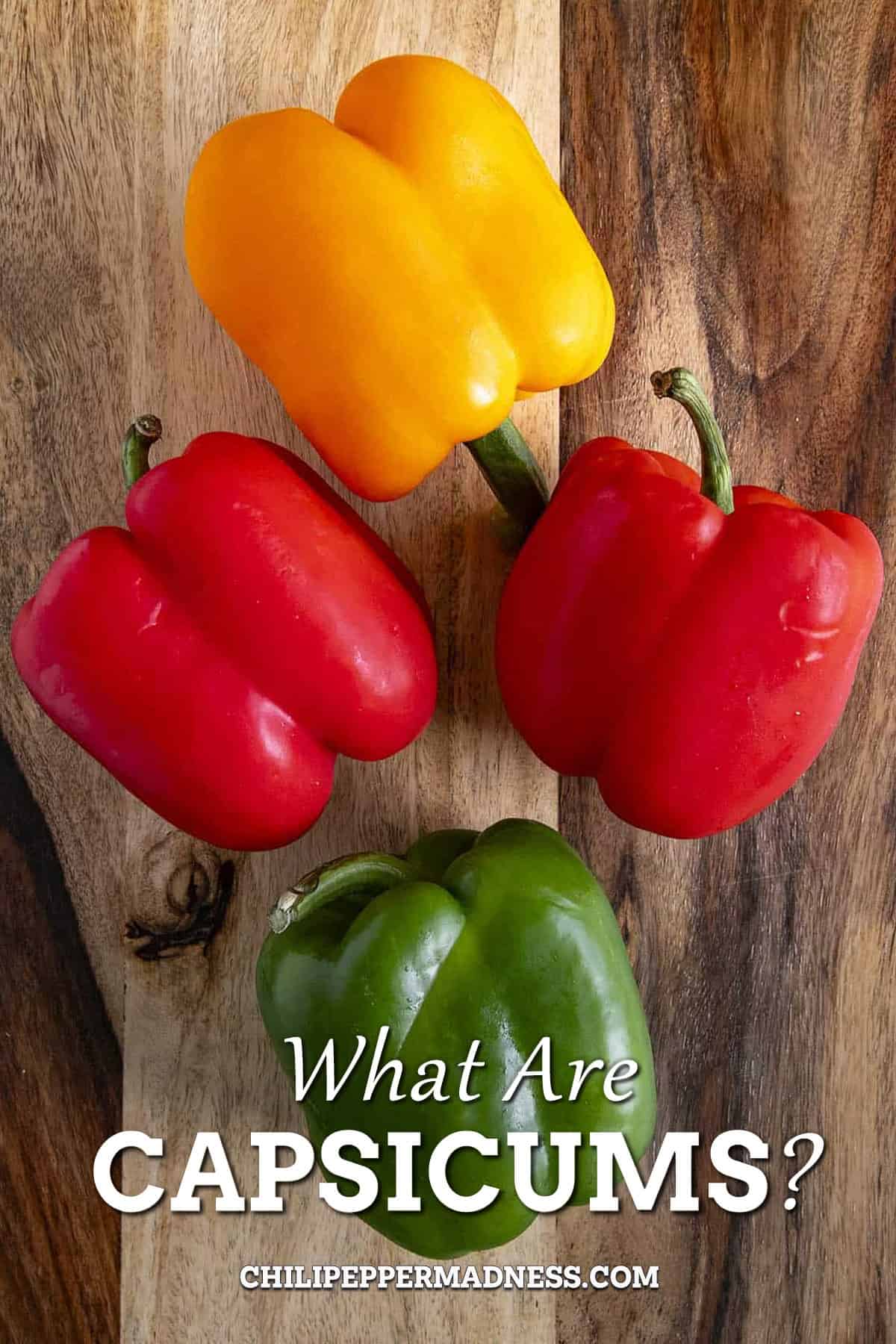
Capsicum
-
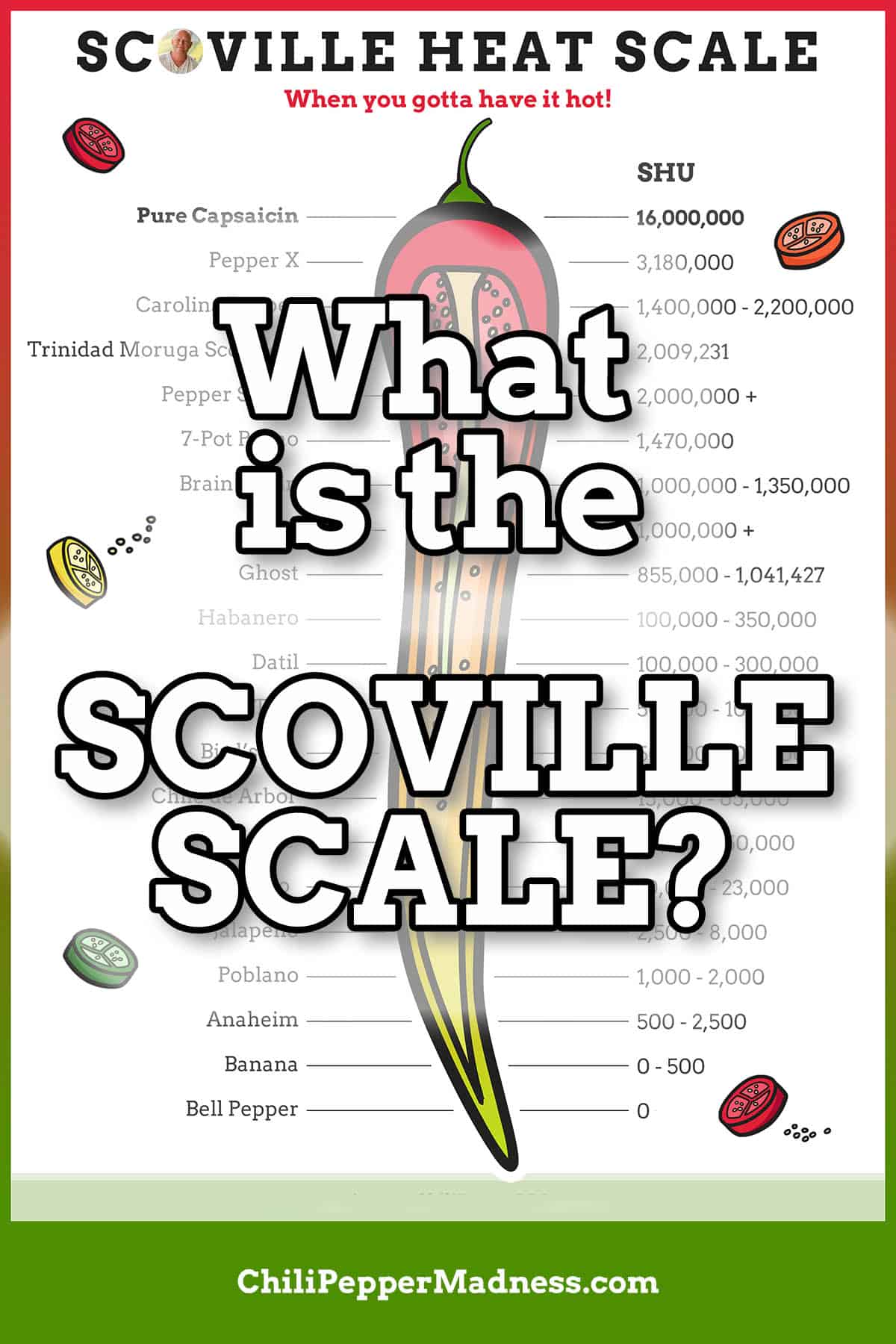
The Scoville Scale
-
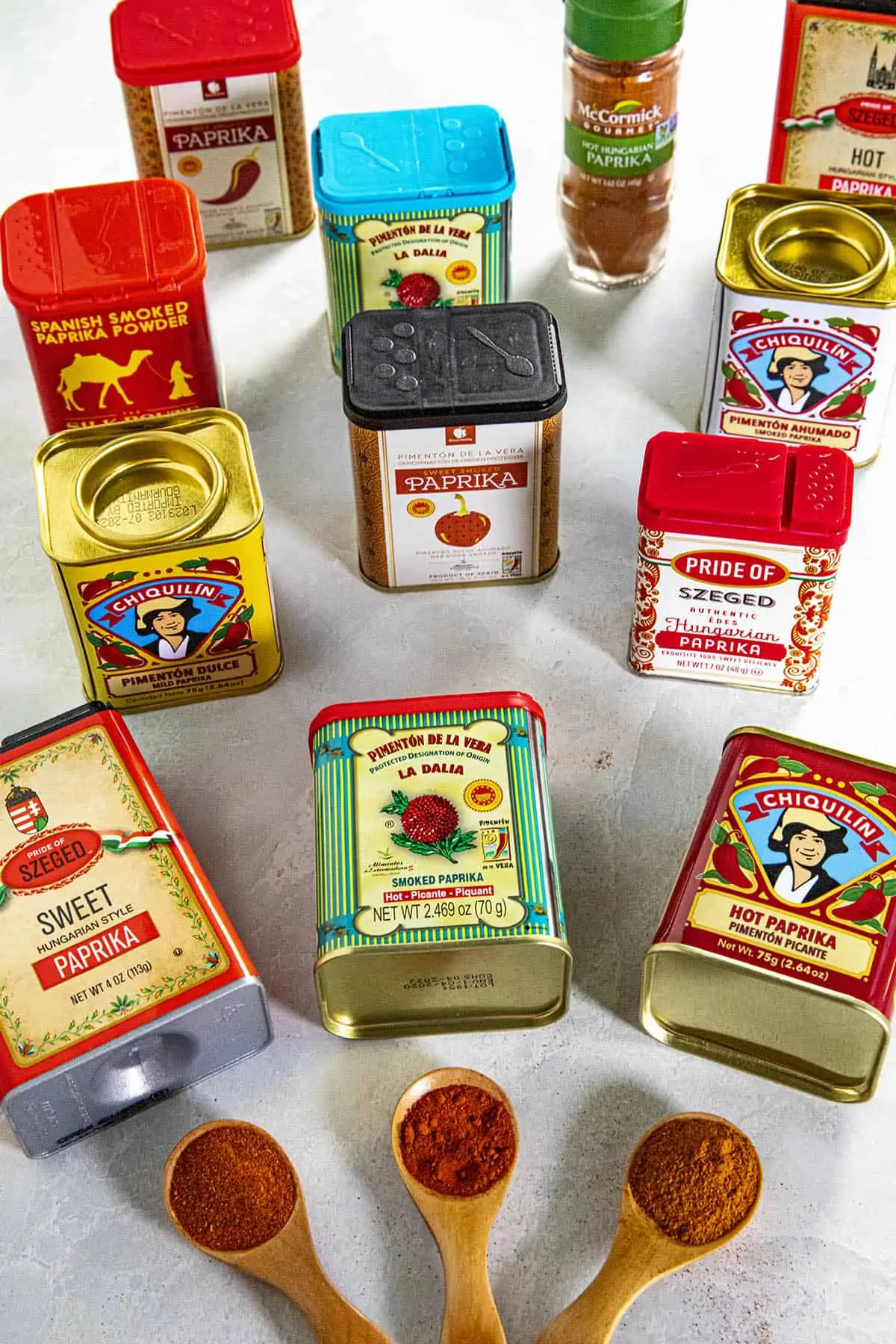
Paprika Substitute
-
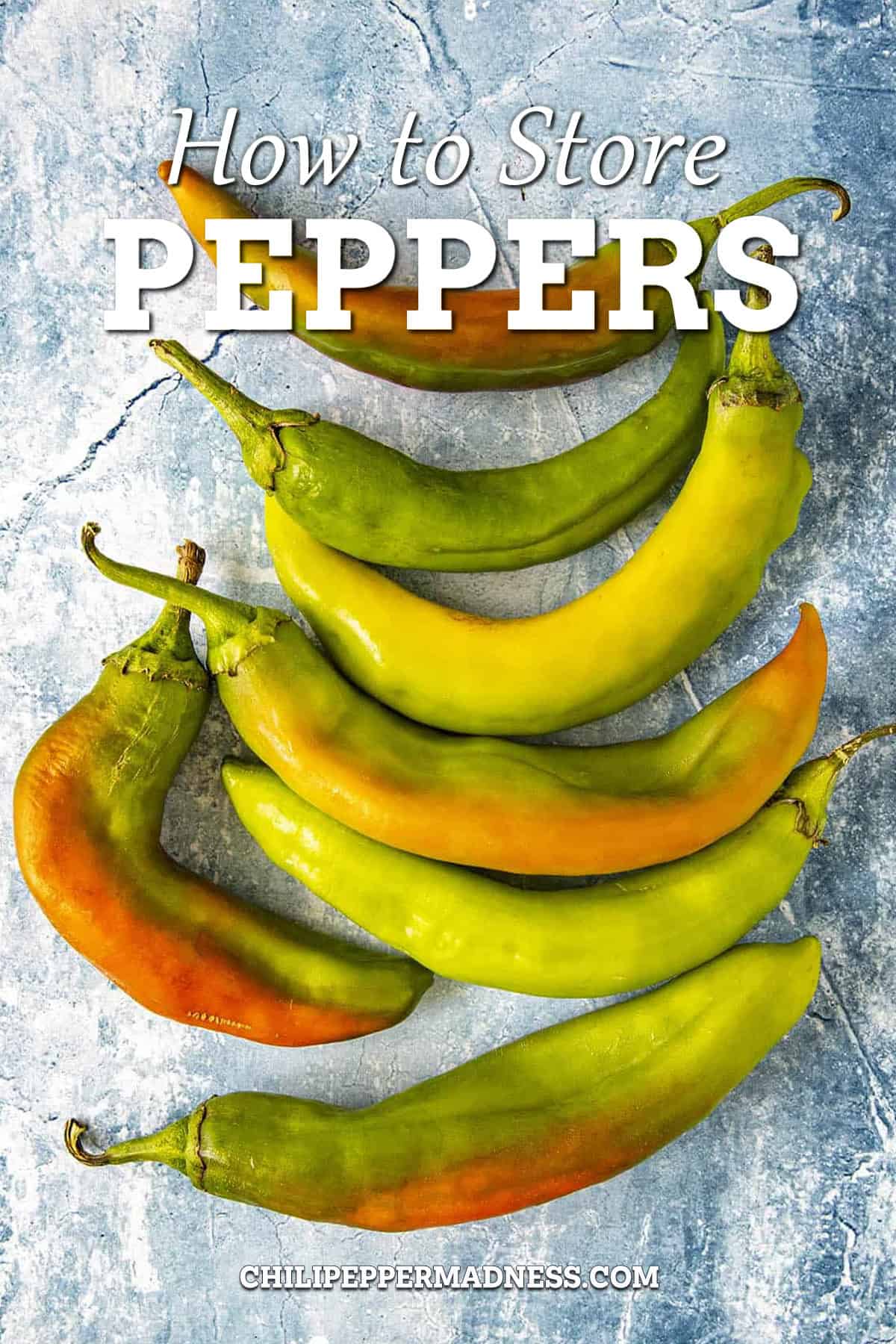
How to Store Peppers
-
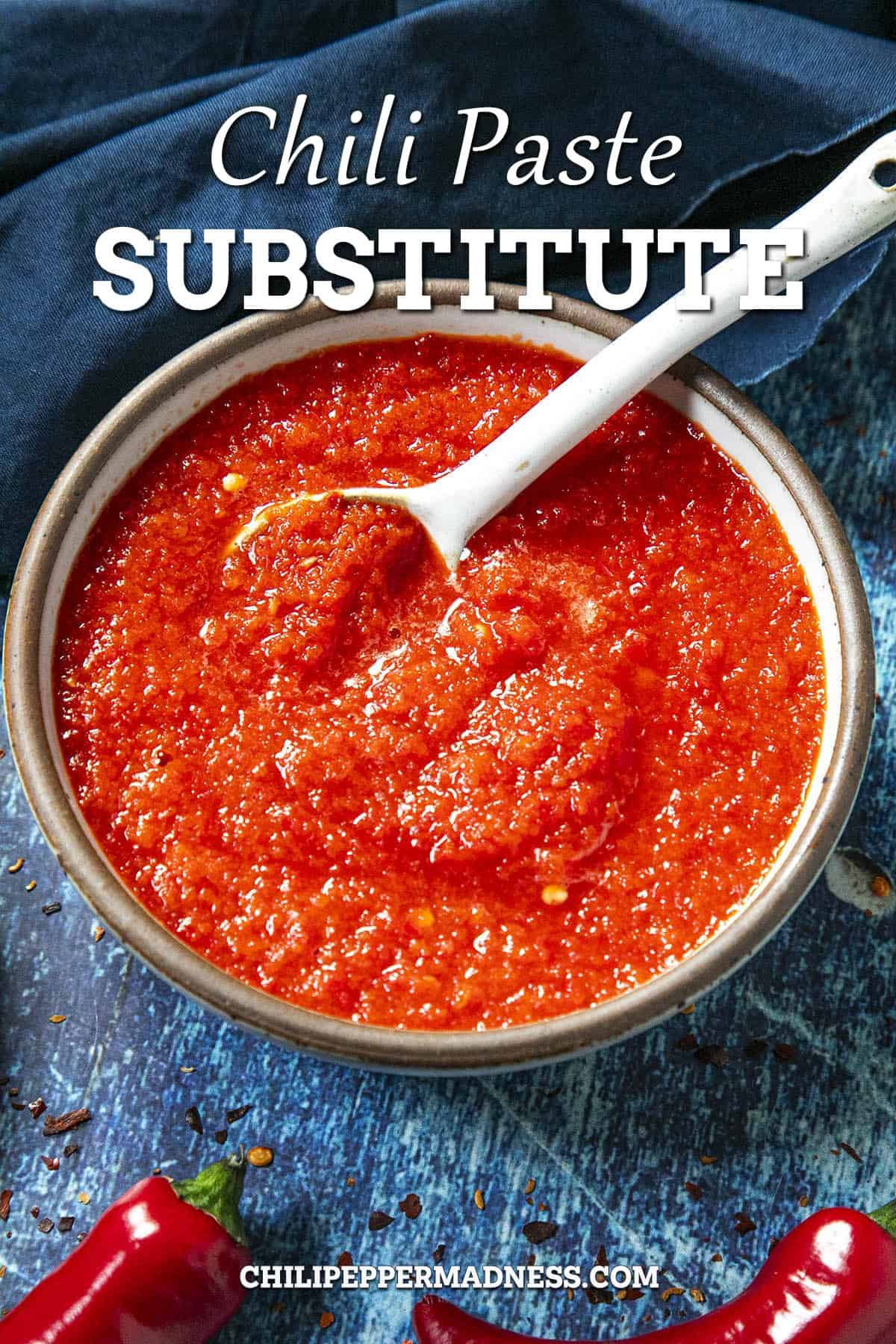
Chili Paste Substitute
-
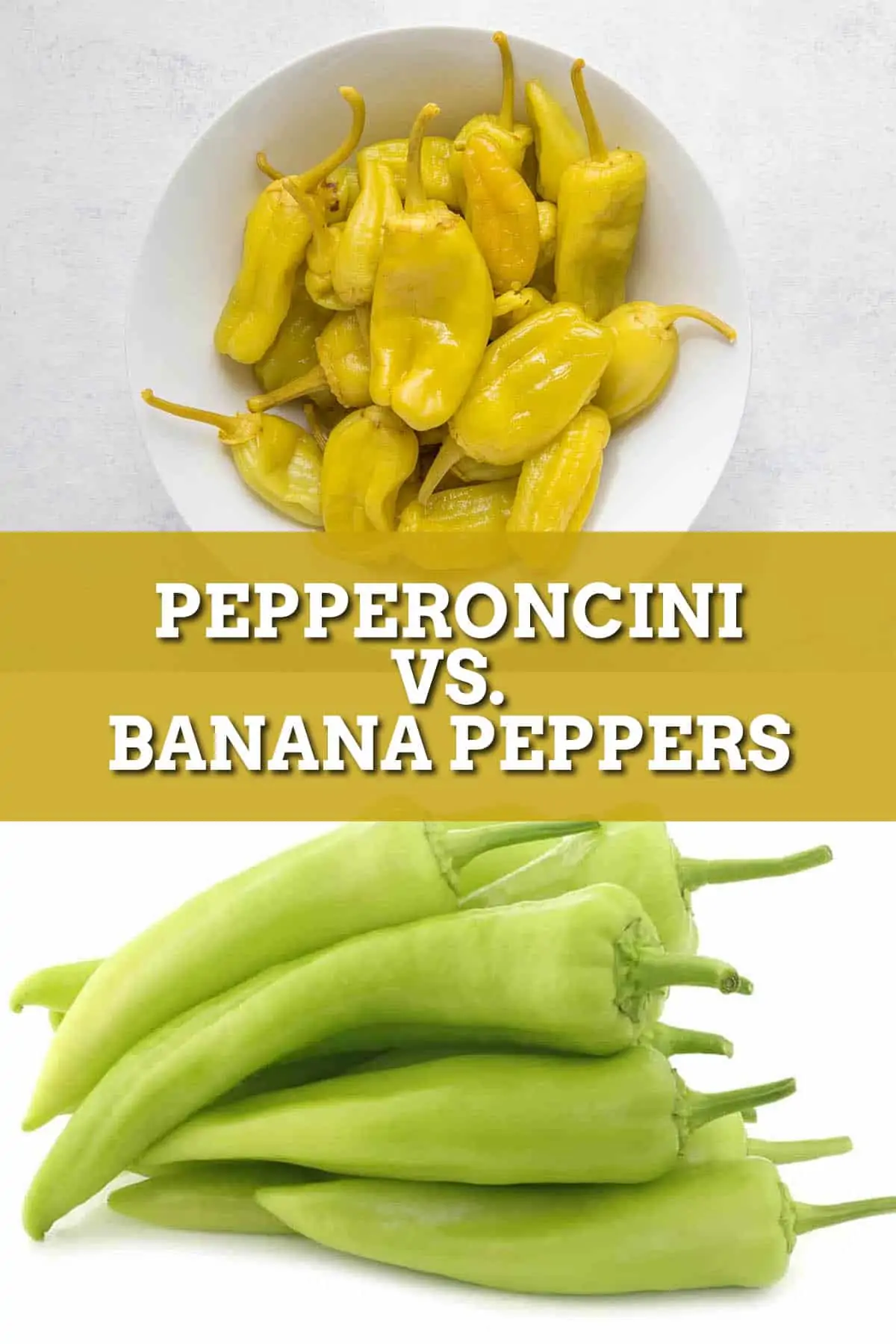
Pepperoncini Vs. Banana Pepper: a Comparison
-
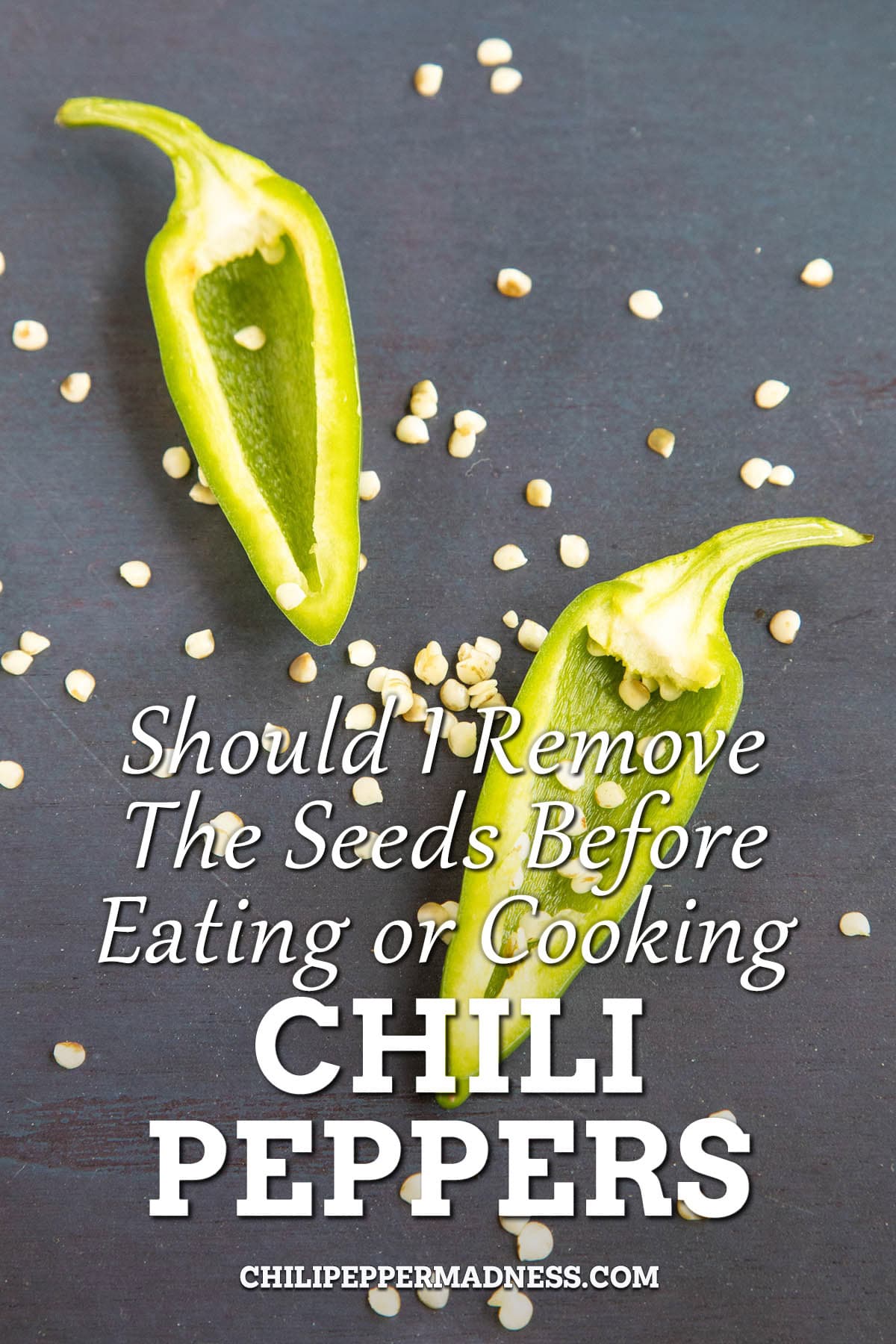
Should I Remove the Seeds Before Eating or Cooking with Chili Peppers?
-
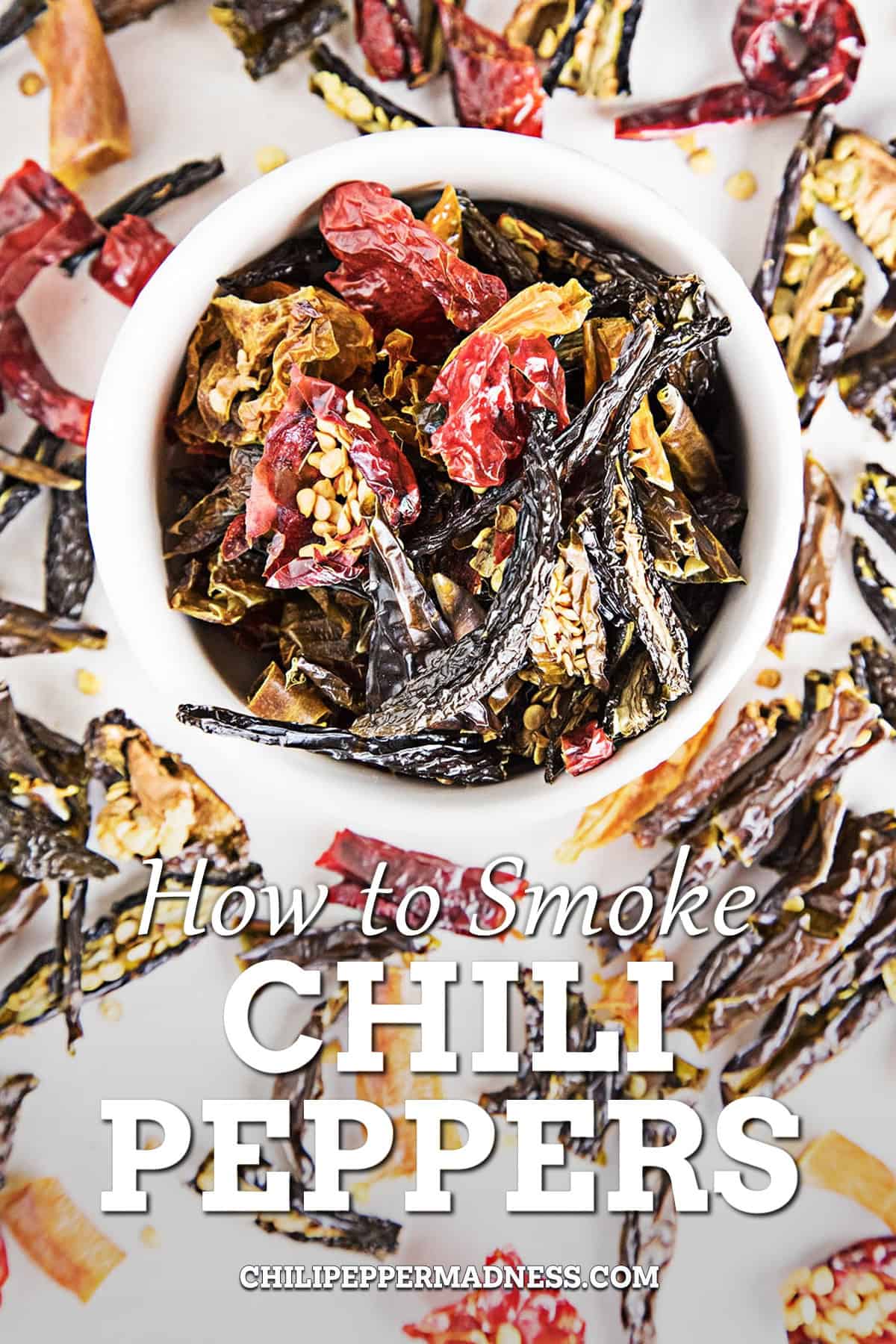
How to Smoke Chili Peppers
-
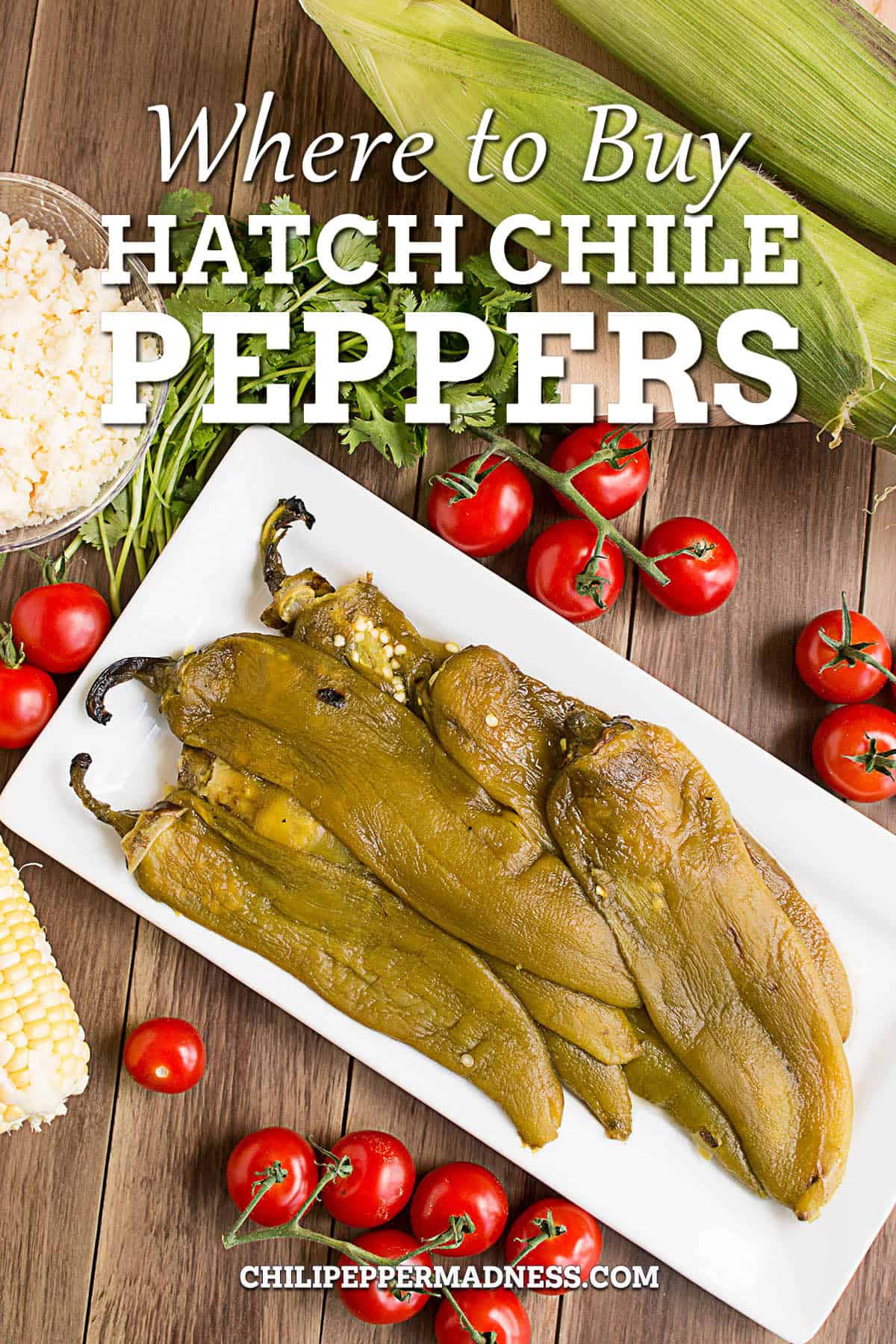
Where to Buy Hatch Chile Peppers?
-
Freezing Stuffed Peppers
-
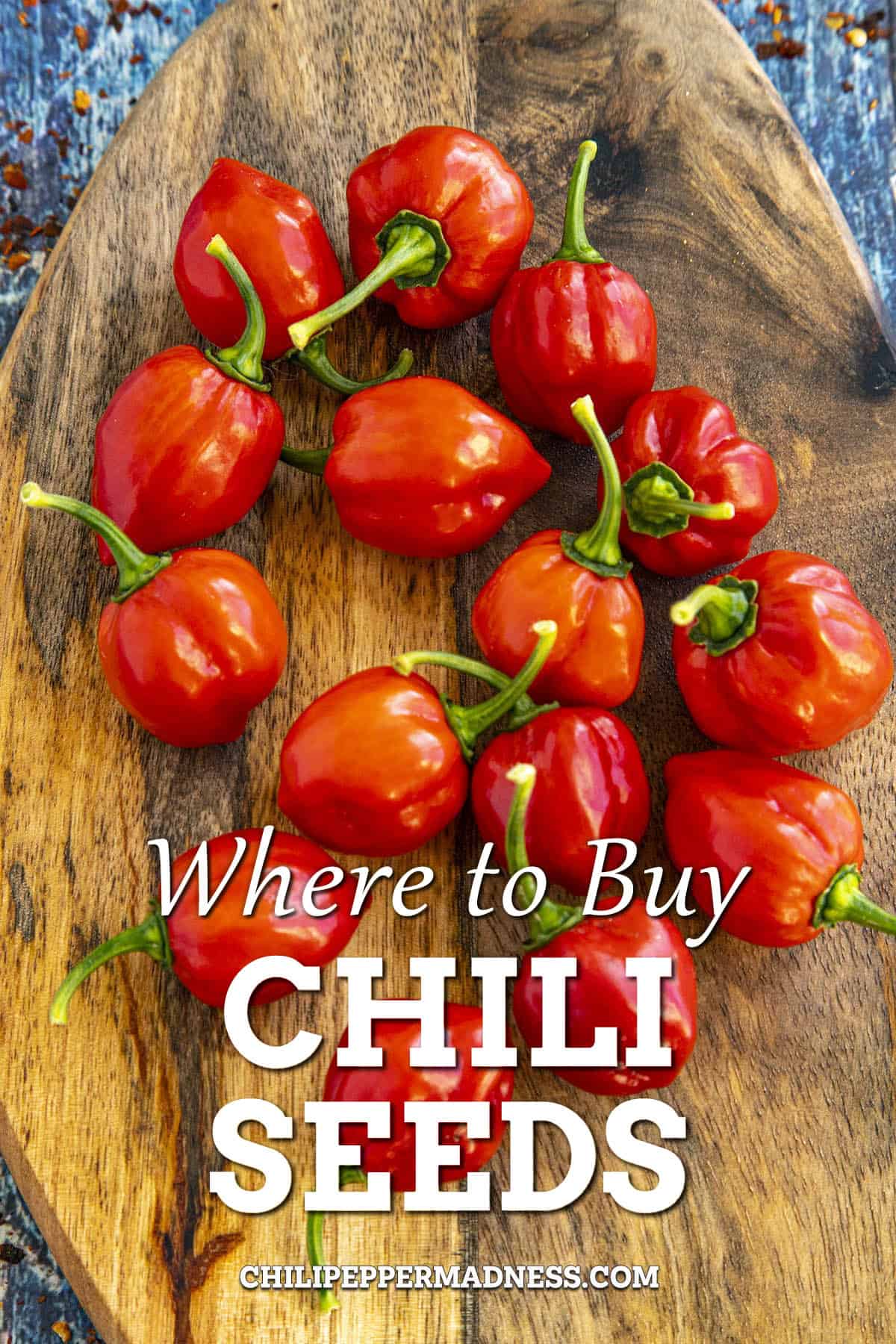
Where to Buy Chili Seeds
-
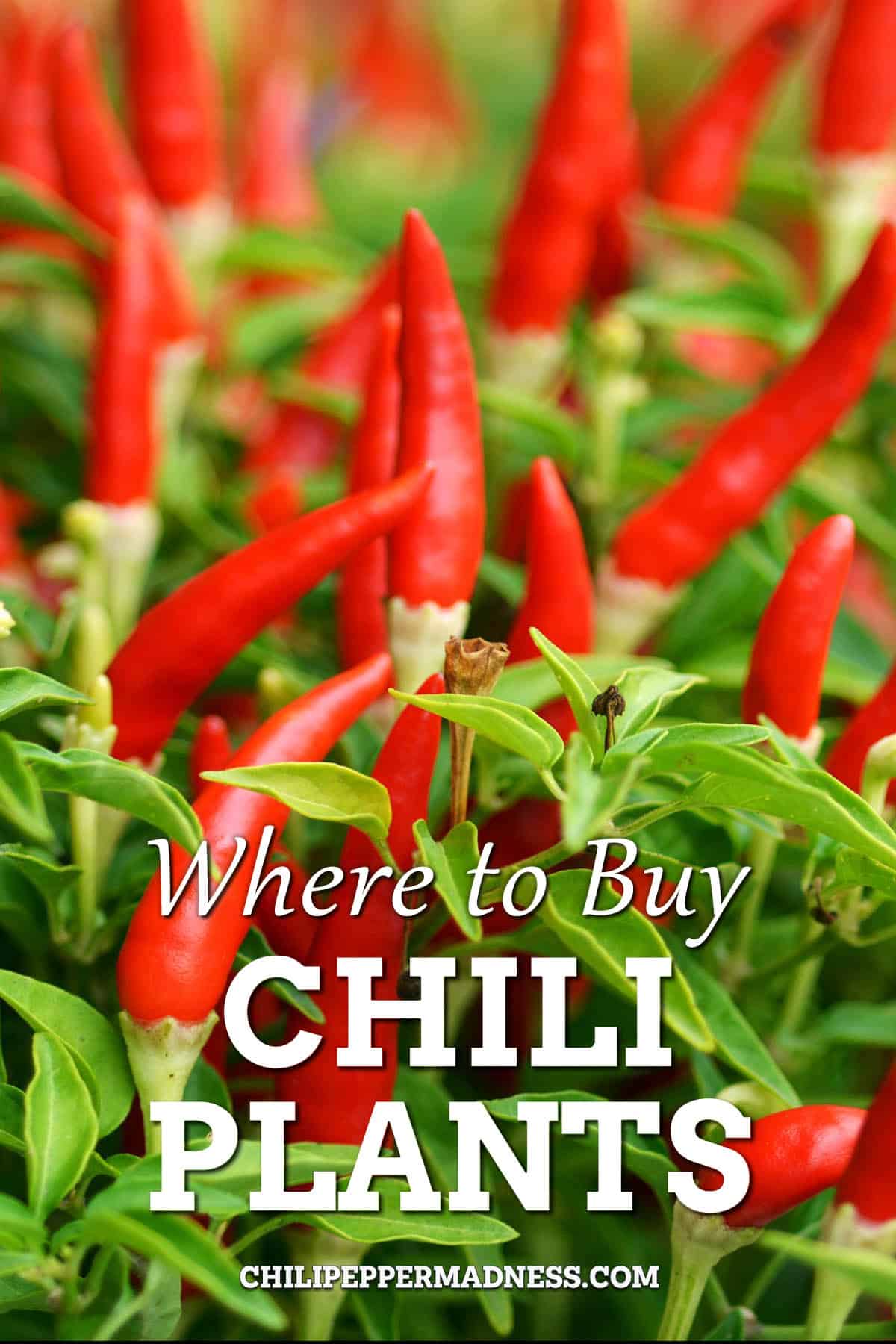
Where to Buy Chili Plants
-
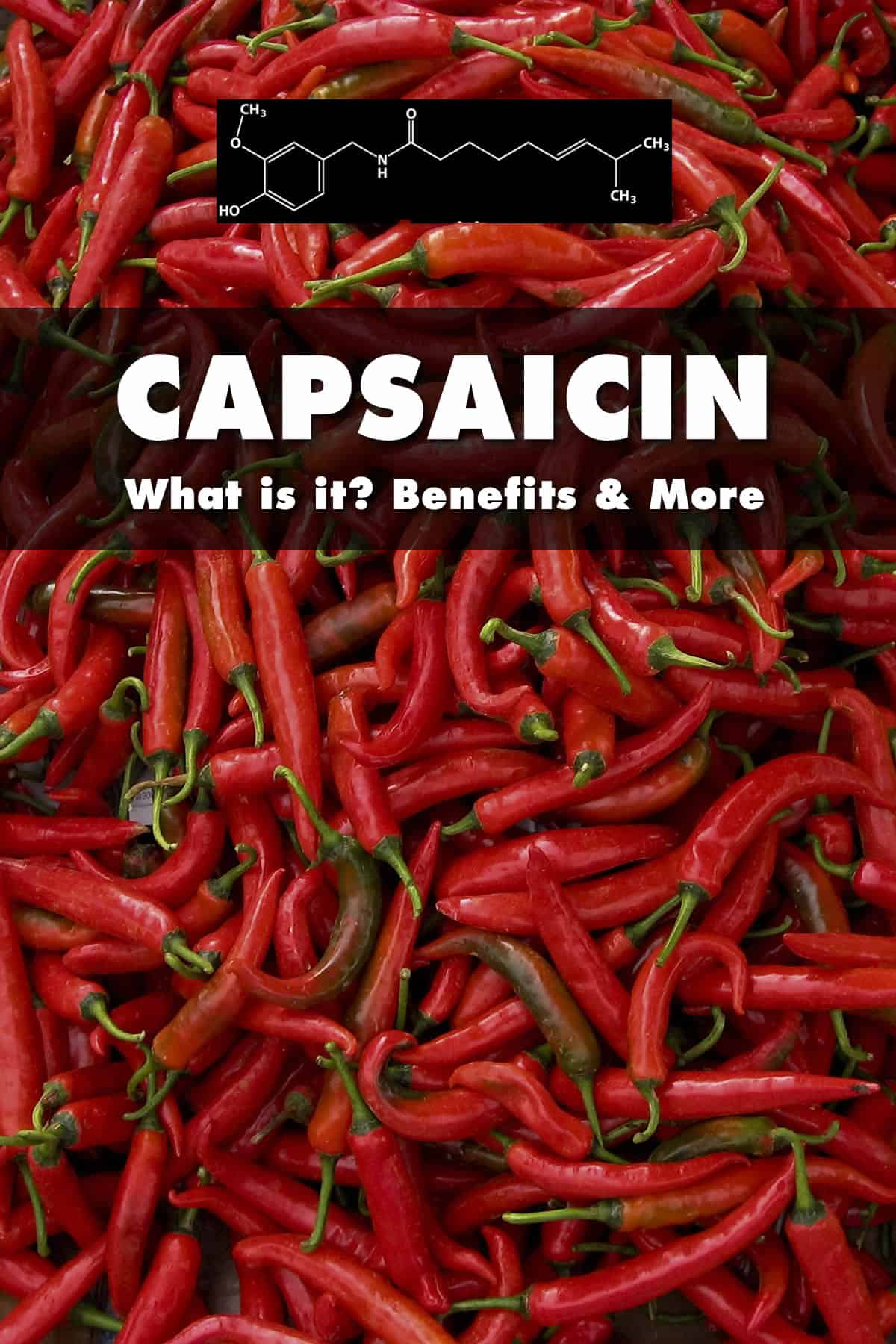
What is Capsaicin? Heat Level, Health Benefits and More
-
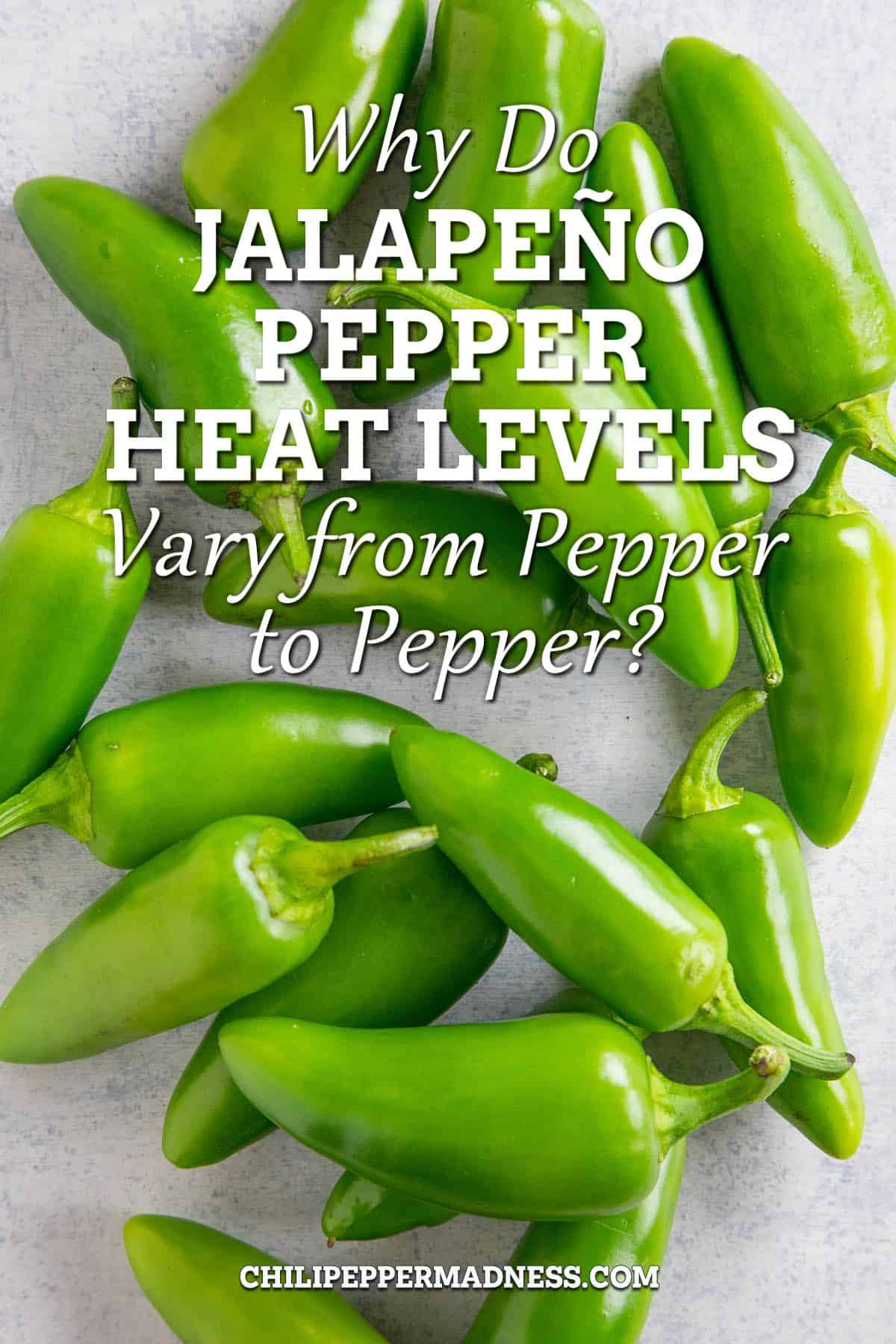
Why Do Jalapeno Pepper Heat Levels Vary from Pepper to Pepper?
-
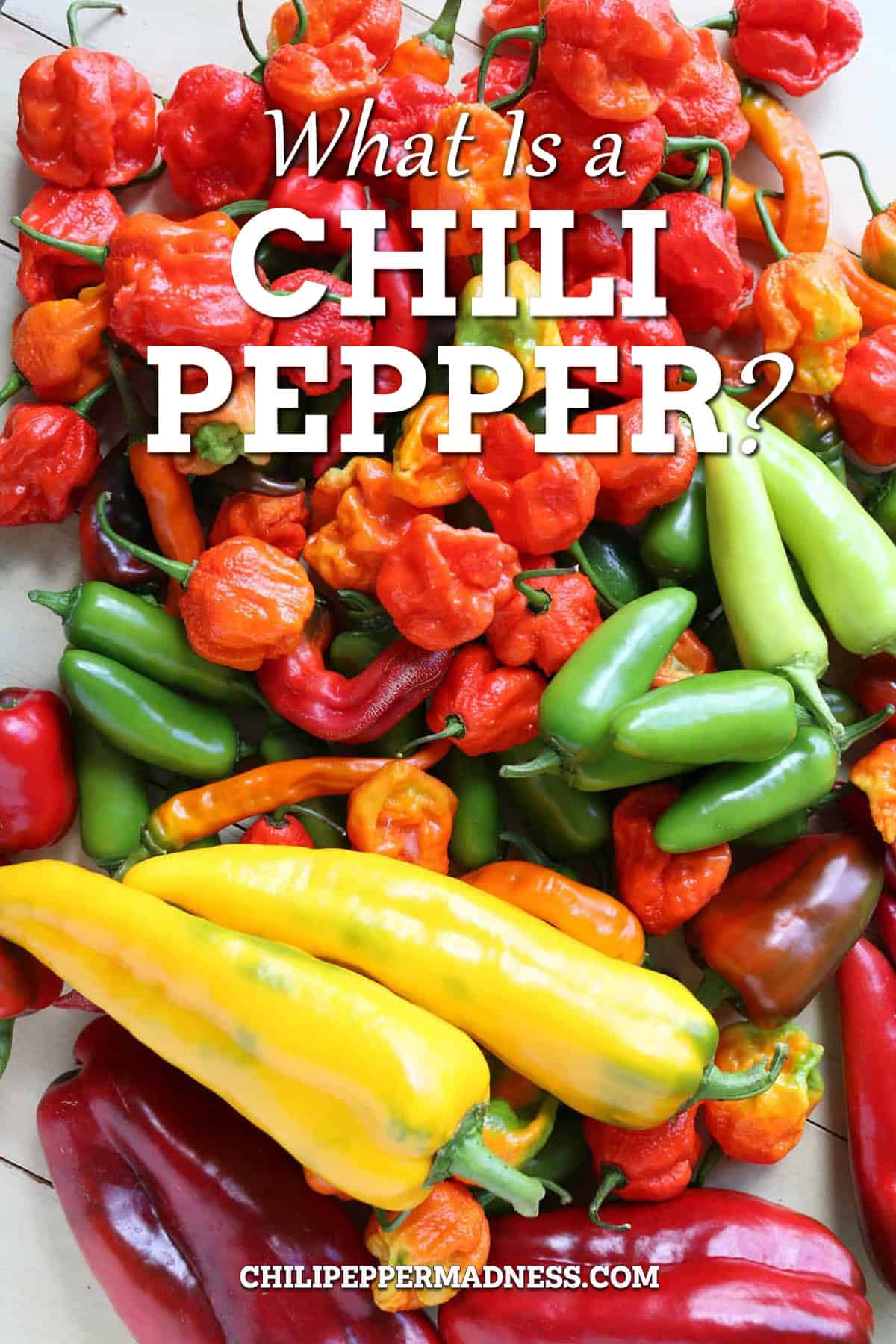
What is a Chili Pepper?
-
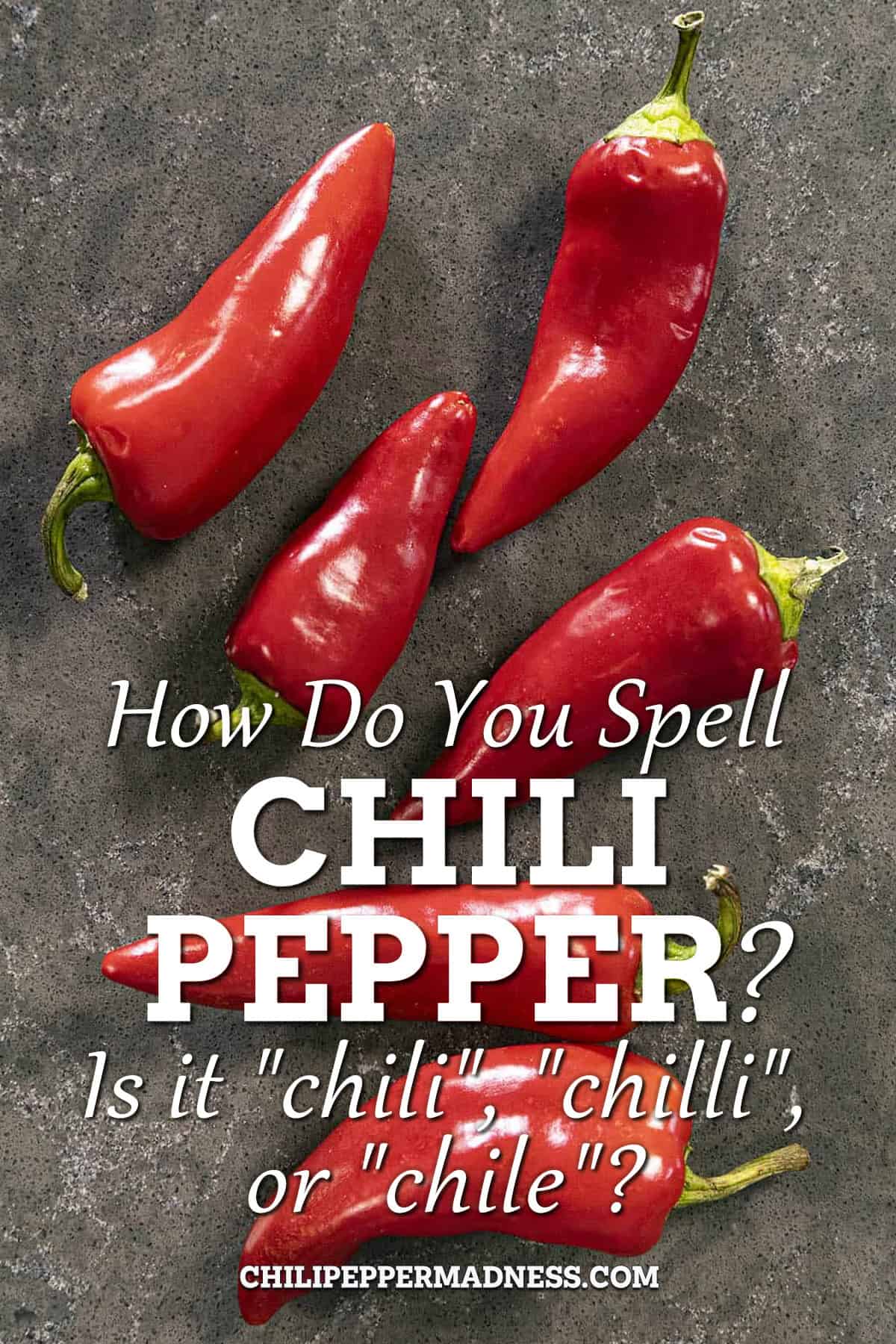
How do you spell chili pepper? Is it "chili", "chilli", or "chile"?
-
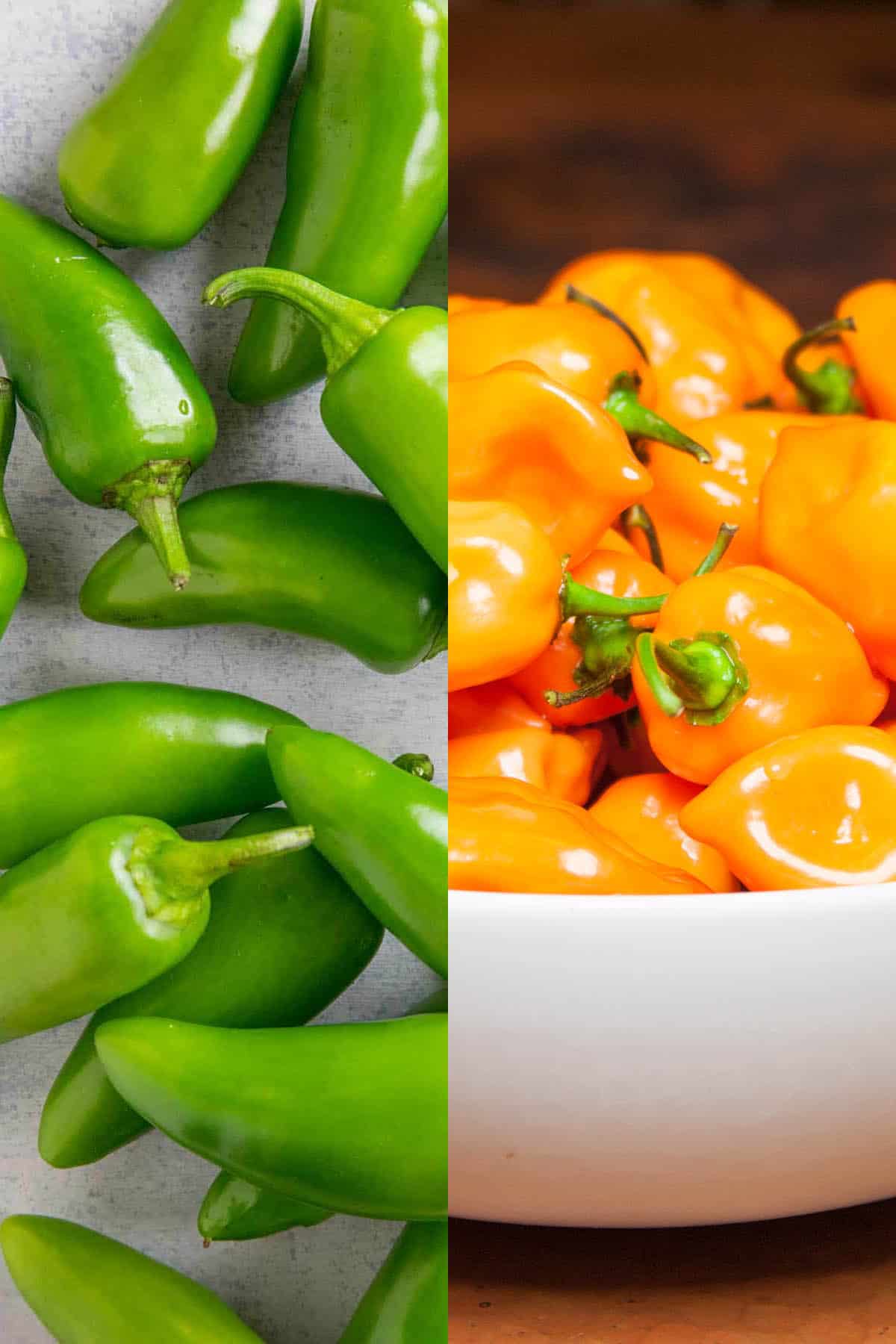
The Jalapeno Pepper vs. the Habanero Pepper
-
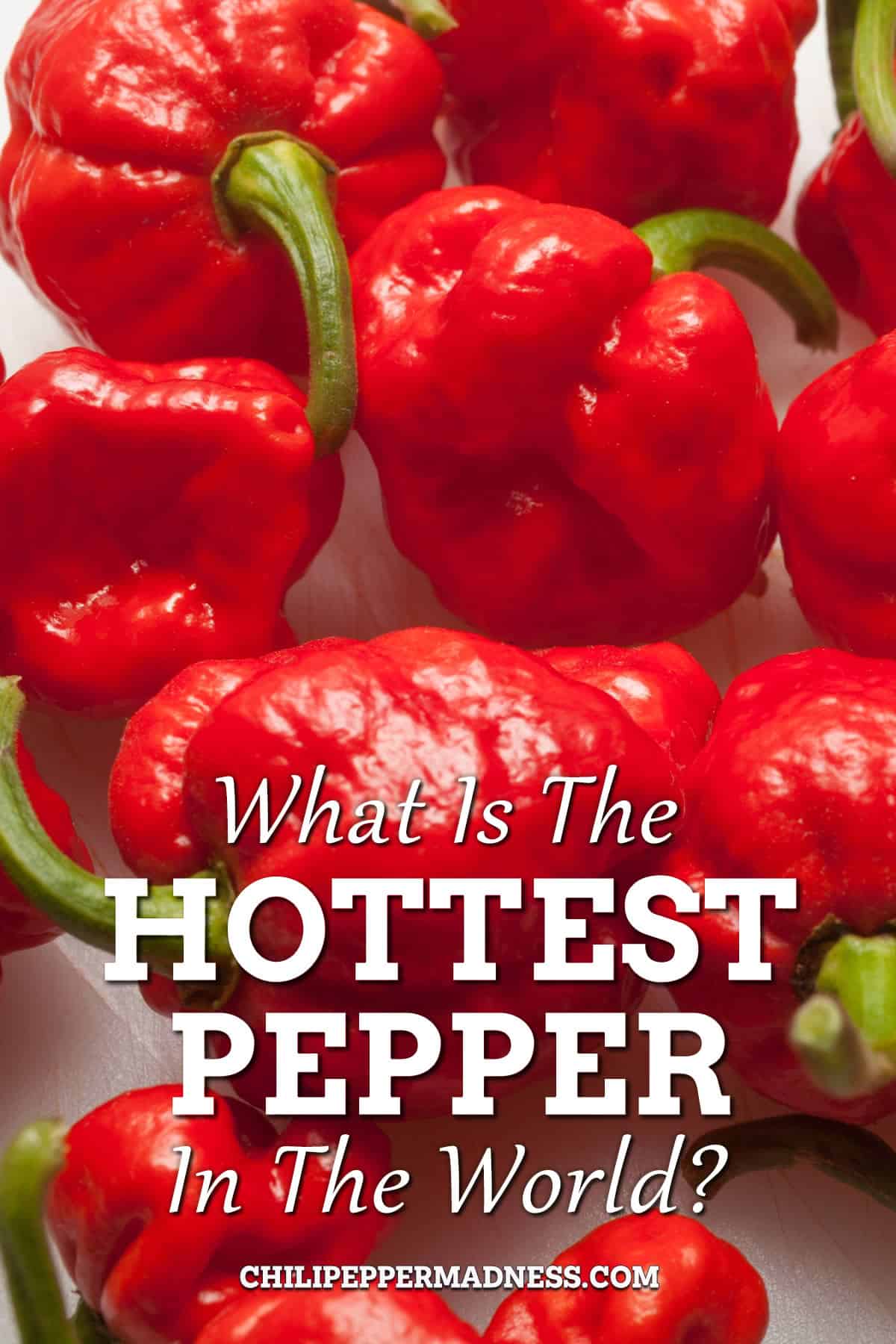
What is the Hottest Pepper in the World?
-
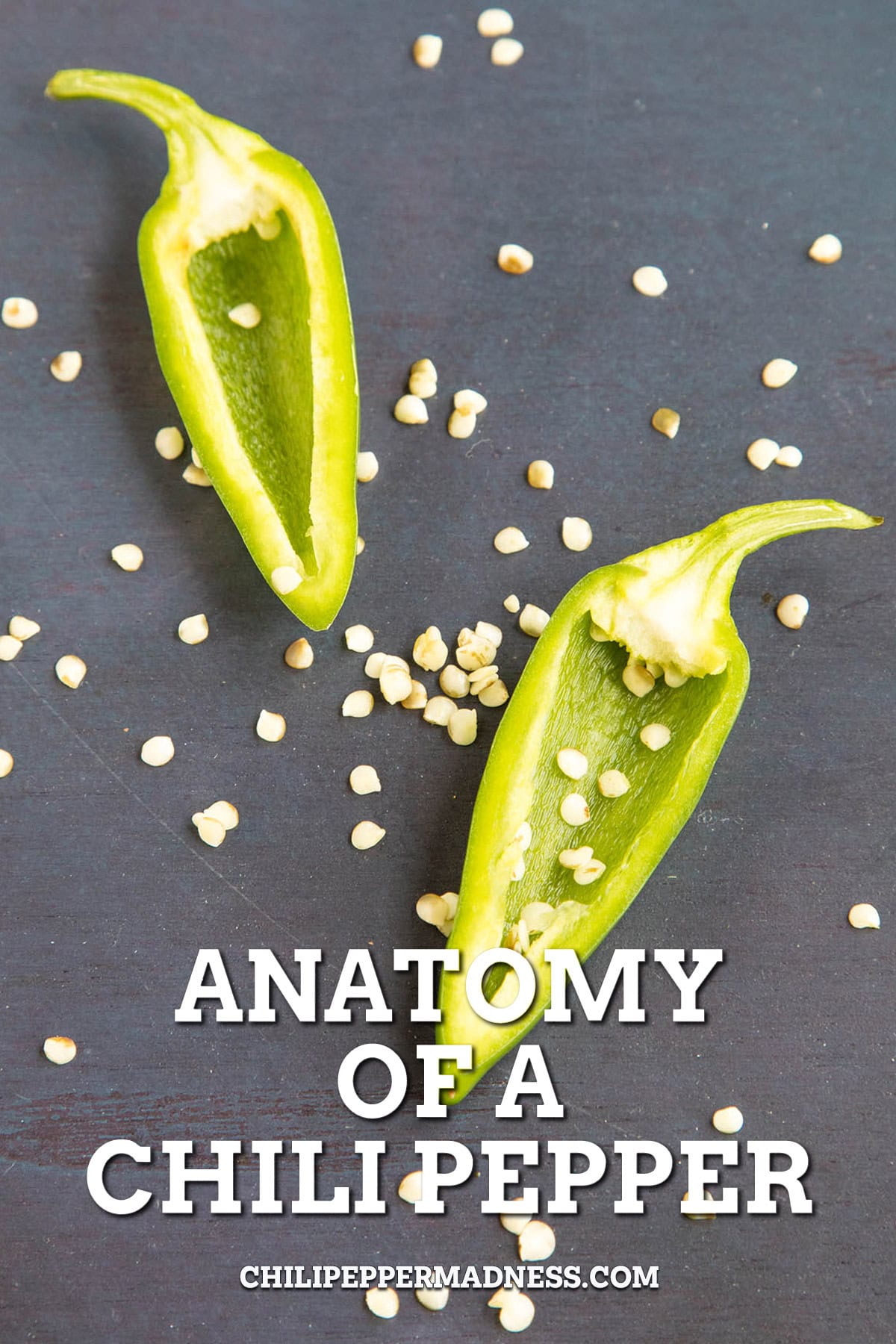
Anatomy of a Chili Pepper
-
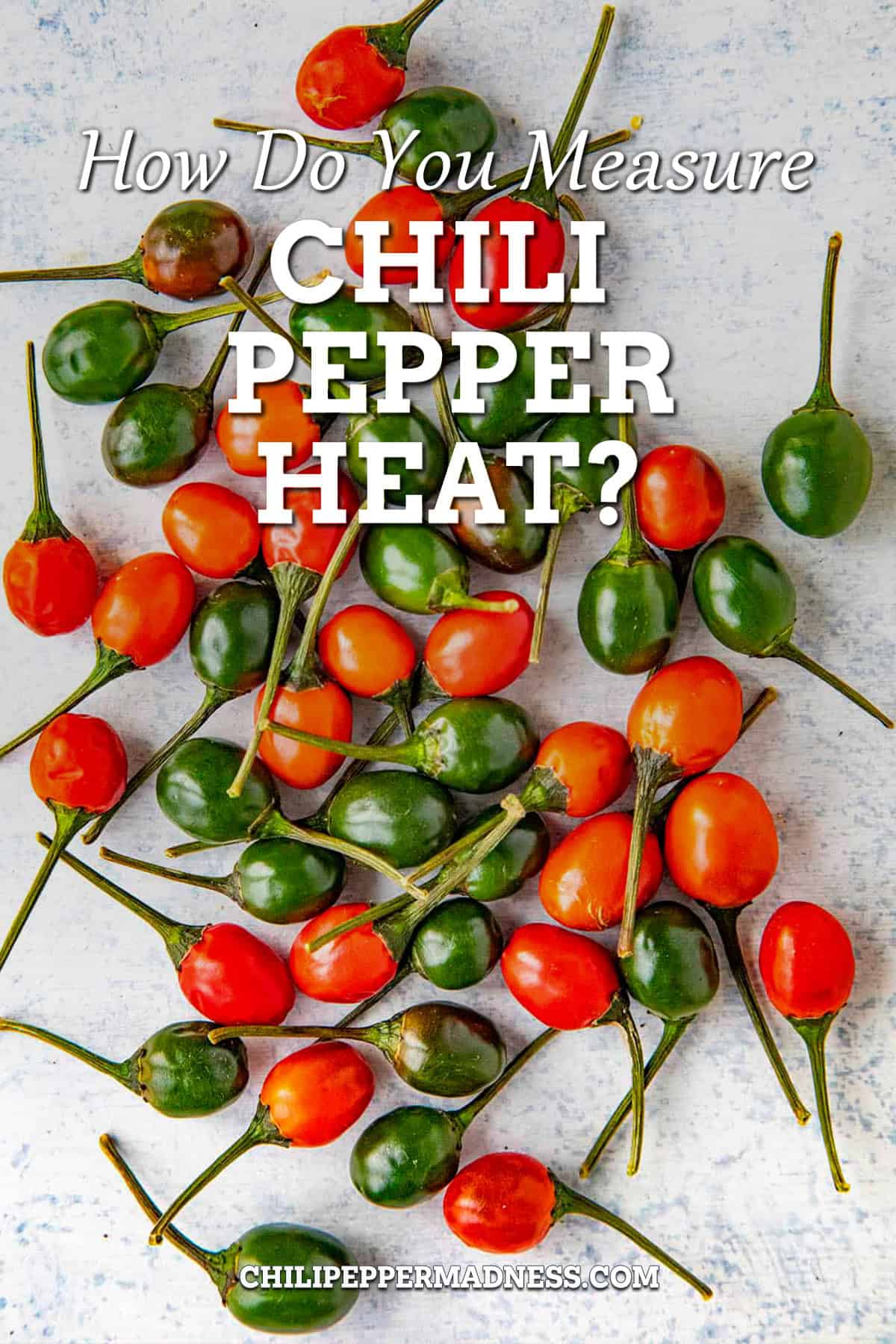
How Do You Measure Chili Pepper Heat?
-
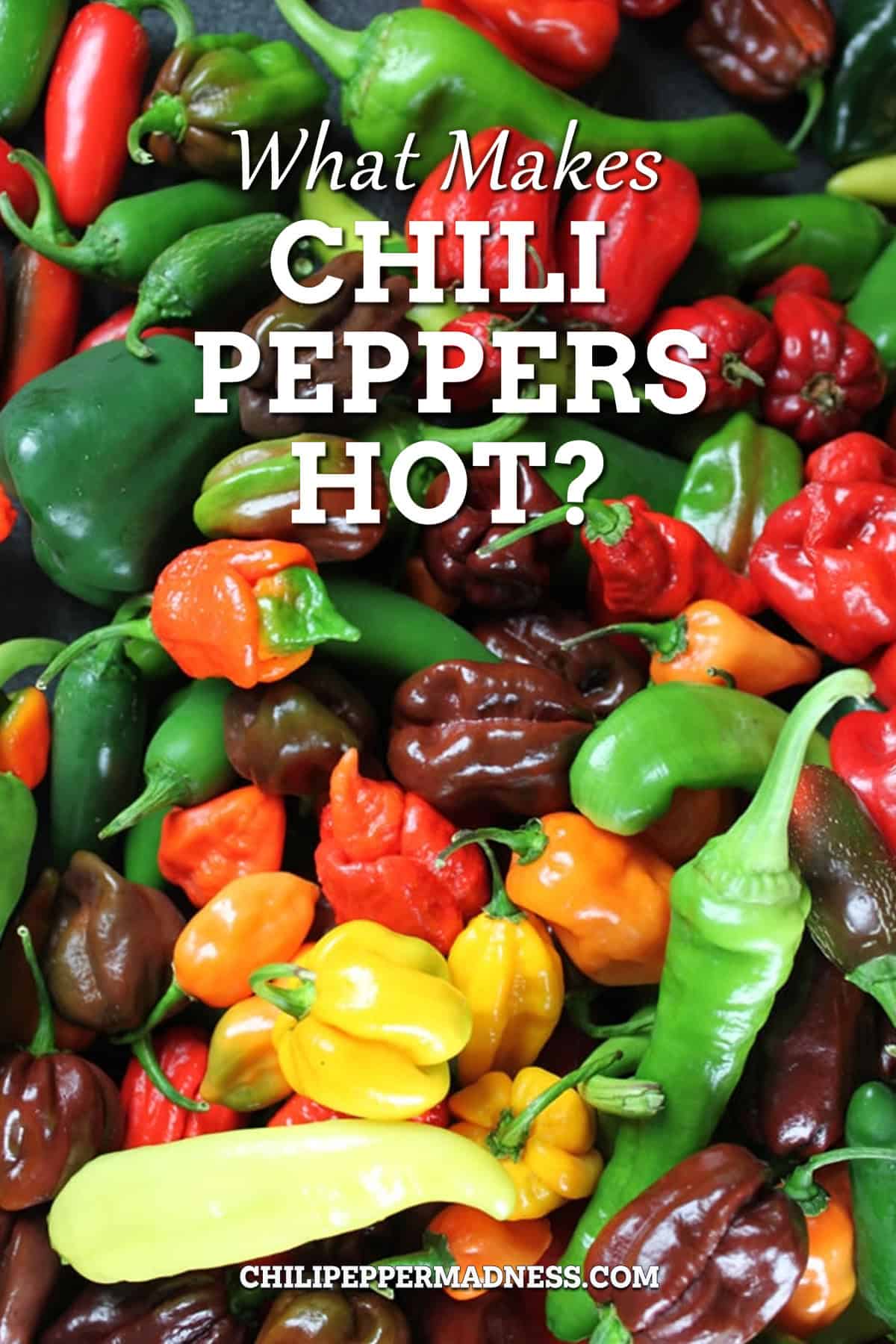
What Makes Chili Peppers Hot?